Montessori at Home: Simple Ways to Bring Montessori Learning into Your Family Life
Montessori at Home: Simple Ways to Bring the Montessori Method into Everyday Family Life
Families are often drawn to Montessori because it feels like more than an educational approach . . . it feels like a way of life. Montessori at home is about creating spaces and moments that nurture curiosity, independence, and joy in learning.
You don’t need special materials or elaborate lessons. The heart of Montessori begins with how we see and support our children every day.
Why Montessori at Home Matters
Montessori education is built on the belief that children are capable, curious, and driven by an inner desire to learn. The goal isn’t to fill a child with information but to awaken their natural love of discovery.
At
Sandwich Montessori School, we see this every day. When children take ownership of their learning, they grow in confidence and responsibility. They move with purpose, care for their environment, and approach challenges with calm persistence.
These same values can thrive at home. With small shifts in how we prepare spaces and approach routines, families can bring the same sense of peace and purpose into daily life. Montessori at home isn’t about recreating the classroom . . . t’s about embracing a mindset that values independence, respect, and meaningful connection.
The Montessori Philosophy at Home
At its core, Montessori is about learning by doing. It’s about respecting each child’s natural pace and helping them build independence through real work and real choices.
When we invite children into daily life, pouring their own water, choosing their clothes, setting the table, they are not just helping. They are developing coordination, focus, and confidence. Every small act of independence says, “You are capable, and your contribution matters.”
In Montessori classrooms, we prepare the environment carefully so that children can act independently. The same principle applies at home. Parents can ask:
Does my child have the freedom to do things for themselves?
Even simple adjustments like a stool at the sink, a reachable hook for coats, or a basket for shoes, help children feel empowered.
When children are trusted with responsibility, they rise to it. A three-year-old who pours their own juice, a six-year-old who folds towels, or an older child who plans a family meal . . . each is developing self-reliance and a sense of belonging.
How to Start Montessori at Home
Getting started doesn’t require a full redesign. It begins with observation and intention. Take a walk through your home from your child’s eye level and ask what they can reach, touch, and care for on their own.
1. Prepare the environment. Choose child-accessible shelves, simple trays, and calm spaces with limited distractions. A clutter-free environment helps children focus and encourages responsibility for their own belongings.
2. Use real materials. Wooden spoons, baskets, glass pitchers, and natural fabrics connect children to the sensory world around them. Real tools show respect for the child’s capability and help them build coordination and care.
3. Follow a guided routine, not a rigid schedule. Montessori homes balance work, play, and rest. Predictable sequences help children feel secure, but flexibility leaves room for curiosity. A morning might flow from breakfast to outdoor time to quiet work, not because of a clock but because of a familiar routine.
4. Start small. Begin with one shelf or one daily routine. Change takes root through consistency, not complexity.
Our teachers often remind families that growth happens one small act at a time. The same is true for Montessori at home. Each moment of independence strengthens the foundation for lifelong learning.
Montessori Activities You Can Try
Montessori activities are not meant to entertain children but to engage their curiosity and concentration. These ideas can be adapted for any home and adjusted to your child’s level.
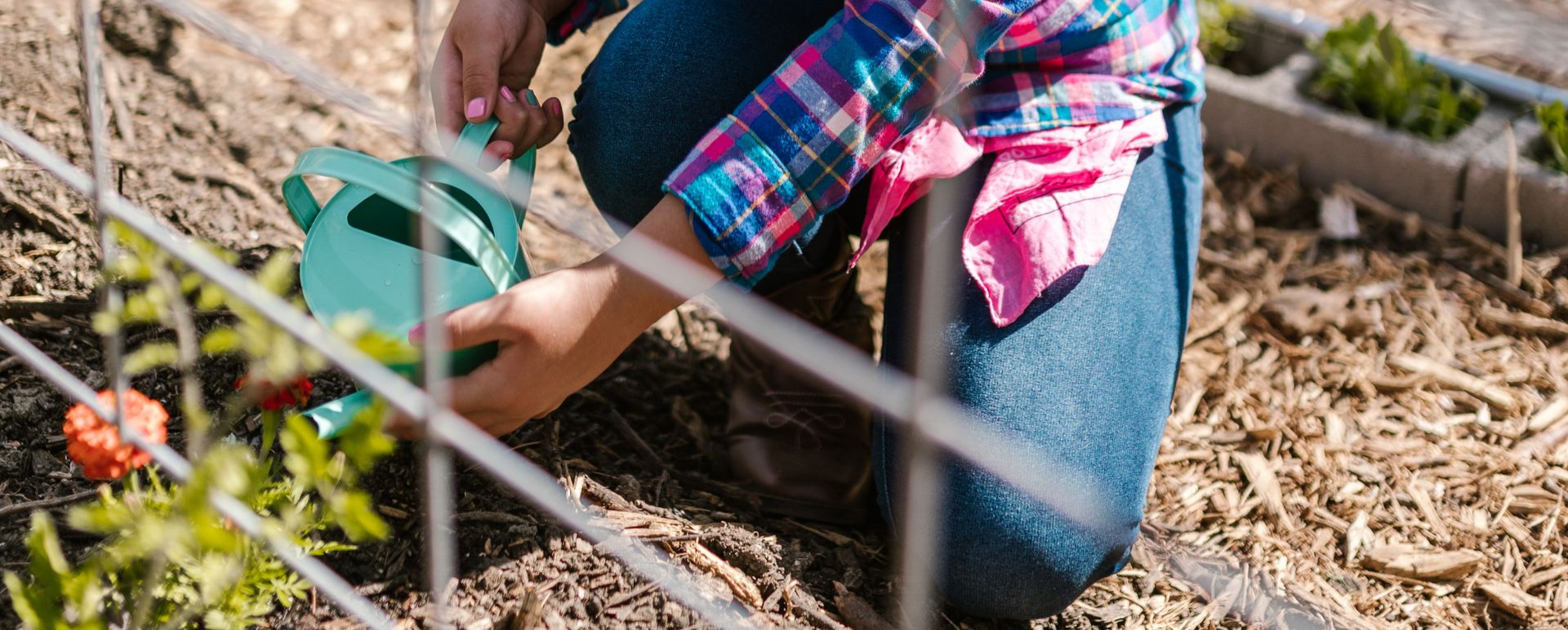
- Toddlers: Pouring water, sorting socks, spooning beans, sweeping, and watering plants. These practical life tasks build coordination and confidence.
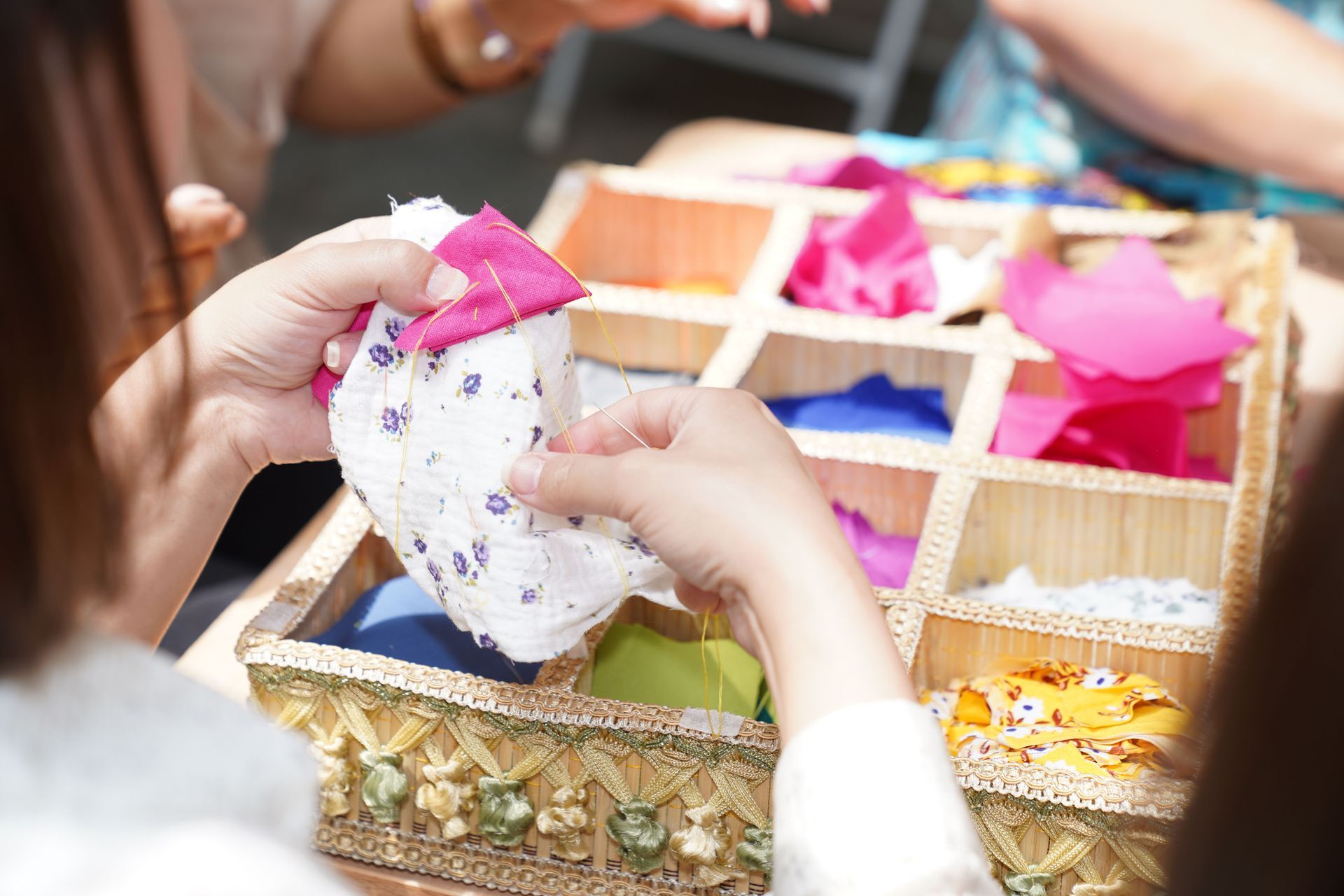
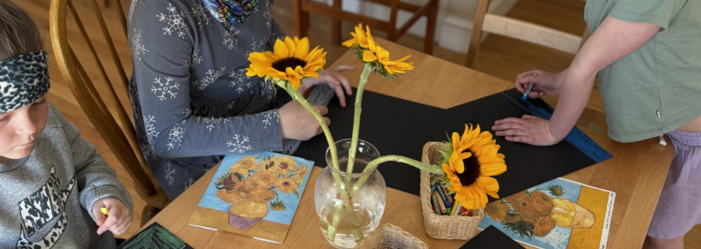
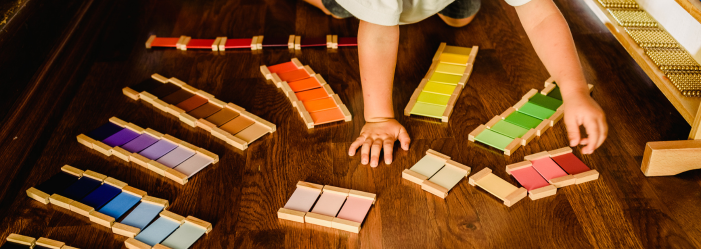
- Preschool and Kindergarten: Matching fabrics, sequencing picture cards, or exploring nature through smell and touch. Sensorial activities like these refine perception and encourage language development.
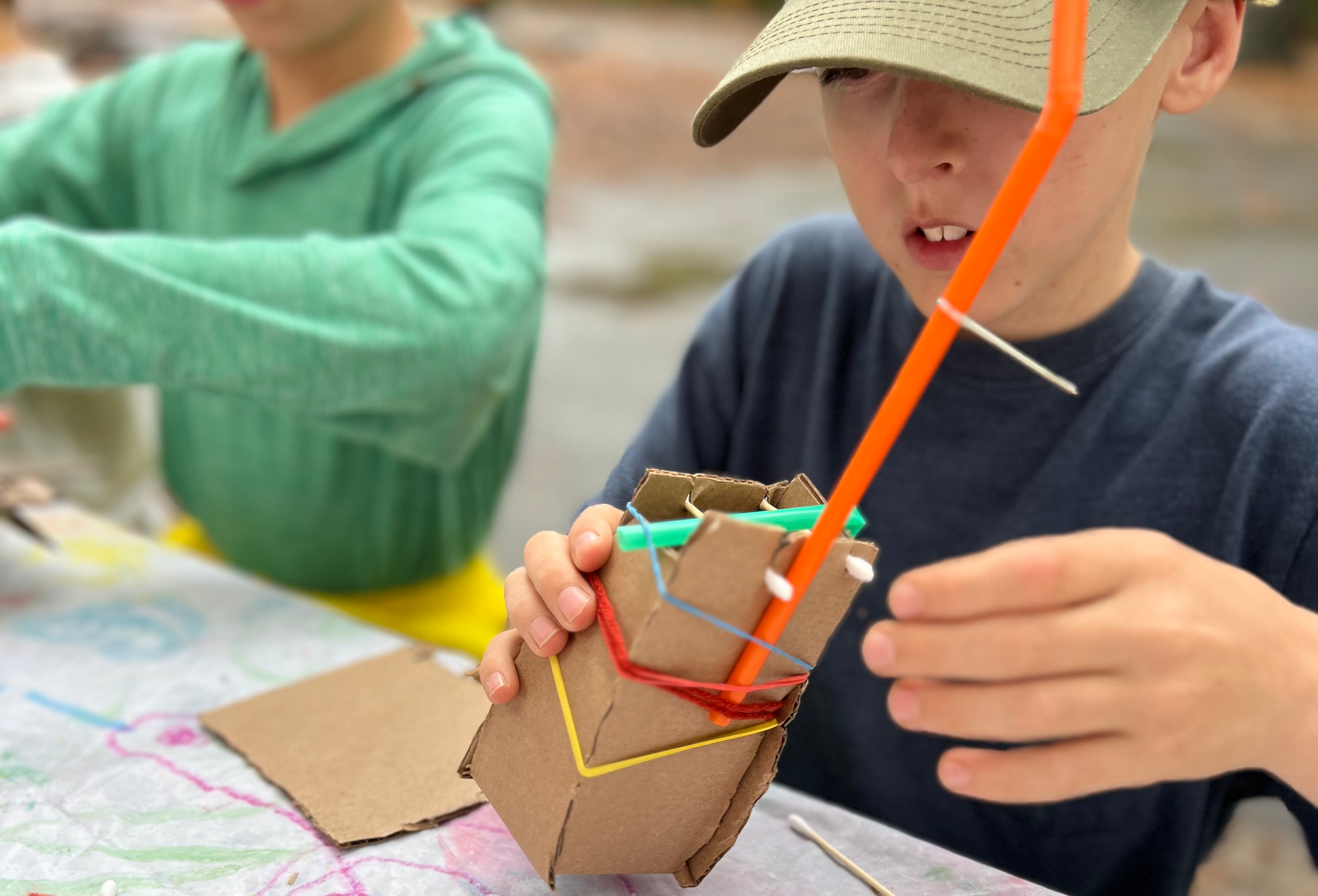
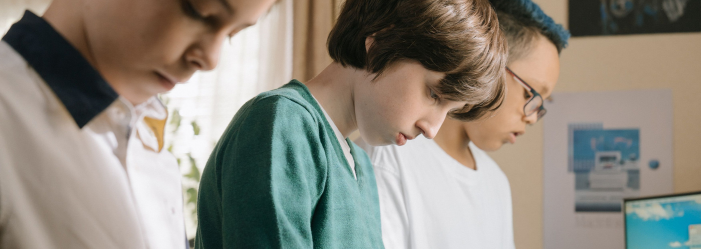
- Elementary: Journaling, measuring ingredients for a recipe, planning a garden, or studying local ecosystems. Older children thrive when learning connects to real-world purpose. Project-based learning like designing a simple machine or keeping a nature journal honors their curiosity and independence.
Each of these activities connects to the same goal: helping children discover joy through effort and experience.
Setting Up a Montessori Home Environment
A Montessori home feels calm, ordered, and welcoming and it’s not minimalist for appearance’s sake, but for clarity. Fewer materials mean more focus and deeper engagement.
Design elements to consider:
- Calm, neutral colors that promote a sense of peace.
- Open shelving that invites independence.
- Child-sized furniture that communicates belonging.
- Natural light and simple decor that reflect beauty without clutter.
Rotating materials is key. When only a few choices are visible, children can make decisions more confidently. This rotation keeps learning fresh and supports concentration.
A Montessori home feels alive with quiet purpose . You’ll notice the hum of activity, small voices in conversation, and a child’s pride after completing a task. Order and calm aren’t about perfection, they’re about respect for the child’s need to think, move, and grow freely.
Continuing the Montessori Journey at Home and Beyond
Families who begin practicing Montessori at home often find that it changes more than the environment. It transforms the relationship between parent and child. There is more collaboration, more patience, and more understanding of each child’s individuality.
To deepen your practice, explore trusted resources like How to Raise an Amazing Child by Tim Seldin, or Montessori from the Start by Paula Polk Lillard. Look for Montessori-inspired blogs, local parent groups, or workshops offered through Sandwich Montessori School. These connections provide inspiration and community support.
And remember . . . you don’t need to be perfect. Montessori at home is not about following rules, but about building awareness. Progress happens when curiosity replaces pressure and connection replaces control.
The Big Picture
At its heart, Montessori at home is about independence, order, respect, and connection. It’s not about materials or methods, it’s about a mindset to support your child’s independence with meaningful guidance and limits that allow for choice.
When we prepare the home as carefully as we prepare the classroom, we give children a space that honors their growth. Every moment becomes an opportunity for learning and belonging.
At Sandwich Montessori School, we believe that the
Montessori journey begins long before the classroom and continues long after it. Every family can bring these principles to life in their own way . . . one small, intentional change at a time.
Learn more about our Elementary Program →
Here
Learn more ways to practice Montessori at Home →
Here