A Montessori Guide to Choosing Holiday Gifts: Simple, Meaningful Montessori Gifts for Every Age
A Montessori Guide to Choosing Holiday Gifts: Simple, Meaningful Montessori Gifts for Every Age

The holidays often bring toy catalogs, flashing sales, and endless lists, but what if choosing gifts could be simpler, calmer, and more meaningful? Montessori gifts are rooted in connection and purpose and invite children to explore, create, and grow through hands-on learning. Grounded in the idea that children learn best through independence and real experiences, these gifts nurture curiosity and focus rather than overwhelm.
This guide offers practical tips on how to choose Montessori-inspired gifts and shares age-based examples to help make holiday shopping thoughtful and joyful.
If you want an easy way to use everything in this post, we created a
Montessori Holiday Gift-Finding Quiz and Gift Planner Guide that puts all the ideas in one place, download it at the end of this post.
What Makes a Gift “Montessori”?
Montessori gifts tend to be simple, beautiful, and purposeful. They encourage independence and hands-on exploration while offering children the chance to engage fully with their senses. Many are made from natural materials like wood, metal, cotton, or wool.
In Montessori, we say “play is the work of the child,” meaning toys should invite concentration and creativity rather than passive entertainment. Something as ordinary as a child-sized broom teaches coordination, responsibility, and confidence while still feeling fun and empowering.
The Montessori Development Snapshot (Birth to 12 Years)
Your guide, by stages, to what children are working on and why certain gifts support that growth.
Montessori Gifts for Infants (0 - 12 Months)
Infants thrive on sensory exploration, grasping, and movement. Wooden rattles, grasping rings, simple mobiles, and soft floor mirrors encourage them to notice their bodies, build strength, and refine early coordination. Big work at this stage includes movement, sensory exploration, and grasping, making the best gift categories things like rattles, grasping rings, and mobiles.
Specific Examples:
- Wooden rattle (simple, easy to grasp)
- Interlocking wooden discs
- Black-and-white or high-contrast image cards
- Munari or Gobbi-style mobile
- Soft floor mirror for tummy time
- Small fabric or wooden grasping ring
Infant gifts that support object permanence, visual tracking, hand-to-hand transfer, and early motor planning help build the brain in ways that form the foundation for later cognitive development.
Toddlers (1 - 3 Years)
Toddlers are eager to do things for themselves, communicate, and move with purpose. Practical life tools like a tiny broom or watering can allow them to participate in real tasks alongside adults. Big work at this stage includes a language explosion, growing independence, and fine motor development, so the best gift categories are practical life tools, pouring work, and simple puzzles.
Specific Examples:
- Child-sized broom and dustpan set
- Small metal watering can and plant mister
- Pouring set with two small pitchers and a tray
- Wooden knobbed puzzles (shapes, animals, vehicles)
- Simple shape sorter or chunky pegboard
- Child-safe chopper or crinkle cutter for helping in the kitchen
These toddler brain benefits include strengthening executive functioning, preparing the hand for writing, building vocabulary and language, and supporting emotional regulation through purposeful movement.
Preschoolers (3–6 Years)
This age is full of imagination, problem-solving, and rapid fine motor development. Big work at this stage includes imagination, early literacy, and growing concentration, so the best gift categories are building sets, art materials, and bead-stringing.
Specific Examples:
- Wooden unit blocks or plank sets
- Connetix or similar magnetic tiles
- Lyra or Stockmar quality colored pencils or block crayons
- Bead-stringing set with wooden beads and laces
- Child-sized gardening tools and gloves
- Simple sewing cards or lacing cards
- Animal or nature figurines for storytelling and language work
Gifts at this age prepare preschool children for early math, early literacy, sequencing and logical thinking, creative expression, and concentration - making your gift choices developmental, not just seasonal.
Elementary (6–12 Years)
Older children crave real purpose and meaningful contribution. Big work at this stage includes reasoning, problem-solving, and real-world skills, so the best gift categories are strategy games, sewing kits, and science materials.
Specific Examples:
- Child-friendly strategy game (such as Qwirkle, Ticket to Ride: First Journey, or similar)
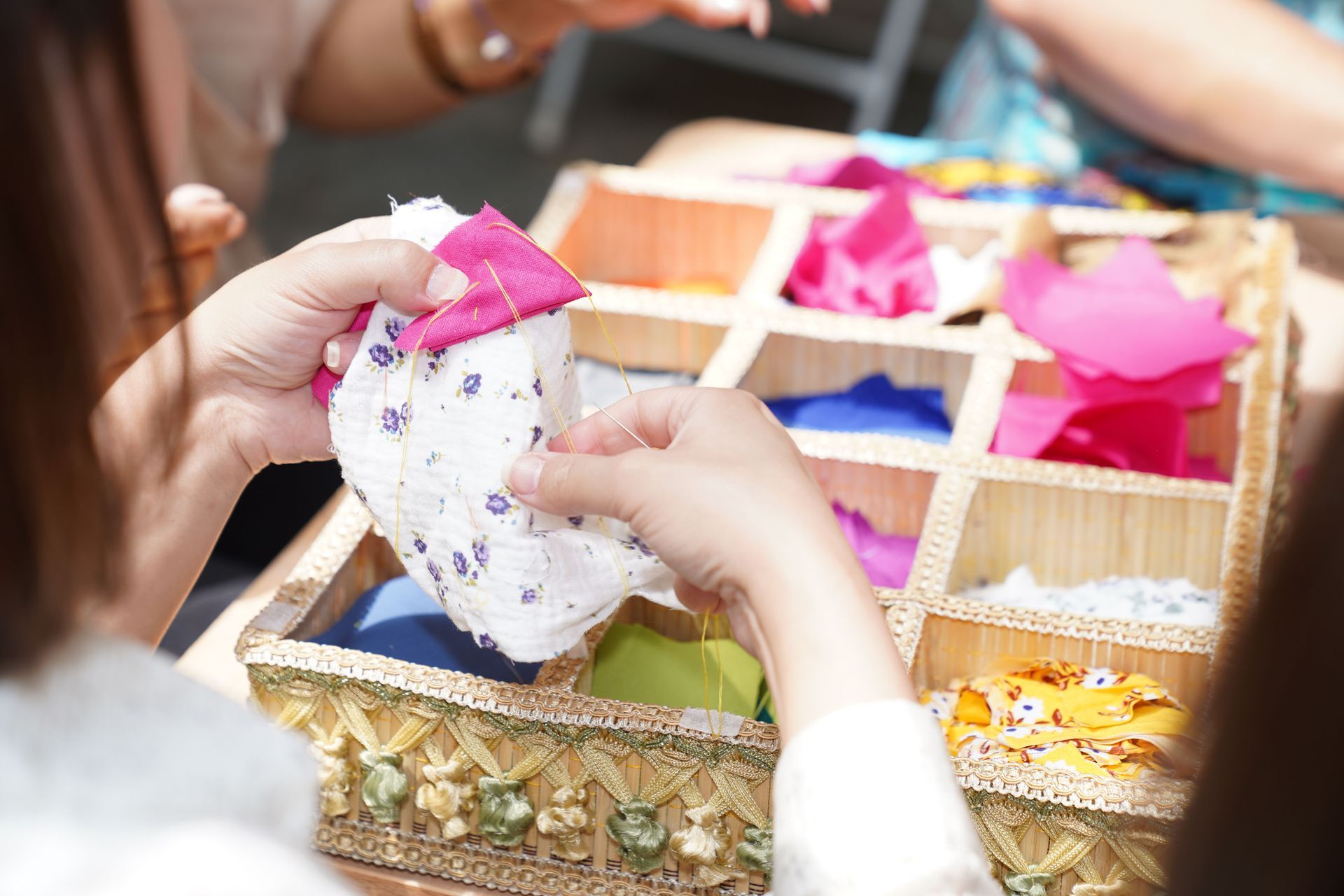
- Beginner sewing kit with real needles, fabric, and simple projects
- Snap Circuits–style electronics kit
- Nature journaling set (notebook, quality colored pencils, magnifying glass)
- Beginner microscope or handheld field microscope
- Cooking set with apron, real utensils, and a child-friendly cookbook
Gifts for this age support long-term planning, strategic thinking, scientific reasoning, creativity and innovation, and social-emotional responsibility.
With all of this in mind, gifting becomes a thoughtful developmental process rather than a seasonal scramble.
To make it even easier, we created a free Montessori Gift Planning Guide that helps you choose developmentally aligned gifts, support deeper concentration through play, and create a calmer home environment - download it below and use it all season long!
How to Choose Montessori-Inspired Gifts on Your Own
1. Look for Real, Functional Tools
Children naturally gravitate toward real tasks like cooking, gardening, and cleaning. When they’re offered real tools scaled to their size, such as a child-safe knife, a small whisk, a watering can, or a tiny broom, they build fine motor skills, confidence, and a sense of genuine competence.
Functional tools matter for brain development because they strengthen executive functioning (planning, sequencing, and self-regulation), fine motor skills linked to future writing, and a child’s growing independence and confidence - ultimately wiring the brain for real capability.
2. Choose Quality Over Quantity
A small number of well-made toys often supports deeper, more meaningful play than a room filled with loud or overly complex gadgets. Simplicity allows children to slow down, concentrate, and use their imagination in ways that battery-powered toys rarely can. When children have fewer, better materials, they’re more likely to engage deeply instead of flitting from one toy to the next. Depth builds concentration, imagination, and real learning.
3. Prioritize Open-Ended Play
Toys like blocks, wooden puzzles, art materials, and musical instruments grow with the child and offer endless possibilities. They encourage problem-solving, creativity, and independence because there’s no single “right” way to use them. Open-ended materials strengthen flexible thinking and creativity because they allow multiple outcomes. Children return to them again and again, each time discovering new challenges.
4. Follow the Child’s Interests
One of the core Montessori principles is “Follow the child.” When you observe what truly captivates your child - animals, building, movement, art, or nature, you can choose gifts that deepen those interests. When a child feels genuinely drawn to something, their focus lengthens naturally. Following interests increases engagement, motivation, and joy in learning.
The Montessori Gift Pattern
If you’re feeling overwhelmed or want a simple, balanced approach, the Montessori Gift Pattern helps you choose gifts based on development, not pressure, trends, or quantity. It ensures you support multiple areas of growth while keeping gifting calm and intentional.
Choose one item from each category:
A Practical Life Tool: helping with real work builds confidence and capability
- Child-safe knife, apple slicer, small broom and dustpan, watering can, child-sized apron
An Open-Ended Material: creativity and problem-solving grow when toys can be used in many ways
- Wooden blocks, magnetic tiles, play silks, loose parts (wooden rings, buttons, shells), simple peg people
A Movement Item: children learn through their bodies, and movement supports regulation and attention
- Balance board, stepping stones, jump rope, indoor play tunnel, kid-sized wheelbarrow
An Experience Gift: shared experiences create lasting memories and deeper connection
- Family baking day with a child-friendly cookbook, nature hike with a “field kit,” trip to a children’s museum, season pass to a local zoo or farm
A Contribution Gift (something the child can give away or make and give away): making or giving something fosters empathy, generosity, and belonging.
- Bookmark-making kit, simple baking set for making treats to share, handmade card-making supplies, seed packets the child can gift and plant with others
This pattern keeps the holidays meaningful without being excessive, while supporting your child as a whole person.
What to Do If Your Child Doesn’t Love Toys or Activities
One of the most common worries parents share is this:
“My child doesn’t really stay with toys. Will Montessori gifts even work for them?”
This is such an important question, and the answer is reassuring.
Concentration is not something children either “have” or “don’t have.” Just like walking, speaking, or reading, deep focus is a skill that
develops with practice, support, and the right environment.
Many children today have grown up in fast-paced, highly stimulating settings filled with background noise, screens, quick transitions, and toys that “perform” for them. These environments can make it harder for children to settle into deeper engagement, and Montessori gifts can actually help rebuild (and strengthen) those essential skills.
How to Support Concentration During the Holidays
Here’s how families can support concentration gently and effectively during the holidays.
1. Sit Side-by-Side at First
Children who haven’t developed strong concentration often need your calm presence as an anchor. You don’t need to entertain them, a quiet, steady presence is enough.
Try:
- Placing the material on a tray
- Sitting next to your child
- Demonstrating one slow step
- Then pausing and inviting them in
This models how to begin without pressure or overwhelm.
2. “Side-by-Side Work” Builds Focus
One of the most powerful Montessori tools is simply doing your own quiet work next to the child. Examples include stacking blocks slowly, sketching with watercolors, sorting buttons or shells, pouring water between two cups, and stringing a few beads onto a lace.
Your calm engagement helps your child feel safe enough to try. Some children will join immediately, and others will watch - both are forms of learning.
3. Keep Early Sessions Short (Think 60 Seconds!)
Children often need very short bursts of success before they can stay longer - for example, a child who engages for 30 seconds today may stay for 45 seconds next week and eventually for 2 minutes later on.
That is growth, and Montessori is all about noticing the tiny steps that build true independence.
4. Reduce Background Noise and Visual Clutter
Deep focus becomes easier when we create a calm environment. Try turning off the TV, lowering background music, clearing the table before presenting a gift, and offering just one material at a time.
A quiet environment supports a quiet mind.
5. Start With Activities That Match Your Child’s Energy
When children avoid sitting still, it doesn’t mean they aren’t ready to learn, it means they need the right kind of entry point.
High-energy children often thrive with gross motor gifts, balance boards, stepping stones, nature tools, and large-scale blocks. Sensory-seeking children tend to engage deeply with clay, water pouring, scooping work, sensory baskets, or finger painting and watercolor trays. Children who shy away from challenge benefit from starting with simple matching games, easy puzzles, sorting trays, and practical life tasks.
Success builds confidence, and confidence builds concentration.
6. Model Finishing a Task
You don’t need to do anything elaborate. Just model a beginning, middle, and end.
For example:
- Place the puzzle down
- Complete a simple section
- Return the pieces to the tray
This communicates to the child: “I can follow something through,” which is central to building executive functioning.
7. Protect Their Focus Once They Find It
The Montessori secret:
When a child is concentrating, do not interrupt.
Not even to compliment or encourage. Let them have the full, uninterrupted arc of focus. This alone strengthens their capacity for deep engagement over time.
8. Use Invitation Language (Not Pressure Language)
Swap phrases like:
- “Come play with this!”
- “Try this puzzle!”
For Montessori invitations:
- “I’ll be working with this, and you’re welcome to join me.”
- “I’m going to see what happens when I pour this water.”
- “I wonder where this piece fits.”
This opens a door without pushing them through it.
Children who struggle to stay with activities aren’t “behind”, they simply haven’t had enough practice with materials that invite real engagement. Montessori gifts become a gentle way to build attention, strengthen neural pathways for focus, support emotional regulation, develop perseverance, build confidence, and deepen a child’s ability to problem-solve.
Montessori gifts support children exactly where they are and encourage growth rather than rushing development. Every minute your child spends in quiet concentration becomes a gift that keeps growing long after the holidays.
How to Avoid Overstimulation
Overstimulating toys interrupt concentration and can create a cascade of challenges. They often contribute to shorter attention spans, increase the likelihood of sensory overload, and foster a reliance on adults for constant entertainment. Over time, these toys can also make transitions more frustrating for children, as their nervous systems become accustomed to high levels of stimulation rather than steady, focused engagement.
Montessori gifts avoid these challenges by offering simplicity, clarity, and opportunities for repetition. They create a sense of calm and invite deep engagement, allowing children to focus, explore, and build meaningful skills without the overwhelm of excessive stimulation.
Simple Montessori Gift-Wrapping and Presentation Tips
In Montessori settings, presentation matters. When a gift is offered in a clear, intentional, and uncluttered way, children are more likely to explore it deeply, stay focused, and feel invited rather than overwhelmed. Montessori wrapping isn’t about aesthetics or perfection, it’s about reducing sensory overload so the child can see the gift clearly and feel calm and capable as they explore it. Here are a few simple, Montessori-aligned ways to present gifts:
1. Keep Wrapping Minimal and Beautiful
Choose materials that are warm, natural, and easy for the child to open. Simple wrapping is easier for children to open independently and doesn’t distract from the gift itself. It also reduces waste and models beauty and sustainability.
Try:
- Kraft paper
- Soft string or yarn
- A sprig of greenery
- A reusable cloth wrap (like a play silk or Furoshiki square)
2. Present Only the Essentials at First
If the gift comes with multiple pieces or accessories, start with just what the child needs to be successful. Simplicity builds confidence and reduces overwhelm.
3. Use a Tray or Basket
Presenting the gift on a small tray or in a basket gives the material a clear space and makes it easier for the child to return it when finished.
4. Offer the Gift in a Calm, Unhurried Moment
A peaceful introduction helps the child settle into focus and shows that this moment matters.
Montessori Gift Giving with Grace
The holidays bring generosity from many places - grandparents, relatives, neighbors, friends, and sometimes the gifts children receive aren’t the ones we wouldn't have chosen. That’s completely normal. Every family navigates this.
Montessori isn’t about rejecting gifts or creating a “perfect” environment. It’s about helping children experience joy, gratitude, and calm, even when the holidays feel busy or overstimulating.
Here are some gentle, realistic ways to support your child, and yourself, when gifts don’t fully match your parenting style or your hopes for simplicity at home:
Keep a Few Special Toys and Rotate Them
Children don’t need everything out at once to enjoy it. Rotating toys allows you to honor the giver, keep your home manageable, and protect your child from overwhelm.
A great phrase parents love:
“Let’s choose a couple of special things to keep out right now, and we’ll save the others for later. That way you get to enjoy each one.”
This approach is thoughtful rather than restrictive.
Use a Wishlist as a Kind, Clear Guide
Most relatives genuinely want to give gifts that feel useful and appreciated, and if they ask for suggestions, a simple wishlist (with a variety of price points) helps extended family feel confident and included. You’re not saying “don’t buy this.” You’re saying “Here’s what would be most loved and used.” You can use our Montessori Gift Planner to create your wishlist.
Donate or Re-Home Items That Cause Overstimulation
If a gift consistently creates frustration, overwhelm, or sensory overload for your child, it’s okay to transition it to a place where it will be better loved.
You can frame this with your child in a positive way:
“This toy was fun for a little while. I wonder who else could enjoy it next?”
This turns donating into generosity instead of rejection.
Model Gratitude While Still Protecting Your Environment
Gratitude and boundaries can coexist. You can warmly appreciate the giver while still making choices that support your child’s well-being.
A simple script:
“Grandma was so thoughtful to give you this! Let's take good care of it. We’ll choose the best place to keep it so it doesn’t get overwhelming.”
This communicates both appreciation and intentionality.
Use the “Different Baskets” Strategy
This strategy is gentle, visual, and perfect for young children, and It also avoids sounding judgmental about certain toys. You might say: “Different things live in different baskets. This basket is for calm and quiet work. This basket is for movement toys. Some baskets come out only at certain times so play feels fun, not overwhelming.”
This frames organization as care, not rejection, and if a toy truly needs to be limited, you can say:
“This one lives in the ‘special occasion basket’ because it’s extra exciting.”
Children ultimately remember the feeling around the holidays, not the exact gifts. I remember a time, in a preschool classroom I supported, children exchanged handmade watercolor bookmarks during a holiday celebration. One four-year-old proudly said, “I made this one for you! I painted the blue because you like the ocean.” Another brought a sewn felt star he’d spent days stitching.
These small, simple gifts carried a sense of care, effort, and genuine thoughtfulness, the heart of the Montessori approach to giving.
Looking for Great Montessori Gifts For Your Family?
Montessori gifting becomes powerful when parents feel supported too. You don’t need perfection, just simple tools that help you choose with clarity and confidence.
If you’d like a free Montessori Gift Guide Planner - complete with child-development insights and a personalized Montessori gifting quiz - simply enter your email below to download it. This guide will help you choose meaningful, developmentally aligned gifts with confidence.
It gathers
everything we talked about - developmental stages, toy ideas, how to support concentration, and ways to create a more peaceful home environment during the holidays all in one easy PDF you can save or print.