
Montessori STEM Activities That Feel Like Play (and Build Real Skills)
Jessica Principe • March 13, 2026
Montessori STEM Activities That Feel Like Play (and Build Real Skills)

A child tips a pebble into water and watches it drop like a stone. Another sends a ball down a ramp, then scoots the ramp higher to see what changes. This is the heart of Montessori STEM activities.
In one clear sentence: Montessori STEM is hands-on learning with real materials, chosen by the child, while an adult guides with quiet, thoughtful support. Over time, these simple experiments grow into problem-solving, steady focus, and confidence that carries into school and everyday life. It works in a classroom, and it works at your kitchen table.
Why STEM matters in Montessori learning (and why it feels natural)
STEM belongs in Montessori because children already think like scientists. They notice patterns, test ideas, and repeat work until it makes sense. That repetition isn't busywork. It's how logic gets built, one small try at a time.
Montessori also supports STEM habits through order and control of error. A spill shows that the pour was too fast. A tower that falls shows the base was too narrow. Because the feedback is built in, kids can adjust without a lecture.
You'll see STEM thinking in daily moments: mixing batter and watching it thicken, sorting buttons by size and color, or building a block road that needs a stronger "bridge." Measuring, predicting, and checking results start early, especially when children have the right tools.
The Montessori twist: process over prizes
The goal is focused work, not a perfect result. Offer choice within limits, keep materials simple, and ask calm questions like, "What do you notice?" and "What could you try next?"
If you feel the urge to fix it, pause. Let the materials teach first.
A helpful adult move: step back for two minutes, then write down what you observed. Those notes will guide what to offer next.
Montessori STEM activities by age, from toddlers to teens
A good activity feels purposeful, uses real objects, and invites repeat trials. Keep the setup small, then let the thinking grow.
Ages 2 to 6: build the senses, then build the science
Try a sink-or-float tub with simple prediction cards (skill: observation and early data). Set out a bowl of water, a
tray, a few safe objects, and tally marks on paper. Next, build a ramp and roll a ball, then mark distances with painter's tape and a ruler (skill: cause and effect). Add a magnet hunt with a sorting tray for "sticks" and "doesn't stick" (skill: vocabulary and sorting). Supervise closely, and avoid small objects that could be choking hazards.
Ages 6 to 9: measure, test, and record like a young scientist
Build a paper bridge using index cards and tape, then add pennies until it bends (skill: testing and measuring). Explore simple circuits with a battery pack, wires, and a small bulb (skill: problem-solving and sequencing). Run a plant experiment by changing one variable, like light or water (skill: fair tests). Use a small notebook for results, and introduce simple graphs with bars or lines.
Ages 9 to 14+: design, iterate, and explain your thinking
Make a water filter with bottles, gravel, sand, and activated charcoal (skill: systems and revision). Try coding a simple game or a sensor project using any beginner-friendly tool (skill: logical steps and debugging). Build a craft-stick catapult, then test angles with a protractor (skill: ratios and data). Encourage a short lab report, or a photo journal with captions.
Making STEM time calm, doable, and truly Montessori at home
Start with a tray and a work mat, then limit materials so choices stay clear. Keep real tools nearby, like a ruler, measuring cup, and small scale. Also, set a "science journal" basket for sketches, tallies, and quick notes. Rotate one activity each week, and teach a simple cleanup routine that ends the work with care.
Use language that invites thinking: "I notice…," "I wonder…," and "Show me." Avoid stepping in too fast, even when it's tempting.
A simple three-step routine: invite, observe, reflect
First, invite with a short demo, then place the materials down and stop talking. Next, observe quietly and only help if safety or frustration climbs. Finally, reflect with one prompt: "What did you change, and what happened?"
Conclusion
Montessori STEM activities aren't about flashy projects. They're about curious eyes, careful hands, and steady problem-solving that strengthens over time. Pick one activity your child loves, then repeat it for a week, because repetition is where insight appears.
If you'd like community support, Sandwich Montessori School's hybrid homeschool program includes a Thursday afternoon STEM Lab. Learn more about the Sandwich Montessori School Hybrid Program. Small experiments today can shape a brave, capable learner tomorrow.

Still not sold on Montessori? Get honest answers about the real benefits of Montessori education: academic rigor, independence, discipline, and more.

Discover a flexible Montessori Middle School on Cape Cod for 7th & 8th graders. Study on campus or online from anywhere. Explore courses and enrollment options.
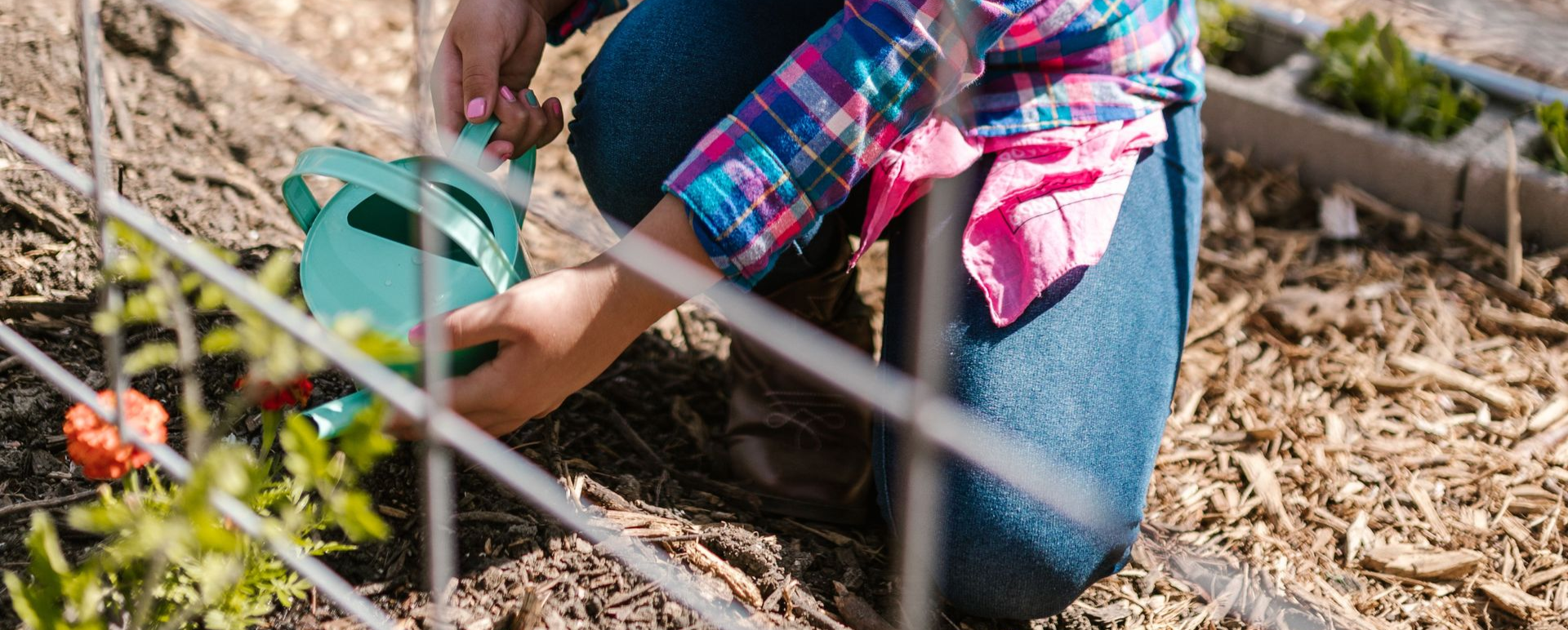
Harvest, cook, and run a real farm stand. From Farm to Table is a hands-on Cape Cod summer camp for kids ages 7–14. August 3–7 at Sandwich Montessori School.
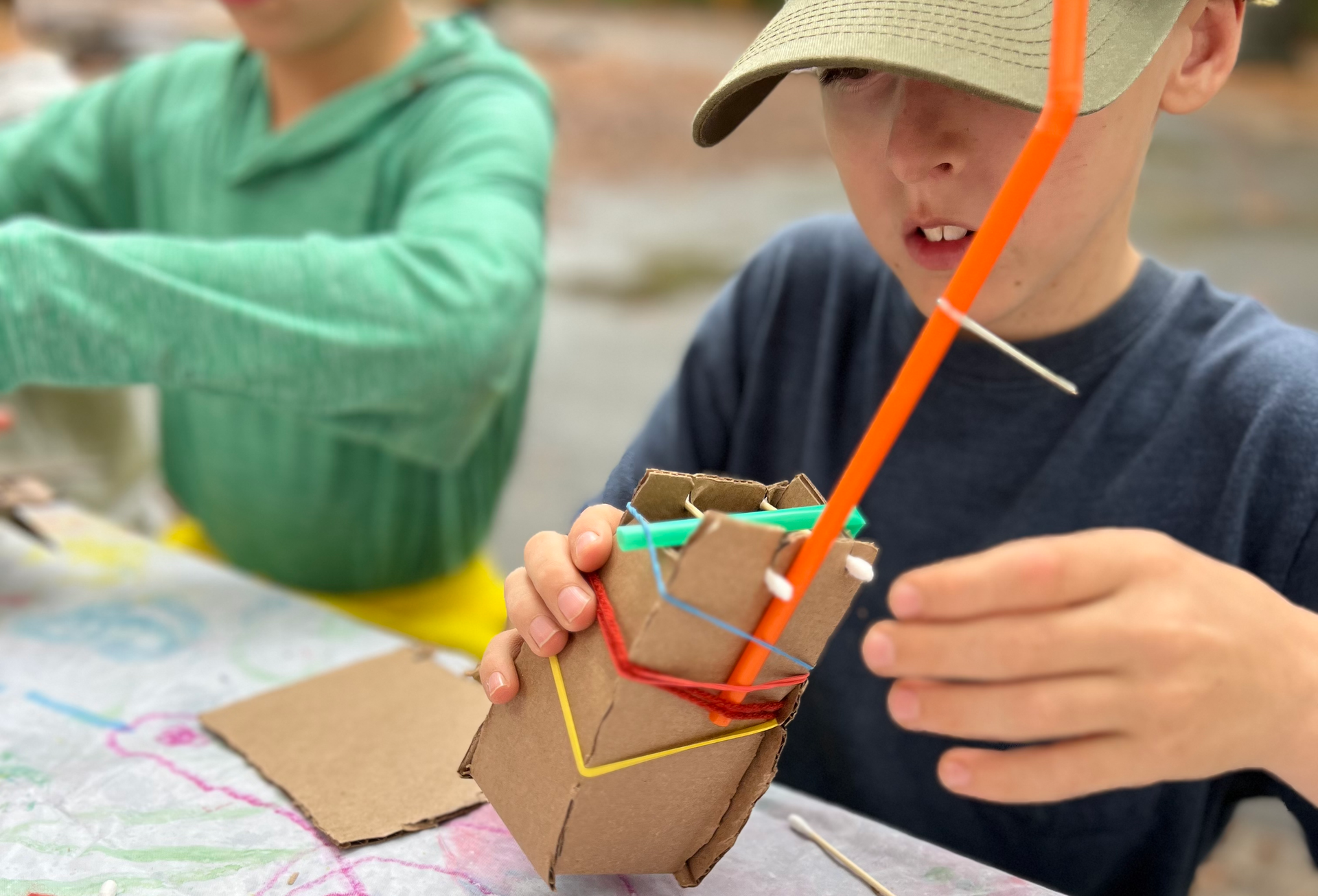
Is your child the kid who always asks 'how does that work? Inventors Arena is a hands-on STEM camp on Cape Cod for curious kids ages 7–14. July 27–31.
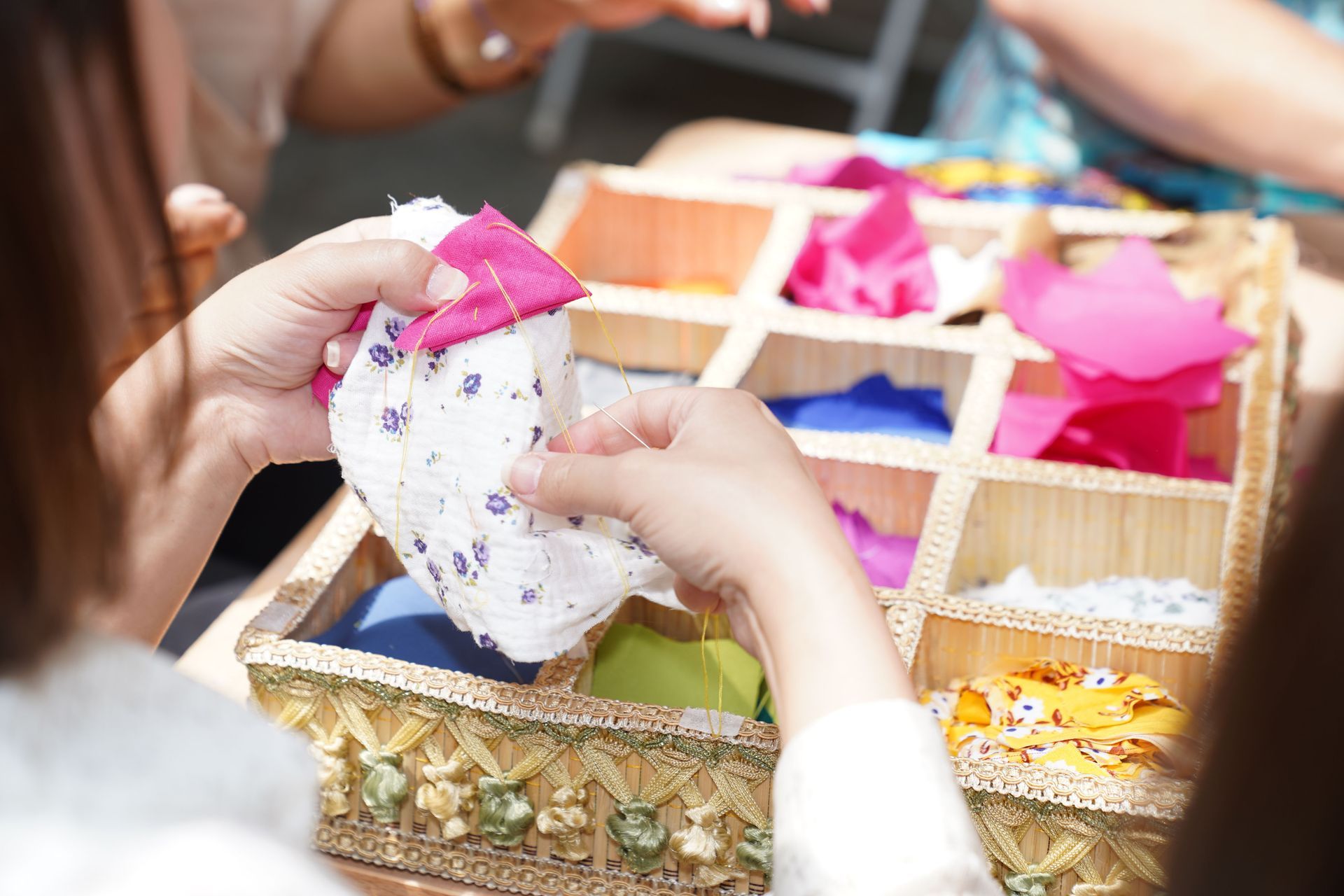
Natural dyeing, hand stitching, and upcycling a thrift-store find. Stitch, Dye & Design is a hands-on maker camp on Cape Cod for ages 7–14. July 20–24.

Watercolor, printmaking, clay, and a Friday gallery show. Create Like an Artist is a fine art camp on Cape Cod for kids ages 7–14. Led by a practicing artist.
Discover Minecraft Summer Camp on Cape Cod at Sandwich Montessori School. Ages 7–14 build, collaborate, and solve engineering challenges through Minecraft.

How to pick the right summer camp for your child on Cape Cod!

Discover the Montessori approach to play and see how purposeful, hands-on work supports independence, focus, and joyful learning.
Discover spring break activities for families with simple, screen-free ideas that inspire creativity, connection, and outdoor fun at home.