Why Montessori Education Is So Popular
Why Montessori Education Is So Popular With Today's Families
A small hand steadies a tiny pitcher, then pours water into a glass. Another child rolls out a work rug like it's a welcome mat. Nearby, someone chooses a tray from a low shelf, carries it carefully, and gets to work.
That calm, capable feeling is what many parents are looking for. They want less chaos, more confidence, and real skills that show up at home. When families search for why montessori feels different, they're often hoping for something simple, a classroom that helps children grow without constant bribing, begging, or battles.
This post breaks down what Montessori education is, what it isn't, why it works for many kids, and how you can spot the real thing during a school visit before you enroll.
What Montessori education is (and what it isn't)
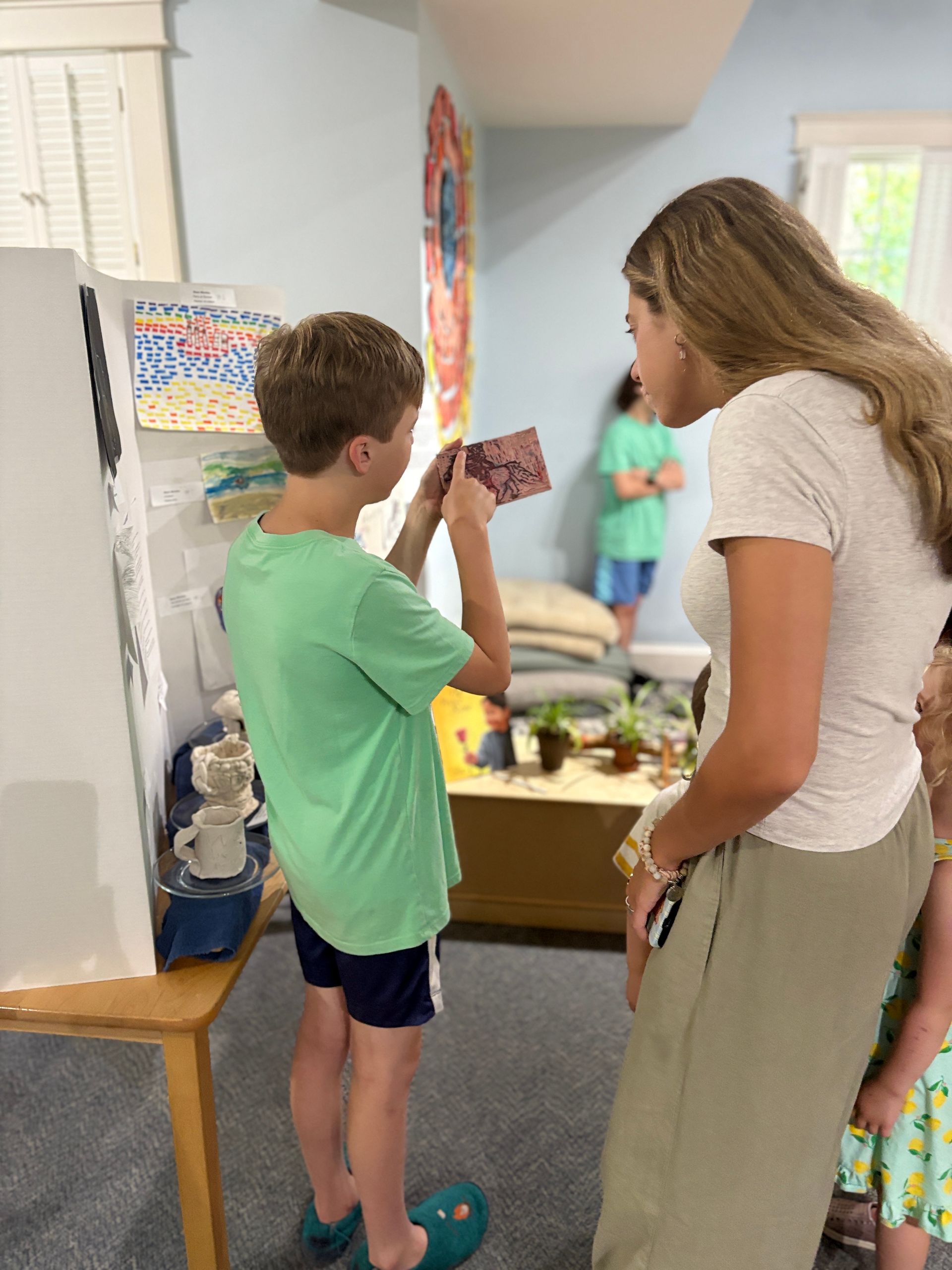
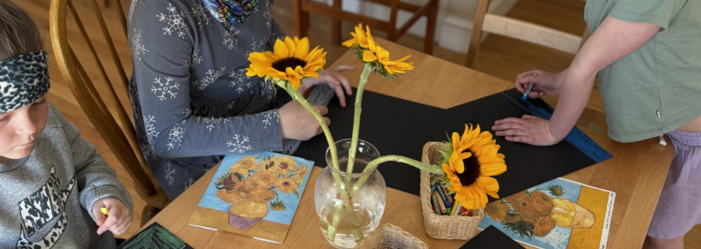
Montessori is easiest to understand when you picture the room. You won't see rows of desks. Instead, you'll notice low shelves, child-sized tools, and children working in small pockets of focus. The classroom looks lived-in, but not messy. It feels more like a well-organized kitchen than a playground.
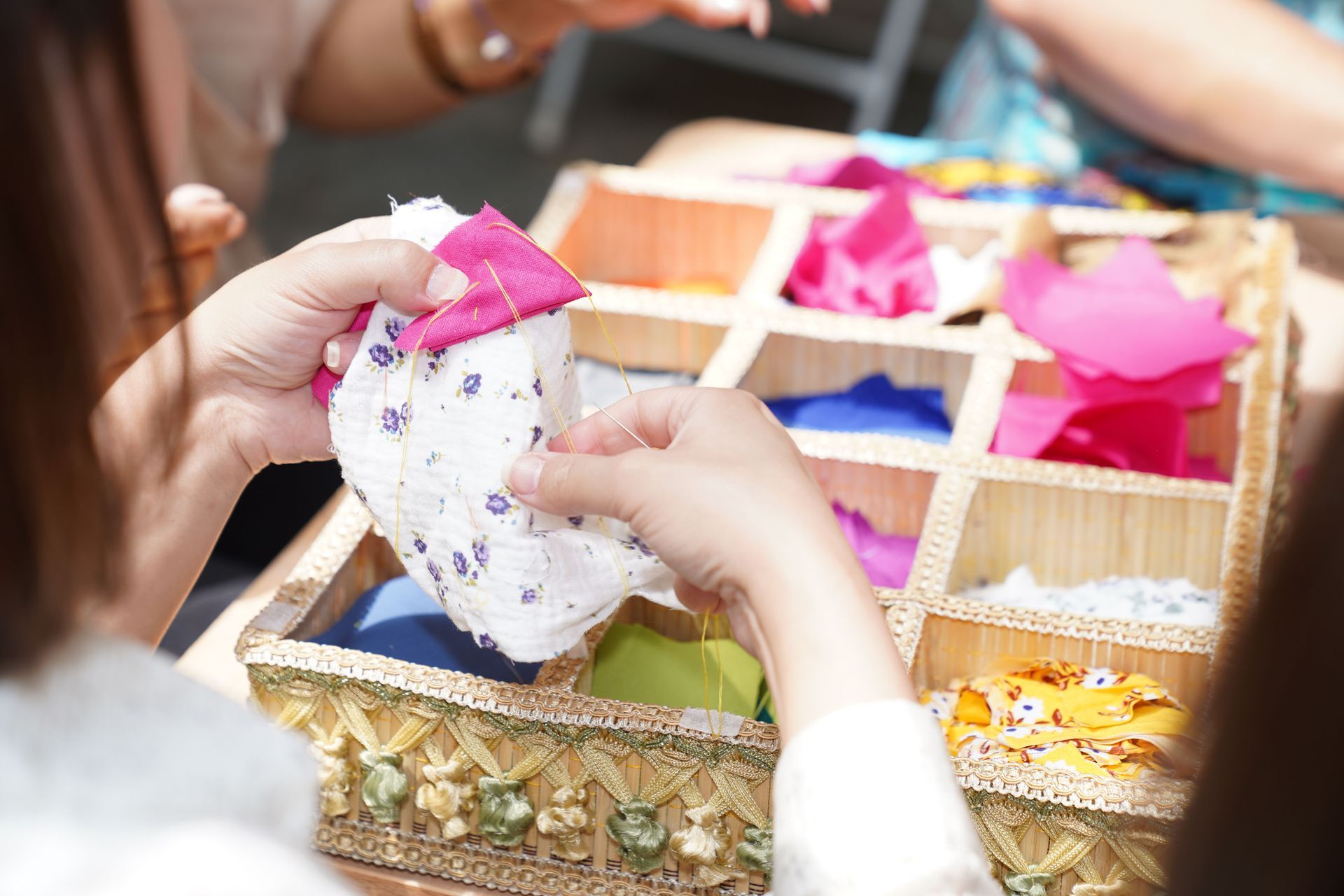
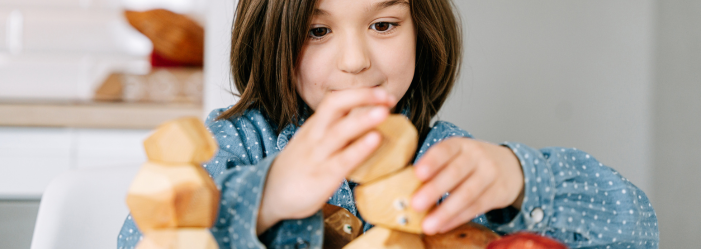
You'll also notice that learning happens through action. Children touch, move, build, pour, match, and sort. That doesn't mean there's no reading, writing, or math. It means those skills grow from the hands up, not from worksheets down.
Just as important, Montessori isn't a free-for-all. A good Montessori classroom has clear routines, consistent expectations, and careful lessons. It also isn't "just fancy toys." The materials have a job to do, and teachers show children how to use them with purpose.
In a strong Montessori classroom, freedom doesn't mean "do anything." It means "choose meaningful work, then do it well."
The basics: child-led choices inside clear limits
Montessori is often described as freedom within limits. Children choose their work, but only from what the teacher has prepared and taught. That set of choices matters. It keeps the day from turning into a tug-of-war between adult plans and child moods.
You'll often see long work periods, sometimes two to three hours. During that time, children can settle in, repeat an activity, and finish at their own pace. The teacher gives short, focused lessons, then steps back so the child can try.
Picture a teacher showing a child how to zip a coat. She slows down, uses few words, and demonstrates once. Then she gives the coat back and watches quietly. If the child struggles, she might show the first step again, then pause. The goal is help without taking over, because "I did it!" is part of the lesson.
Why the materials look different, and what they teach
Montessori materials often look simple, even old-fashioned. That's on purpose. Many are self-correcting, so the child can see an error and fix it without an adult jumping in.
In practical life, a toddler might practice pouring from a small pitcher, spooning beans, or polishing a wooden tray. These activities build coordination and patience, but they also teach sequence and care.
In early literacy, sandpaper letters let children trace the shape of a sound. Their fingers learn the form while their mouths practice the phonetic cue. That body-memory can make writing feel less mysterious later.
For math, you might see number rods or bead chains that show quantity with length and pattern. Children can literally feel the difference between six and nine. Over time, repeated hands-on work supports mental math because the child understands the "why," not just the answer.
Why Montessori is so popular with parents right now
Parenting today comes with noise. Screens are loud, schedules are packed, and attention feels fragile. So when parents walk into a classroom where children look busy and peaceful, it's hard not to breathe out.
Montessori has grown in popularity because it matches what many families want: independence, self-control, and learning that lasts longer than a test. It also respects childhood. Children aren't rushed through milestones like items on a checklist. Instead, they practice skills until they feel solid, then move on.
Another reason is emotional. Montessori classrooms often feel warm and steady. Children know where things belong. They know how to begin. They know how to clean up. That predictability can be a relief for kids, and for parents too.
Kids build independence, and that changes home life too
Independence in Montessori isn't a slogan. It shows up in daily habits. Children learn to hang up a coat, push in a chair, wipe a spill, and put work back where it belongs. Those small acts add up to a child who thinks, "I can handle this."
At home, that confidence can shift the tone of the day. A child who's used to doing real tasks may push back less, because they feel respected. They still have big feelings, of course, but they also have tools.
Imagine a normal evening. Your child sets forks on the table, then carries napkins one by one. After dinner, she scrapes her plate and puts shoes in the right spot. It's not perfect. Still, you can feel the pride in her shoulders. That pride can do more than a sticker chart ever could.
Focus grows when children can move, repeat, and finish work
Many children focus better when their bodies can move. Montessori expects movement, but it guides it. Children walk to the shelf, carry a tray with two hands, and sit where they can concentrate. That simple structure turns motion into a learning tool.
Uninterrupted time helps too. When children can choose, work, and finish, they complete a full cycle. They decide, do the task, tidy up, and return it. That clear ending matters, because it builds a sense of control.
As a result, Montessori classrooms often feel calmer. Kids aren't waiting for the next direction every few minutes. They're busy with work that makes sense to them, so the room hums instead of erupts.
Mixed ages and social learning feel more like a family than a grade level
Many Montessori classrooms use 3-year age groupings. So you might see ages 3 to 6 together, or 6 to 9 together. That mix changes the social tone fast.
Younger children learn by watching. They copy how older children roll rugs, speak politely, and take turns. Meanwhile, older children practice leadership in small, everyday ways. Helping a younger friend carry a tray teaches patience better than a once-a-week "kindness lesson."
Because children stay with the same teacher longer, the community can feel stable. Friendships deepen, and shy children often find their place. Over time, the room starts to feel like a little neighborhood where everyone has a role.
Proof points parents notice over time, plus famous Montessori alumni
Parents usually don't need a research paper to sense progress. They notice changes in the car ride, the bedtime routine, and the way their child speaks to others. Montessori tends to show results through daily behavior, not flashy performances.
That said, it's still important to stay honest. Montessori doesn't guarantee a certain personality or outcome. Children grow at different speeds, and a school's quality matters a lot. A strong program stays consistent, trains teachers well, and protects the child's work time.
What progress can look like after a few months
Here are signs many parents describe over time (not promises, just common patterns):
- Longer stretches of attention during play or chores
- More careful hands with objects, fewer "oops" crashes
- Clearer language, like naming choices instead of melting down
- More pride in helping, such as wiping a spill without being asked
- Smoother transitions, because routines feel familiar
- Better patience while waiting for a turn or a tool
Every child develops at their own pace, so the timeline can look different in each family.
Global figures who experienced Montessori, and what they praised
Montessori has also stayed in the spotlight because many well-known people attended Montessori programs. Names often linked to Montessori include Jeff Bezos, Sergey Brin, Larry Page, and Prince William and Prince Harry.
Reports and interviews connected to these figures often point to similar themes: comfort with independence, curiosity, and self-direction. Still, success has many causes, from family support to opportunity and personal drive. Montessori doesn't "create" a CEO or a prince. Yet it can help children practice the habits that make big goals feel possible.
Conclusion
If you're curious about Montessori, the best next step is simple: go see it. Tour local schools, then watch for key signals, a calm room, purposeful work, and teachers who guide with respect instead of control. Notice whether children look busy in a satisfying way, like builders on a job site.
If your child is still very young, you can start even earlier. The Caregiver and Child program at Sandwich Montessori School lets parents see how their child would be in a Montessori setting with Montessori materials, so you can see for yourself why it's so popular: https://www.sandwichmontessori.org/montessori-caregiver-program
Bring your questions, trust your observations, and take your time. Montessori is easiest to understand when you watch a child choose, try, and glow with pride.