Why Play Is Important: A Montessori Perspective on Early Childhood Learning
Why Play Is Important in the Early Years
Most parents quickly understand why play is important for babies and young children. We hear it often from educators and child development experts, and it’s something many families naturally observe at home. But in Montessori education, understanding why play is important goes deeper than simply knowing children enjoy it. Play is how children explore their environment, practice new skills, and build the foundation for lifelong learning.
“Play is the work of the child.” - Maria Montessori
“A child's greatest achievements are possible in play, achievements that tomorrow will become her basic level of real action.” - Lev Vygotsky
“Play is the work of childhood.” - Jean Piaget
But what does that really mean?
In Montessori education, play is not simply entertainment or a way to pass time. It is how children explore their world, practice new skills, and build the foundations for future learning. When a child is engaged in meaningful activity, something important is happening beneath the surface.
Why Play Is Important for Child Development
Many parents spend time searching for new play ideas online. It’s easy to feel like we need a constant stream of creative activities to keep our children engaged.
But in a Montessori approach, the focus is less on finding the next activity and more on understanding what the child is developing through the experiences they already have.
A simple sensory experience, for example, might seem like messy fun. Yet while a child explores a new texture with their hands, they are also strengthening coordination, concentration, curiosity, and language.
What looks simple from the outside is actually supporting many layers of development.
What Children Are Building Through Play
When children are given time and space to explore through play, they are developing important lifelong skills.
Concentration and Focus
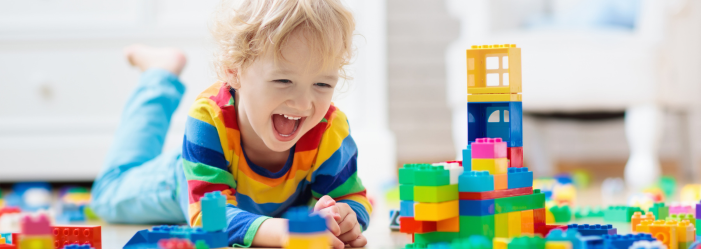
Young children often repeat actions again and again. They may stack blocks, pour water from one container to another, or return to the same puzzle several times.
This repetition is not accidental. Through repeated movement and experimentation, children are strengthening their ability to concentrate. Over time, these moments of focus grow longer and deeper, supporting future learning.
Emotional Regulation
Play also helps children practice managing emotions before they have the words to describe them.
A tower may fall just as a child finishes building it. Sometimes they laugh. Other times they may feel frustrated or disappointed.
These small experiences give children the opportunity to practice resilience with the support of a calm adult nearby.
Problem Solving
Children are natural problem solvers.
During play, they constantly test ideas:
What happens if I try this?
Why didn’t that work?
What should I do next?
Whether they are fitting puzzle pieces together or figuring out how to carry a tray across the room, these small experiments build flexible thinking and persistence.
Language Development
Play also creates rich opportunities for language.
When children describe what they are doing, retell experiences, or talk about their discoveries, they are practicing vocabulary, sequencing, and storytelling.
These early conversations help build the foundation for reading and communication later on.
Independence and Confidence
In Montessori environments, adults observe carefully before stepping in to help.
When children are given the opportunity to try, adjust, and try again, they begin to trust their own abilities.
A child who figures something out independently experiences a powerful sense of pride. That feeling becomes the foundation for confidence and perseverance.
Connection
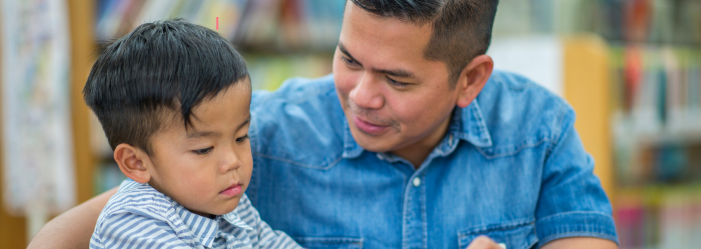
Play is also one of the most meaningful ways children build connection with the adults around them.
When a parent slows down to observe, participate, or simply sit nearby during play, the child feels supported and understood.
That sense of security encourages children to explore, take risks, and learn.
Seeing Play Through a New Lens
When we pause and observe more closely, play begins to look different.
A child pouring water is not just making a mess.
They are practicing coordination, concentration, and care.
A child repeating the same activity is not stuck.
They are strengthening important neural pathways through repetition.
A child inviting you into their pretend game is not just being silly.
They are building imagination, language, and connection.
These small moments of play are quietly shaping how a child learns, thinks, and interacts with the world.
Supporting Play as a Parent
Parents don’t need complicated materials or elaborate activities to support their child’s development.
Often, the most meaningful experiences come from simple moments:
• giving children time to explore
• observing their interests
• allowing repetition
• offering gentle guidance when needed
• joining them in play with curiosity and attention
When adults begin to notice what children are building through play, everyday moments take on new meaning.
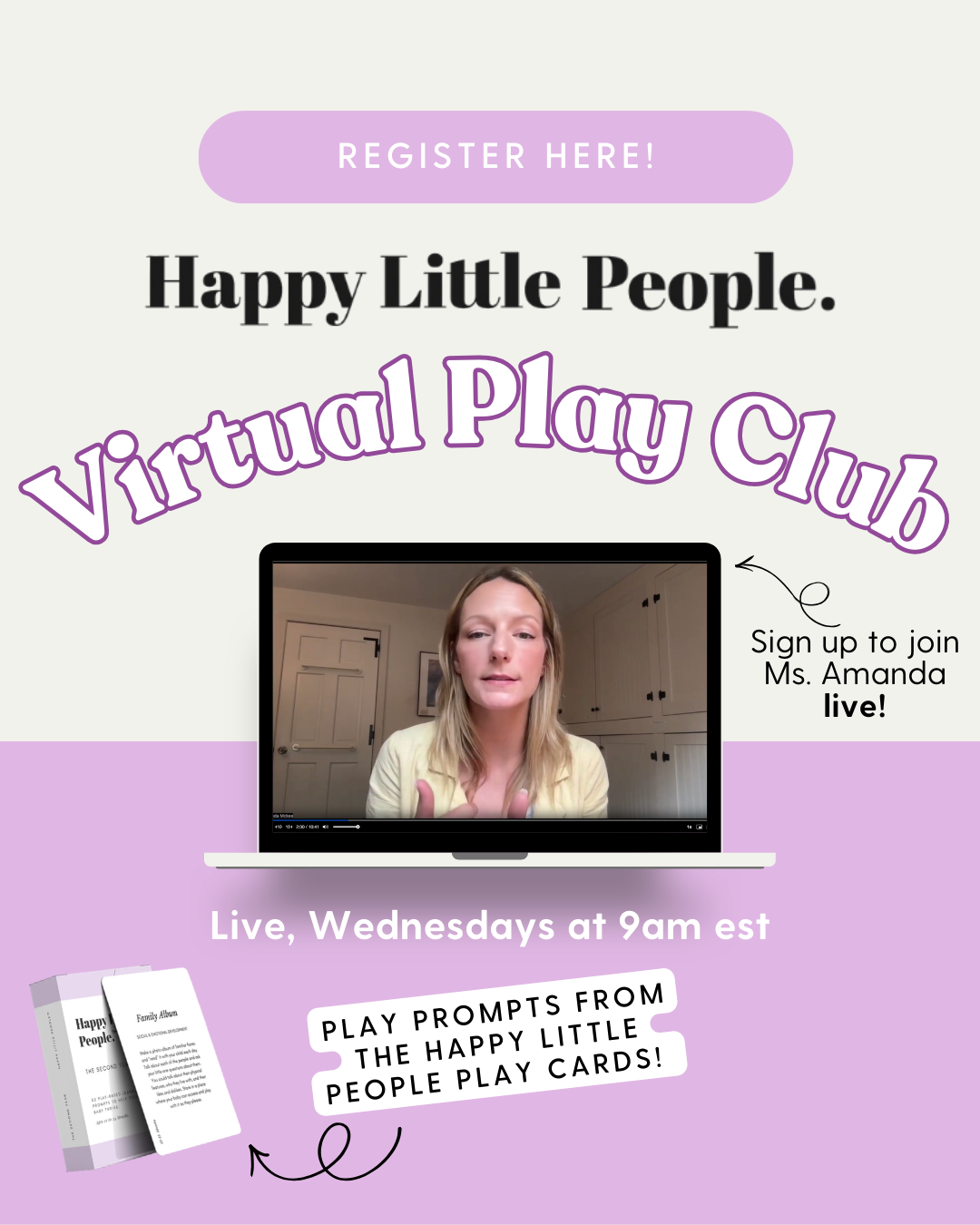
If you'd like to explore more about play and here from a child development expert, join our virtual play club. This play club meets every Wednesday at 9am EST. Get play ideas for your baby or toddler and hear from an expert on why that play is so important.