Montessori Classroom Organization: How Order Builds Independence
Montessori Classroom Organization: How Order Builds Independence

Step into a well-run Montessori room and you’ll notice it first with your body, not your brain. There’s a quiet hum, like a library with sunlight. Children move with purpose. A child unrolls a small mat, another carries a tray with two hands, someone else pours water without an adult hovering nearby. Nothing feels rushed, but nothing feels aimless either.
That calm doesn’t happen by luck. In montessori classroom organization, the room itself teaches. The shelves, the flow of traffic, even the empty spaces all send a message: you can do this.
If you’re a parent trying to understand what makes Montessori different, this guide will help you spot it. You’ll learn how shelves are set up, how order supports focus and confidence, and what to look for when you visit a classroom.
How Montessori classroom organization helps children feel safe, focused, and capable
A young child is always collecting clues. Where do I go? What can I touch? What happens if I spill? In a Montessori classroom, the answers are built into the space. Order outside supports order inside, so the child doesn’t have to waste energy guessing the rules. They can spend that energy working.
A predictable layout lowers stress. When children know where the materials live and what “finished” looks like, they relax into the routine. That’s when you see longer concentration, fewer power struggles, and a surprising amount of self-control for small bodies.
This kind of organization also supports real choice. Not the overwhelming kind where a child bounces from toy to toy, but the steady kind where they select one activity, carry it carefully, and stay with it. The classroom makes the next step obvious, so children don’t need constant adult help to get started.
The room is set up for independence, not adult convenience
Everything is sized for children: chairs they can lift, tables they can wipe, shelves at shoulder height. Materials sit on open shelves, not in closed bins that require permission. Clear walking paths matter too, because children carry real tools and glass in many Montessori settings.
Teachers keep their own area simple. A cluttered adult corner pulls attention like a blinking sign. In a well-organized room, everything has a home, and children can reach it without asking.
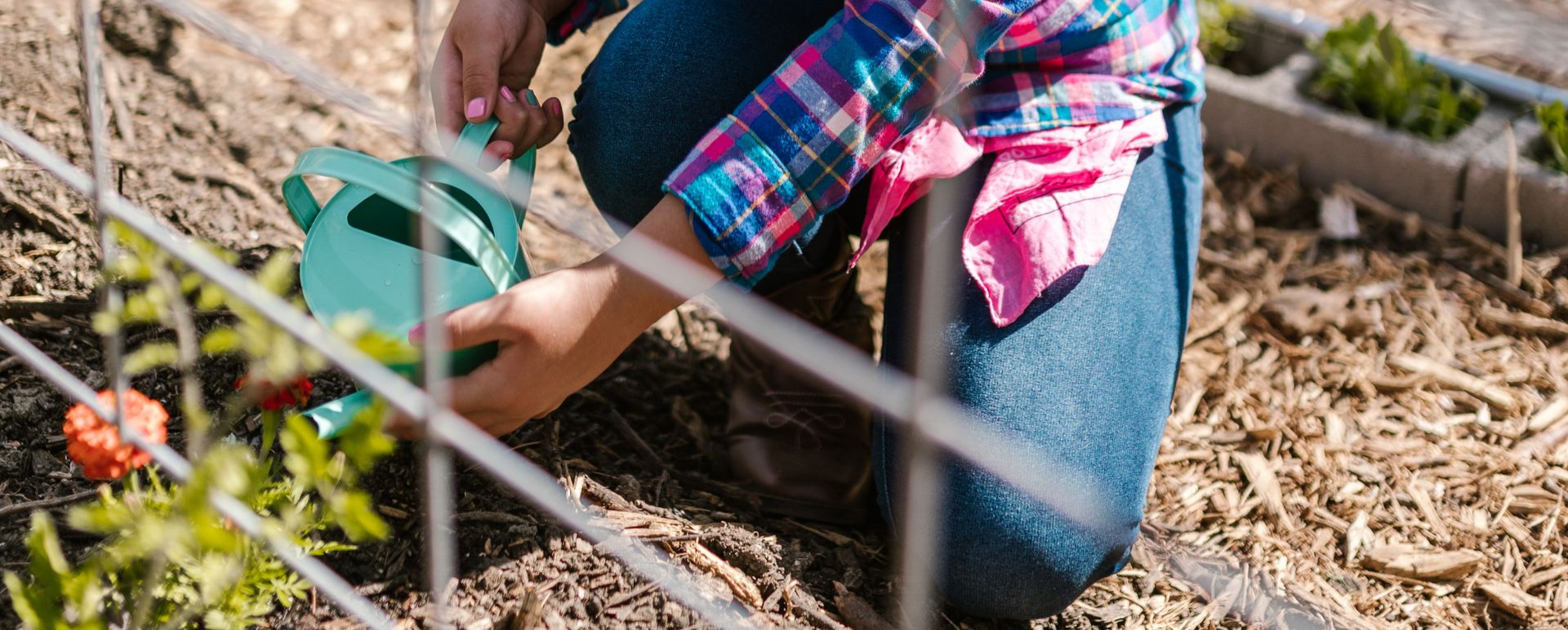
A simple example: a child chooses a pouring work, carries the tray to a table, pours water into a small pitcher, then returns the tray to the same spot, ready for the next person.
Why shelves go left to right, easy to hard
Montessori shelves often follow a quiet logic: left to right, simple to complex. The easiest version of a skill appears first, then it builds step by step. This arrangement helps children sequence their thinking without a lecture.
It also supports early reading habits. In English, we scan left to right. When materials flow that way, the eyes and hands practice an invisible rhythm that later shows up in reading and writing.
The “easy to hard” pattern doesn’t pressure a child to rush. It simply makes progress visible. Children can repeat an early activity until they’re ready, then move forward with confidence.
Less choice, better choice: why Montessori uses curated materials
Montessori classrooms usually aren’t packed with toys, and that’s on purpose. Too many options can turn the shelf into noise. Curated choices help children see what’s available, commit to one piece of work, and finish it.
Teachers rotate materials when interest fades or when a group is ready for a new challenge. Rotation isn’t about entertainment. It protects focus while keeping the classroom responsive. A shelf that’s thoughtfully edited tells a child, “Your work matters enough to be kept in good order.”
What you’ll notice on the shelves, and why it’s arranged that way
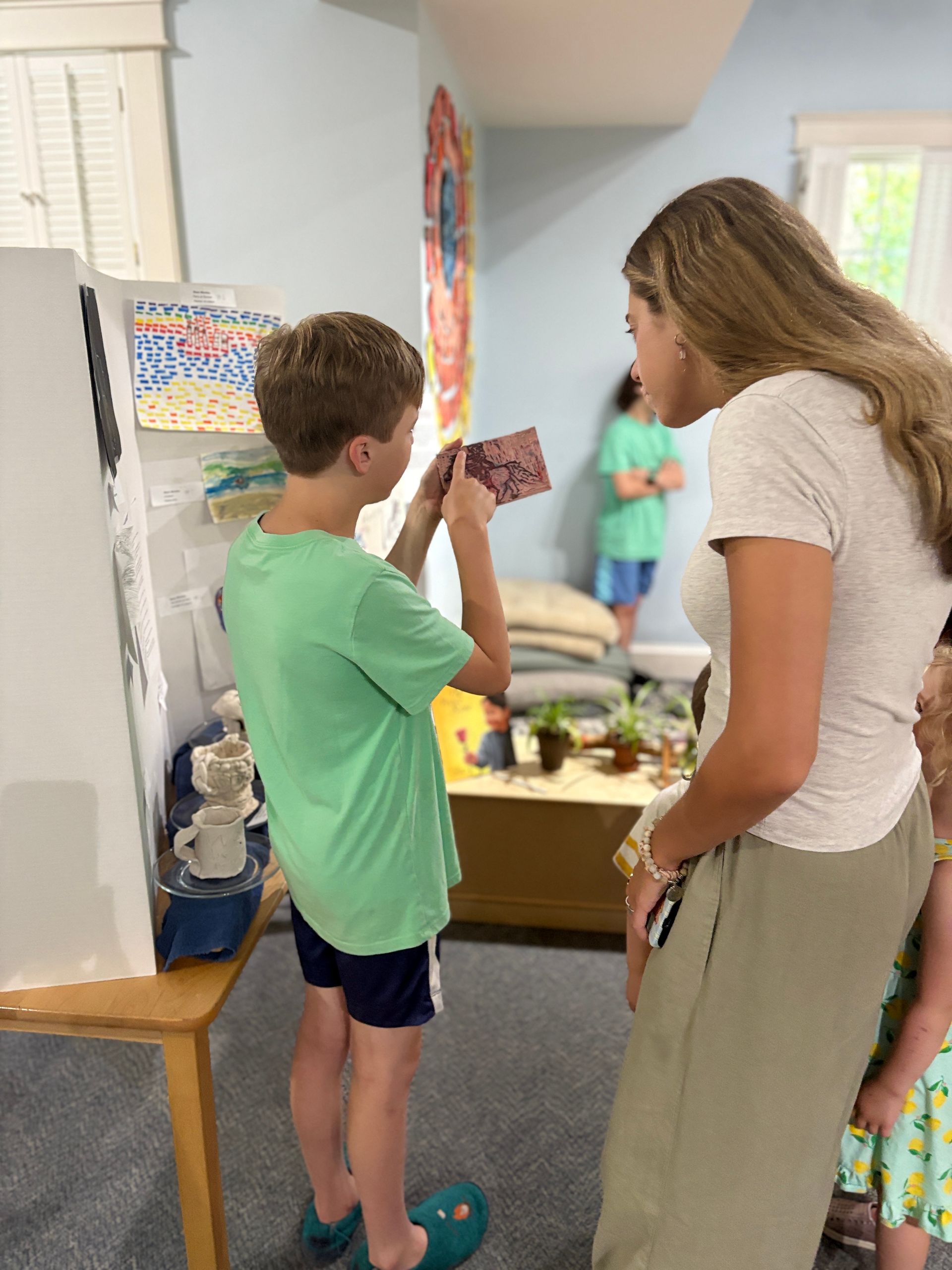
Montessori shelves tend to look clean and inviting, like a small shop where everything is displayed with care. You’ll see baskets that hold just enough, trays that define a complete activity, and labels that make returning work possible without adult rescue.
The layout often follows more than one pattern at once. Many areas move left to right, easy to hard. Some materials also move top to bottom. Lighter work may sit higher, heavier work lower. Sometimes the shelf itself becomes a map of growing skill.
The beauty here is practical, not fancy. You’re likely to notice calm colors, natural materials, and open space around each item. That “breathing room” matters. When a child can clearly see where something begins and ends, they can organize their own actions to match.
Shelves are organized by area, and each area has a clear purpose
Most Montessori classrooms group materials into consistent areas. Practical Life focuses on real skills like pouring, spooning, and cleaning. Sensorial helps children refine sight, touch, sound, and other senses with purposeful tools. Math and Language build step by step, often moving from hands-on work to symbols. Cultural work can include science, geography, art, and music, offering a wider view of the world.
The point isn’t to rush academics. It’s to build skills in layers. A child who learns to carry a tray with care is practicing the same control they’ll need to form letters later. The shelf organization makes these connections possible because the child can repeat, choose, and progress without waiting for a worksheet.
Each activity is complete, simple to carry, and easy to put back
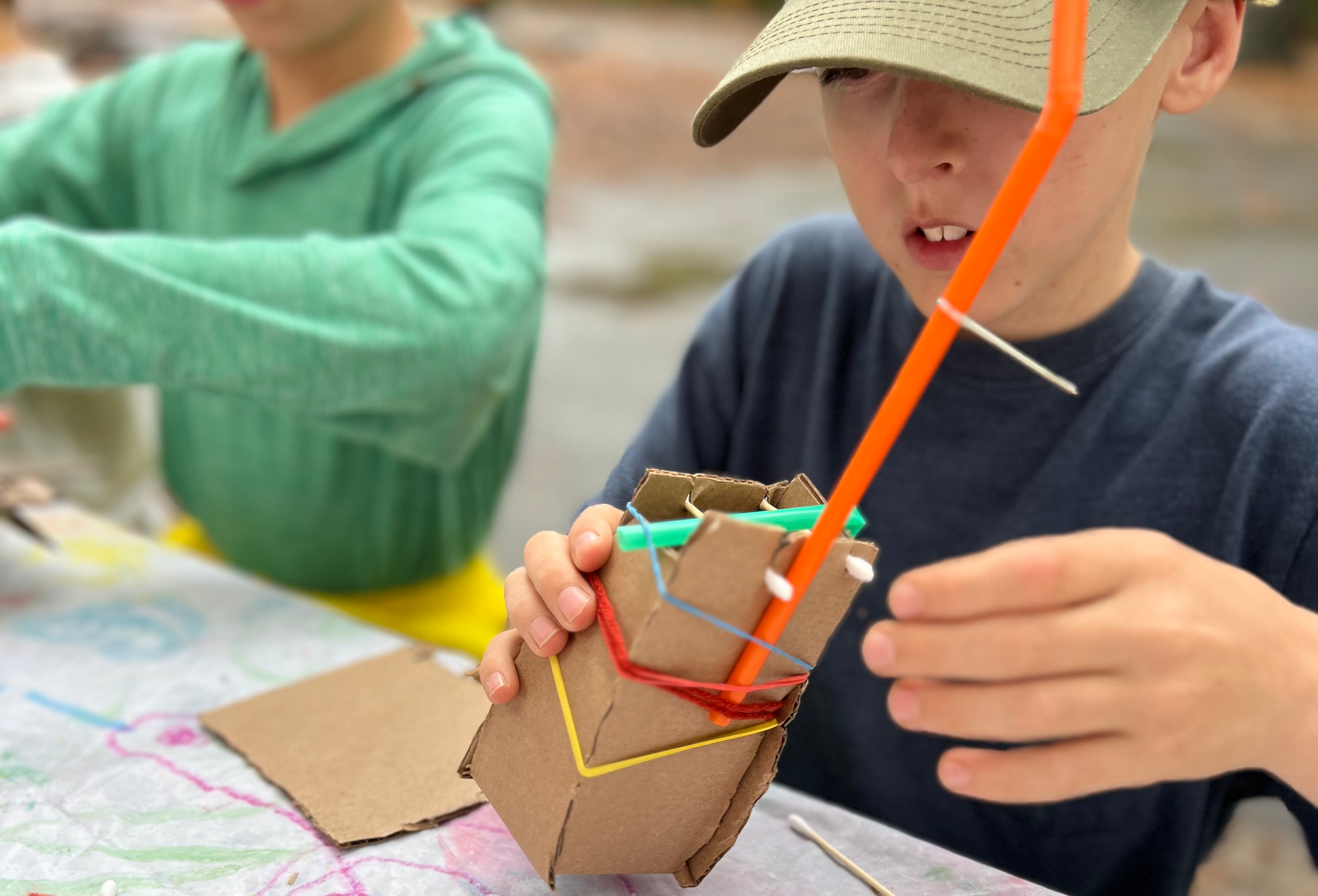
A Montessori activity is usually self-contained. It comes with what the child needs and not much more. That might mean a small basket with matching objects, or a tray with a sponge and a tiny pitcher.
Many materials also include a built-in way for the child to notice mistakes. In plain language, the work “tells the truth.” If something doesn’t fit, or the set isn’t complete, the child sees it. This reduces the need for adults to correct every step.
Rugs or mats often define a work space on the floor. They protect the child’s concentration and teach respect for others’ work. Clean-up is part of the lesson too. When a child returns an item neatly, they’re practicing order as a life skill, not as a punishment.
How teachers keep order without constant correcting
A peaceful Montessori room isn’t quiet because children are controlled. It’s quiet because the systems do the heavy lifting. Teachers observe first, then adjust the environment so children can succeed with less adult interruption.
You might see a teacher give a short, clear lesson, then step back. That pause is intentional. It gives the child time to try, repeat, and settle into focus. Limits are gentle but firm, especially around safety and respect. The goal is freedom within clear boundaries.
If you’re visiting a school, look for signs that the room runs itself. Are children moving smoothly? Are materials being returned? Does the teacher spend more time watching and guiding than directing?
A few helpful questions to ask during a visit:
- How do you introduce new materials so children can use them safely?
- What happens when a child isn’t using a material respectfully?
- How often do you refresh or rotate the shelves?
Grace and courtesy lessons make the room work for everyone
Montessori teachers give “grace and courtesy” lessons early and often. These are short demonstrations that show children how to live together in the space. They learn how to carry a tray with two hands, how to roll a rug tightly, how to walk around someone’s work, and how to wait for a turn without hovering.
These routines prevent small conflicts before they start. They also protect concentration. When children know the social rules, they don’t need to test them all day. The room stays calm because the children know how to care for it and for each other.
The daily reset: how adults edit the environment so children can thrive
Even the best classroom drifts out of order during a busy day. Teachers do quick resets: straightening shelves, removing anything broken, refilling consumables, and wiping sticky trays. They might simplify a shelf that’s become too crowded, or move a popular work to a spot that reduces traffic jams.
The aim isn’t a perfect showroom. It’s a space that invites careful hands and steady work. When the environment is beautiful but not fragile, children learn that real responsibility feels good. They can touch, use, clean, and return things, and the room welcomes them back tomorrow.
Conclusion
When Montessori classroom organization is working, you can feel it: a calm flow, reachable materials, and shelves that tell a clear story from simple to complex. You’ll see children choosing work without being handed options, finishing what they start, and returning materials as naturally as putting shoes by the door.
A quick way to spot a well-organized Montessori space is to notice these signals: clear pathways, tidy shelves with “just enough,” and adults guiding more than directing. The room should invite independence, not constant reminders.
If you’re considering Sandwich Montessori School, seeing the classroom in person can answer questions that words can’t. Order is easier to recognize when you can watch children move through it. Visit us today: https://www.sandwichmontessori.org/schedule-tour