The Montessori Approach to Play: What It Looks Like in the Classroom
The Montessori Approach to Play: What It Looks Like in the Classroom
One of the most common questions parents ask is: Is Montessori play-based?
The answer is yes, but it may not look the way you expect.
In a Montessori classroom, play and work are deeply connected. What might look like simple activity from the outside is often purposeful, hands-on engagement that supports real learning and development.
The Montessori approach to play is less about entertainment and more about meaningful interaction with the environment, where children are active participants in their own learning, an idea rooted in the work of Maria Montessori.
What Is the Montessori Approach to Play?
Play as Purposeful Work
In Montessori, you’ll often hear the word “work” used instead of “play,” which can make you think Montessori isn’t play based. Maria Montessori believed that “play is the work of the child,” meaning that what looks like play is actually deeply meaningful, purposeful activity, and built her methods around that belief.
Rather than focusing on passive entertainment or leaving materials to chance, Montessori environments are thoughtfully prepared to offer activities that invite engagement, problem-solving, and discovery, while building real skills tied to a child’s developmental stage through hands-on experience.
Children are given the freedom to choose what they work on, which naturally increases their focus and motivation. Instead of being directed from one activity to another, they follow their own interests within a thoughtfully prepared space.
This shift, from entertainment to purposeful activity, is at the heart of the Montessori approach to play.
Freedom Within Limits
A Montessori classroom is not unstructured, but it also isn’t rigid.
Children have the freedom to choose their activities, move around the classroom, and work at their own pace. At the same time, this freedom exists within clear and consistent limits, a balance that Montessori described
freedom within limits and as essential for development.
The environment is carefully prepared with materials that are intentional, accessible, and developmentally appropriate. This structure actually supports creativity, rather than restricting it.
When children know what is available and how to use it, they are able to explore more deeply and independently.
Why Montessori Looks Different at Different Ages
In Montessori, the way children engage in play shifts as they grow, reflecting what Maria Montessori described as the planes of development, distinct stages of growth, each with its own needs, interests, and ways of interacting with the world.
Infant and Toddler: Sensory Exploration and Movement
For infants and toddlers, play is rooted in sensory exploration and movement, what Montessori described as the foundation of early development and the first plane of development. Movement is not separate from learning, it is learning at this stage. Every action helps build coordination, independence, and understanding of the world.
At this stage, children are building trust in their environment and developing control over their bodies through hands-on interaction.
You might notice:
- Simple, real objects instead of flashy plastic toys
- Opportunities to grasp, reach, and explore safely
- Repetition of small movements that build coordination
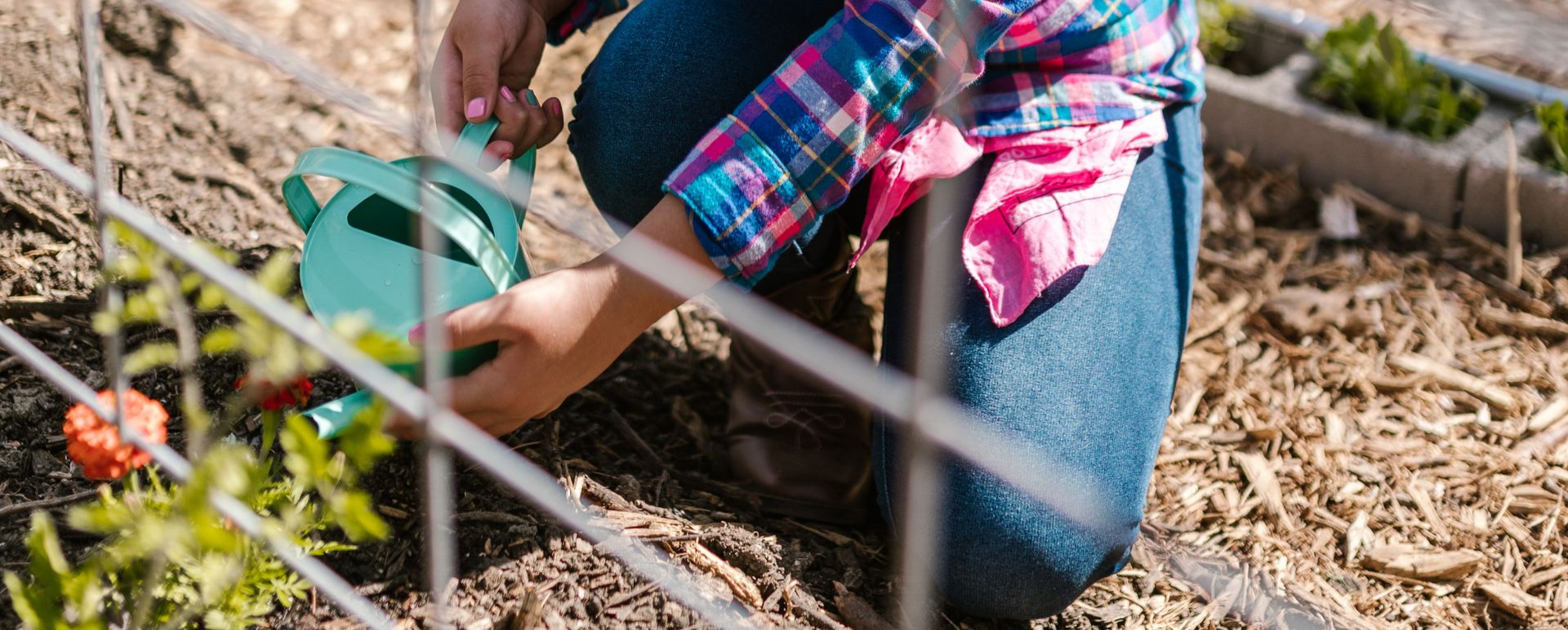
- Early practical life experiences like carrying, pouring, or tidying
- Open floor space that allows for free movement
Primary (3–6): Imagination Through Real Experiences
In the primary years, children continue to engage in hands-on, purposeful activity, but with expanding skills and imagination. This stage is also part of the first plane of development, where children are especially sensitive to order, repetition, and independence.
Rather than relying on fantasy alone, children build imagination through meaningful, real-world interactions, something Montessori emphasized through her focus on reality-based learning in early childhood. This is also a time when children are forming a strong sense of independence and capability through repeated, purposeful work.
You might see:
- Practical life work like pouring, food preparation, and cleaning
- Sensorial materials that refine the senses
- Early math and language materials used in concrete ways
- Repetition of activities to build mastery
- Collaborative moments and emerging social play
- Imagination grounded in real-life experiences
Elementary: Big Ideas and Expanding Curiosity
As children grow, their play becomes more abstract, collaborative, and driven by big questions, marking the transition into the second plane of development. At this stage, children are driven by imagination, reasoning, and a desire to understand the bigger picture. Their work often reflects a growing interest in relationships, systems, and their place in the world.
Play and learning continue to blend together, with children taking more ownership of their ideas and pursuits.
In an elementary Montessori environment, you might notice:
- Story-based learning through the Great Lessons
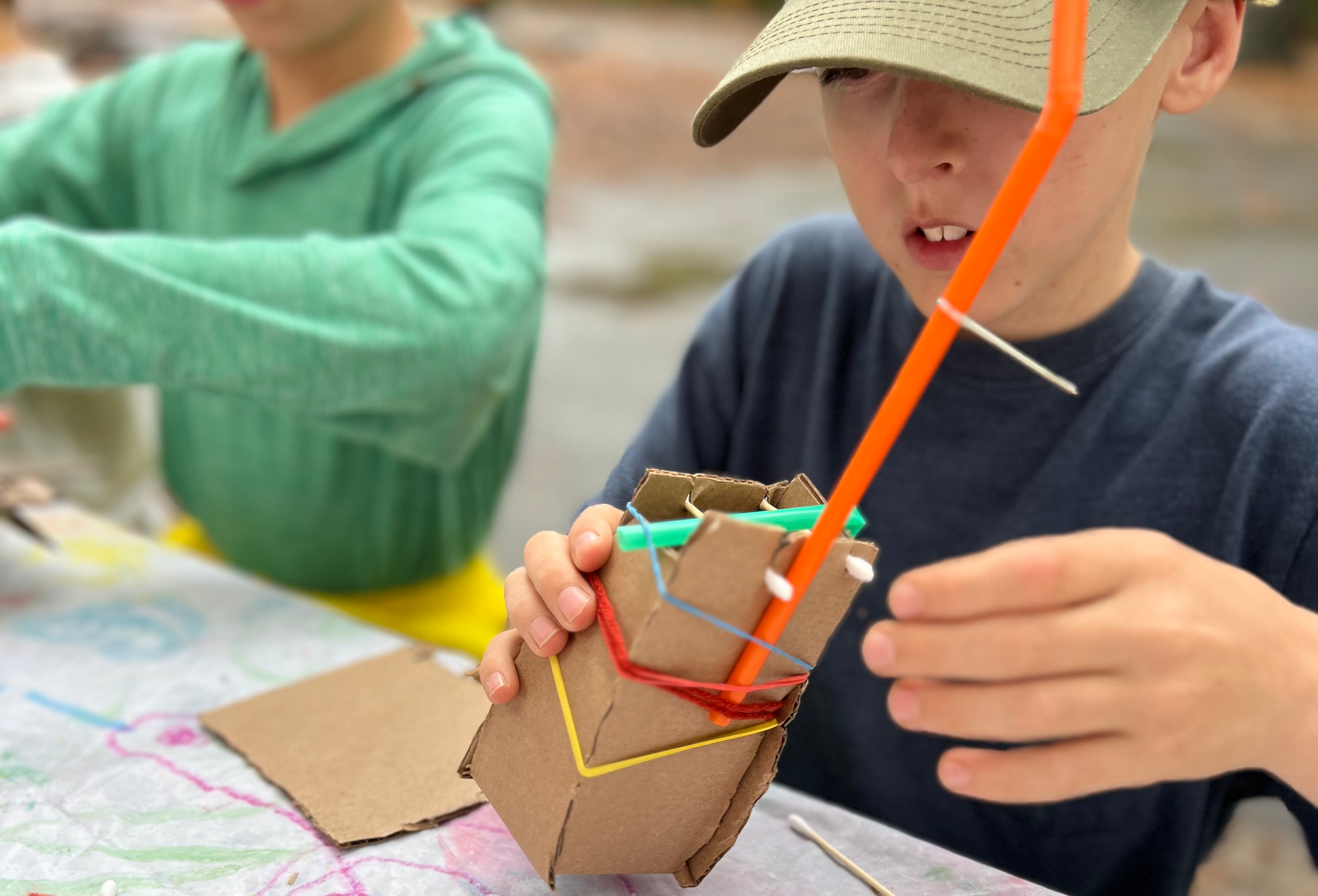
- Independent research and long-term projects
- Group collaboration and discussion
- Exploration driven by personal interests
- Creative expression through writing, building, and designing
- Deeper curiosity about the world and how things work
Why the Montessori Approach to Play Builds Independence
Deep Concentration
One of the most noticeable differences in a Montessori classroom is the level of focus children develop, something Montessori identified as a key outcome of meaningful work. This kind of deep concentration doesn’t happen by accident, it’s a direct result of the environment and the Montessori approach to play.
Children are given uninterrupted blocks of time to engage in their work. This allows them to:
- Settle into activities without being rushed
- Repeat tasks until they feel satisfied
- Build mastery through experience
- Develop sustained attention over time
Confidence and Capability
Montessori environments are designed to help children see themselves as capable, an outcome closely tied to independence and self-directed activity. Over time, this builds a strong internal belief: “I can do this.”
You’ll notice:
- Real tools instead of toy versions
- Opportunities for meaningful responsibility
- Encouragement to try, make mistakes, and try again
- A growing sense of independence in everyday tasks
- Pride in completing work on their own
Montessori Play vs. Traditional Free Play
Structure vs. Chaos
Traditional play environments can sometimes feel unstructured or overstimulating. This structure reflects Montessori’s belief that a well-prepared environment supports both independence and creativity.
In contrast, a Montessori classroom is intentionally designed:
- Materials are carefully chosen and purpose-driven
- Everything has a place and a clear use
- The environment is calm and orderly
- Children know what is available to them
Process Over Product
In Montessori, the focus is not on the end result. This belief aligns with Montessori’s emphasis on intrinsic motivation and self-driven learning.
Instead, emphasis is placed on:
- Effort and persistence
- Exploration and discovery
- Internal satisfaction rather than external rewards
- The process of learning, rather than a finished product
What Parents Might Notice in a Montessori Classroom
When you step into a Montessori classroom, it may feel different than what you may have expected, when stepping into a classroom full of children, regardless the age. The differences are intentional and reflects Montessori’s observations of how children learn best. A few things often stand out right away:
- A calmer,more focused atmosphere
- Children engaged in activities for long stretches of time
- Fewer flashy toys and more simple, purposeful materials
- Independence in action, children choosing, working, and completing tasks on their own
- A sense of respect, for the environment, the materials, and each other
- Very few large group lesson
Rethinking Play as Meaningful Learning
The Montessori approach to play invites us to rethink what play really is.
Rather than separating play and learning, Montessori brings them together in a way that is joyful, purposeful, and deeply supportive of development, an idea that traces back to the work of Maria Montessori. When children are given the space to choose, explore, and engage in meaningful work, they build independence, confidence, and a genuine love of learning.
Sometimes, the most powerful play doesn’t look flashy, it looks focused, calm, and deeply engaged, and when you begin to see it through that lens, everything starts to shift.
Come visit one of our classrooms in person to see what purposeful play really looks like - Schedule a Tour Here