Montessori Technology: How Limiting Screens Builds Focus, Creativity, and Real-World Skills
Montessori Technology: How Limiting Screens Builds Focus, Creativity, and Real-World Skills
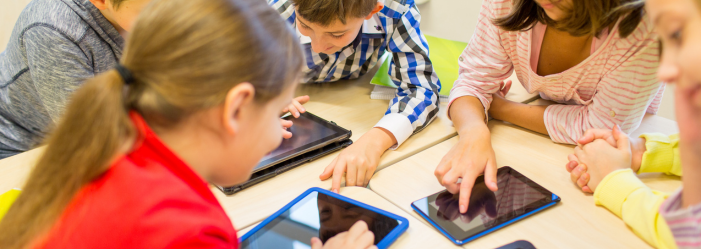
In a world where screens are everywhere - from the classroom to the car ride - parents often wonder how much technology is too much.
The Montessori technology approach looks very different from most modern classrooms. It values real-world, hands-on learning long before introducing digital devices.
Montessori schools aren’t anti-technology; they’re
intentional about when and how it’s used. When concentration, creativity, and human connection come first, children develop the skills they need to use technology wisely later, not as a distraction but as a meaningful tool.
Why Montessori Classrooms Limit Screen Use
Montessori education is built on movement, exploration, and sensory learning. Children learn through doing, not by watching.
“The hands are the instruments of man’s intelligence.” – Dr. Maria Montessori
Screens, especially for young children, can easily replace the real-world experiences that develop
fine-motor coordination, language, and
problem-solving.
Modern research supports what Montessori educators have observed for more than a century. The American Academy of Pediatrics recommends that children under two avoid screens altogether and that older children’s screen use be limited and supervised. Studies have shown that too much screen exposure in early childhood is associated with decreased white matter integrity in the brain - the area responsible for language and literacy development (Hutton et al.,
JAMA Pediatrics, 2019).
Other studies link heavy screen use with shorter attention spans and challenges in emotional regulation. A 2023 longitudinal study from the National Institutes of Health found that children who spent more than two hours a day on recreational screens showed lower scores in thinking and language tests compared with their peers.
Montessori offers an elegant solution. Teachers delay screens until children have built strong powers of concentration, self-control, and an internal drive to learn. When technology finally enters the picture, it meets a child who already knows how to focus, persist, and think
independently.
What “Technology” Means in Montessori Education
In Montessori, technology is defined broadly. It includes any tool that helps a child explore, discover, or create.
For young children, their “technology” is the material itself:
- Sandpaper letters teach reading through touch and sound.
- Moveable alphabets let children “code” language before they ever touch a keyboard.
- Golden beads and bead chains help them visualize complex math concepts through movement and pattern.
As children grow, their tools evolve . In upper elementary and middle school, digital devices appear - but always as a means to an end, never the centerpiece.
Students might study local ecosystems outdoors, collect samples, and later graph results digitally. They may draft stories by hand, edit them on a laptop, and publish them for peers to read. Technology extends learning that is already grounded in real-world experience.
The Montessori Approach to Screens: Connection Before Consumption
Montessori’s guiding principle for technology is simple - use it with purpose, not passively.
Children are taught to pause and ask themselves:
- Why am I using this?
- What am I learning or creating through it?
In many traditional classrooms, screens replace tactile work. In Montessori environments, the priority is clear:
- Concentration over convenience: uninterrupted work cycles free from digital alerts.
- Collaboration over isolation: group projects and shared discovery instead of solo scrolling.
- Curiosity over consumption: learning led by genuine interest, not an algorithm.
This intentional use of tools trains children to become mindful creators rather than distracted consumers.
How Limiting Screens Strengthens Learning and Focus
A screen-light classroom is not a step backward, it’s an investment in the skills that matter most.
When children engage with tangible materials and uninterrupted time, their brains operate differently. Neuroscientists have found that hands-on, sensory-rich experiences strengthen neural pathways related to attention, memory, and executive functioning. Screen-based activities, on the other hand, can overstimulate dopamine systems, making it harder for children to stay focused on slower, more sustained tasks.
Children who grow up in
Montessori environments develop:
- Deep concentration through long work periods without digital interruption.
- Executive functioning built through real challenges that demand planning, persistence, and self-discipline.
- Resilience that comes from troubleshooting and adapting when things don’t go as planned.
Emotionally, fewer external distractions create calmer, more peaceful classrooms. Face-to-face interactions strengthen empathy, patience, and communication skills.
During a three-hour morning work cycle, students choose projects, collaborate, and solve problems without a single screen in sight. The result is the kind of sustained focus that is rarely seen in tech-driven environments.
The research backs this up . A 2022 study from the University of Calgary found that even moderate screen exposure before age five correlated with lower attention control and reduced ability to self-regulate emotions. These are precisely the skills Montessori nurtures every day through purposeful work, social connection, and movement.
Introducing Technology Thoughtfully in Later Years
Technology arrives when the child is ready to use it wisely. Upper elementary and middle school students may use laptops or tablets for research, writing, or design work. Devices are viewed as tools for creation, not entertainment.
A student who once learned geometry using wooden insets might later use design software to model architectural structures. Another might document a science experiment digitally after first building it by hand.
Montessori teachers guide conversations about digital citizenship and ethics. Students learn to respect privacy, credit sources, and understand the impact of their digital footprint - essential lessons for responsible participation in a connected world.
Montessori at Home: Supporting a Balanced Relationship with Screens
Families often ask how to carry Montessori’s thoughtful approach into home life. A few simple shifts can make a meaningful difference:
- Create screen-free spaces. Keep bedrooms and mealtimes focused on rest and connection.
- Establish predictable routines. Balance digital time with outdoor play, art, and real-world activity.
- Model mindful use. Children notice how adults engage with their phones and devices more than any rule you could set.
- Encourage creativity before consumption. Swap the “learning app” for hands-on science kits, baking projects, or time spent outdoors.
Montessori insight: children thrive when they experience the world before observing it through a screen. The more they touch, build, and move, the deeper their understanding becomes.
The Montessori Advantage in a Digital World
Montessori graduates enter the digital world prepared, not because they used screens early, but because they learned how to think deeply, focus fully, and connect meaningfully.
They aren’t distracted consumers of technology. They are thoughtful creators and innovators who see tools as extensions of their curiosity.
“The child who has felt a strong sense of community will always have the desire to contribute.” -Dr. Maria Montessori
Ultimately, Montessori technology is less about devices and more about discernment, teaching children to use tools wisely, creatively, and compassionately.
At Sandwich Montessori School, we help children develop independence and responsibility, one moment at a time. Every routine is an opportunity for growth.
Learn more about our Elementary and Middle School Programs →
Here
Research Sources Referenced
- Hutton, J. et al. (2019). Association Between Screen-Based Media Use and Brain White Matter Integrity in Preschool-Aged Children. JAMA Pediatrics.
- National Institutes of Health (2023). Adolescent Brain Cognitive Development Study.
- University of Calgary (2022). Screen Time and Early Childhood Development Study.
- American Academy of Pediatrics (2020). Media and Young Minds Policy Statement.