We Can Serve as Guides
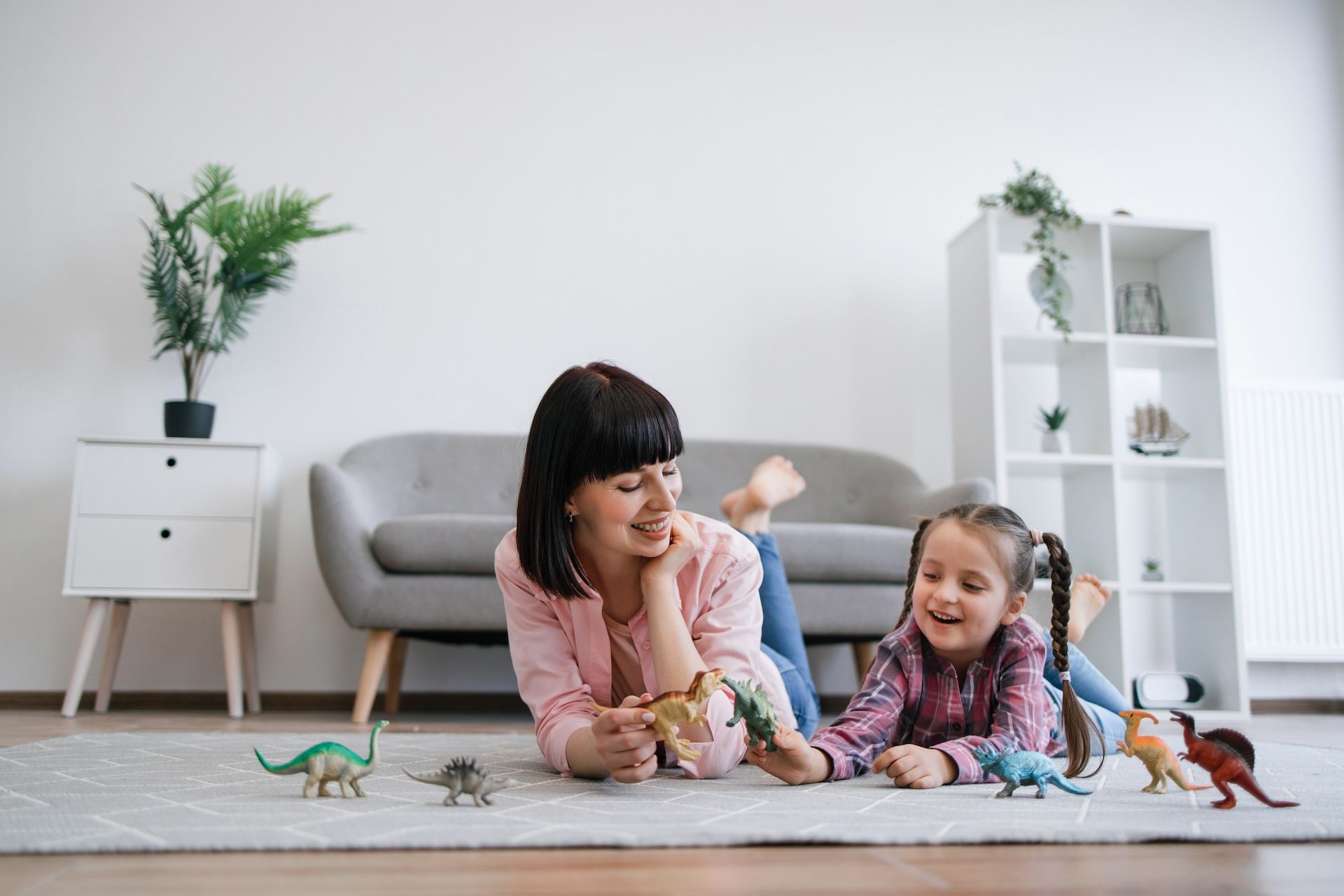
As adults, we often step into particular kinds of roles with children. We can be parents, aunts, uncles. We can be coaches, mentors, teachers. Each role has a set of expectations, often with an unspoken rule that the adult knows best and that children will learn from us.
Yet the roles adults can play in children’s lives can be much more nuanced. We can facilitate, suggest, model, and observe. The world can teach and the adults can serve as guides in a process of learning and discovery.
Be Curious
In the Positive Discipline approach, adults guide growth and learning by asking “curiosity questions.” The key is not to rely on scripted questions but rather to be genuinely curious, perhaps asking questions like:
- How do you feel about what happened?
- What were you trying to accomplish?
- What did you learn?
- How do you think you might use what you learned?
- What ideas do you have for solutions?
Avoiding the question “why?” is also important as it can sound accusatory and can lead to a child feeling defensive.
Sometimes a young person in our life is struggling, perhaps lashing out verbally or doing everything they can emotionally hurt others. If we can wonder what might be behind their behavior, we can shift our approach. We can also be curious about what we want or need in the interaction. For example, sometimes when a young person is struggling, we just want to know how we can help that person feel better. If that is the case, we can ask the question full-heartedly: “What can I do to help you have a better day?”
Shift to Support
When we shift our roles and think about how to learn more about what our children are feeling, thinking, and exploring, we become meaningful guides. Rather than dispensing information, we can help children make discoveries. This is an essential part of what Montessori teachers do each day in our learning communities.
For example, elementary-aged children often make amazing connections in their learning. An elementary student can be ecstatic due to a discovery about the periodic table, as recently happened with a young learner: “Look!” she exclaimed. “Gold has the symbol Au, because the Latin name for gold is aurum. Au for aurum!” Because this young person had discovered this connection on her own, the knowledge was so much more invigorating and inspiring than had an adult instructed her about etymology and periodic table symbols.
Honor the Process
In How Children Learn, John Holt describes children’s process of learning: “The child is curious. He wants to make sense of things, find out how things work, gain competence and control over himself and his environment, and do what he can see other people doing. He is open, perceptive, and experimental. He does not merely observe the world around him. He does not shut himself off from the strange, complicated world around him, but tastes it, touches it, hefts it, bends it, breaks it. To find out how reality works, he works on it. He is bold. He is not afraid of making mistakes. And he is patient. He can tolerate an extraordinary amount of uncertainty, confusion, ignorance, and suspense.”
Children naturally want to figure out the world and themselves. Thus, we can be thoughtful guides through this remarkable world of ours. We can entice. We can inspire. We can show possible paths.
In our Montessori classrooms, we recognize the incredible power in children’s process of experimenting, observing, making mistakes, and experiencing the world around them. Rather than serve as the experts dispensing knowledge, we act as guides.
Curious to see how the role of adults can shift? Schedule a tour to see how we support children in nuanced ways.