5 Ways to Take Learning Outside
5 Ways to Take Learning Outside
It’s that time of year again. The temperature is rising ever so slowly, the daylight is gracing us with its presence a bit more each day, and it feels like the world outside is waking up.
Spring does something amazing for us all.
While we believe in the importance of finding fun ways to be outside all year round, spring seems to pull us there without the need for any convincing.
Parents often ask us how they can support their child’s education at home. We don’t recommend going out and purchasing Montessori materials or recreating what goes on in the classroom environment. The home environment is an entirely different experience, which brings with it a set of unique joys and learning opportunities.
One great way to help children learn is to enrich something they are already doing. Without further ado here are our 5 tips to bring learning outside:
1.Exercise is Self Care and Practical Life
Montessori has a strong focus on practical life, and practical life really boils down to three critical elements: care of the self, care of others, and care of the environment. Considering the first of those three, we believe that spending time outside is one of the most important ways to care for ourselves.
Perhaps one of the most obvious benefits of being outside is the act of literally soaking up the sunshine. Sometimes we forget that being outside is literally necessary for our bodies to create the vitamin D we all need. Many studies have also shown that spending time outside in green spaces has positive effects on our mood.
Another amazing benefit of being outside? Exercise. Children’s outdoor play enables them to joyfully move their bodies, keeping themselves healthy while having fun. When we encourage our kids to play outside, we’re supporting their healthy development - both physically and mentally.
2. Bring On the Botany
A major portion of your child’s Montessori science curriculum focuses on biology, and it all starts with plants. There are two ways you might approach supporting this work at home (or maybe you’ll even want to tackle both): exploring the natural plant life that lives in your area, or gardening.
One way to start is to go to your local library and check out some books. Look for titles that focus on plants, their life cycles, or how they interact with their environments. It might be helpful to borrow titles that reflect your own local ecosystem. Read these together at home, then go out for a walk and see what your child notices. Find a local trail, pack a few snacks and a water bottle, and see where the day takes you.
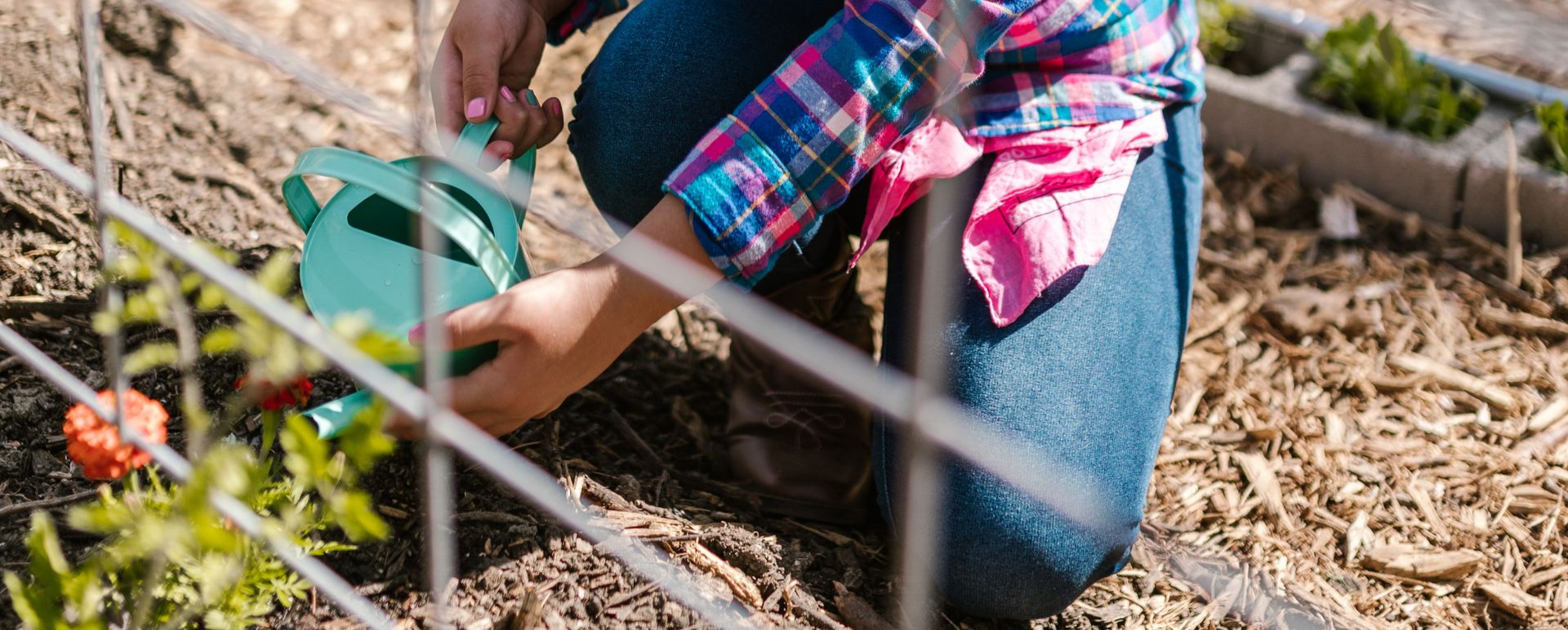
As for gardening, some families choose to keep it small, while others go big. It doesn’t really matter; whatever works for you will help enrich your child’s understanding. Gardening can be simple: Pick up a tomato plant from your local garden center and keep it on your porch. Have your child help water and care for it. They will naturally observe the changes in the plant as it grows and take great delight in the moment they first see a green tomato emerge from where there was once a flower.
Another simple way to try gardening? Purchase one or two small pots (or use whatever containers you have on hand) and plant some seeds. You can pick up some packets of herb or flower seeds just about anywhere this time of year, or you could even use seeds from inside fruit you eat at home. Plant a few with your child, care for them together, and wait for the tiny plant to emerge.
3. Animals Are Everywhere!
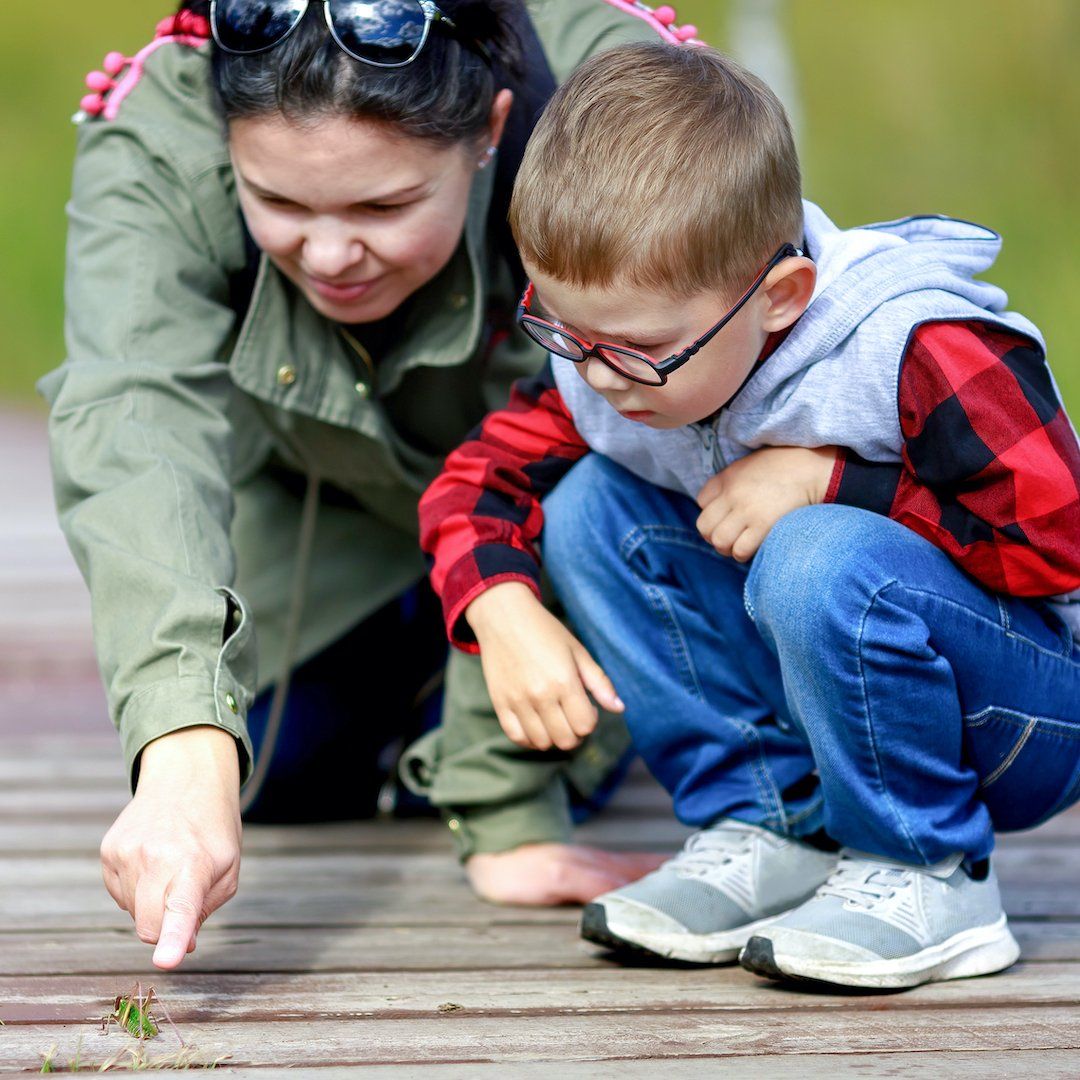
Studying animals is a lot like studying plants. Obviously there are countless differences between the two, but our approach is similar.
For younger (and even older) children, books are the perfect place to start. We love to read about animal migrations, adaptations, life cycles, and how they interact with one another and their environments. Field guides are valuable resources as well. One fun idea is to place a bird feeder outside a window of your home and leave a bird field guide available for your child on the windowsill. Elementary-aged children will especially enjoy looking up different species and learning about them in real-time.
For older children and adolescents, try using an app like Seek. This allows them to tap into their love for technology and devices, while finding ways to pull them outside more and learn about various organisms while they’re at it. The app is simple: users point the phone’s camera at a living thing, and recognition software identifies it for them, as well as gives basic information about the plant or animal. Kids can snap photos of their finds and make a game out of tracking their findings in the app as well.
4. Math On the Go
While the great outdoors very obviously lends itself to scientific areas of study, even math is more fun when you’re not sitting at a desk.
Try this: grab some sidewalk chalk and make a hopscotch-style game with numbers in each square. Kids can jump from square to square and skip count or recite their math facts. Since repetition is one of the keys to memorizing math facts, any small way we can utilize to make this practice fun is absolutely worthwhile.
With young children who love to collect small objects (rocks, pinecones, acorns, etc.), you can help them count or group their findings.
As children get older, walks and hikes might incorporate discussions and observations of metrics such weather, distance, and time.
5. Literature en Plein Air
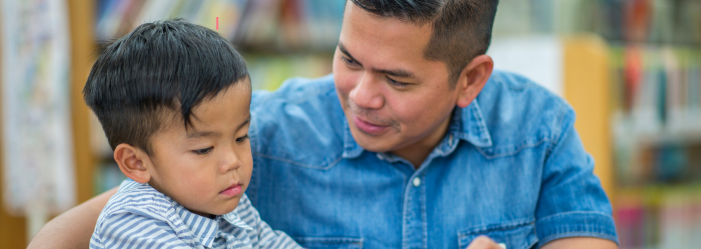
We saved the simplest for last. Grab a blanket and some books. Go outside and find a sunny (or shady) spot. Sit, relax, and soak up that warm, fresh air while you and your child read together.
Have you found any other fun ways to bring learning outside? We always love to hear your experiences, and it helps us find new ways to support other families. Enjoy!