Achieving Economic Independence
Achieving Economic Independence

Adolescents exist between two worlds: they are no longer children but they aren’t yet adults. On this bridge to adulthood, adolescents need opportunities to develop real, meaningful, adult-level skills. They aspire to do what adults do. They are curious about how to make their own way in the adult world.
As adults, we are part of an economic system. Even if we aren't using money to buy something, through our work or our hobbies we produce or consume aspects of culture. In this way, economics is about the web of interdependence we have with other people. We all depend upon the work and activity of others.
Economics and Interactions
If we look at economics as how people offer value in their interactions, as well as the production, distribution, and consumption of services and goods, we can really think about economics as how we organize ourselves in society. Because adolescents are building the skills for stepping into the adult world, it’s important to consider how they are developing their ability to navigate this economic aspect of adult life.
How many of us had the opportunity, as adolescents, to develop the skills necessary for economic independence? How would our lives be different if, as adolescents, we had a support system so we could figure out a fair and reasonable cost for goods we produced, faced the reality of a profit and loss statement, or found our way in navigating the paths of spending, saving, and sharing?
Road to Achieving Economic Independence
Dr. Maria Montessori realized the importance of adolescents developing these kinds of skills. In From Childhood to Adolescence, Dr. Montessori made a bold statement about our approach to education and its impact on the greater society. She stated it clearly: “The essential reform is this: to put the adolescent on the road to achieving economic independence.”
So in Montessori adolescent programs, we offer our emerging young adults the opportunity to learn key skills of production and exchange. We sometimes call this “microeconomy.” The basic idea is that adolescents need opportunities to produce goods and services, and work with money and monetary systems, so they can develop an understanding and appreciation for how economies work and their own role in economic systems.
Real, Meaningful, and Purposeful Work
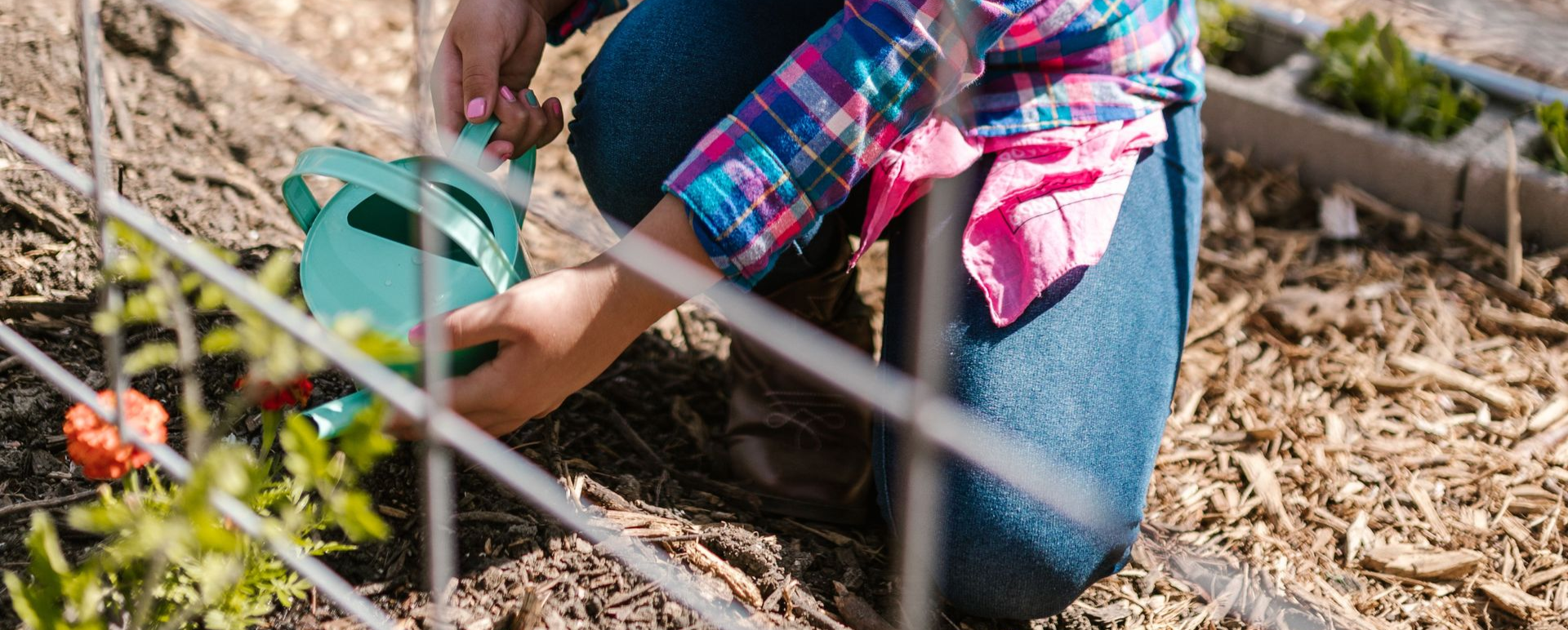
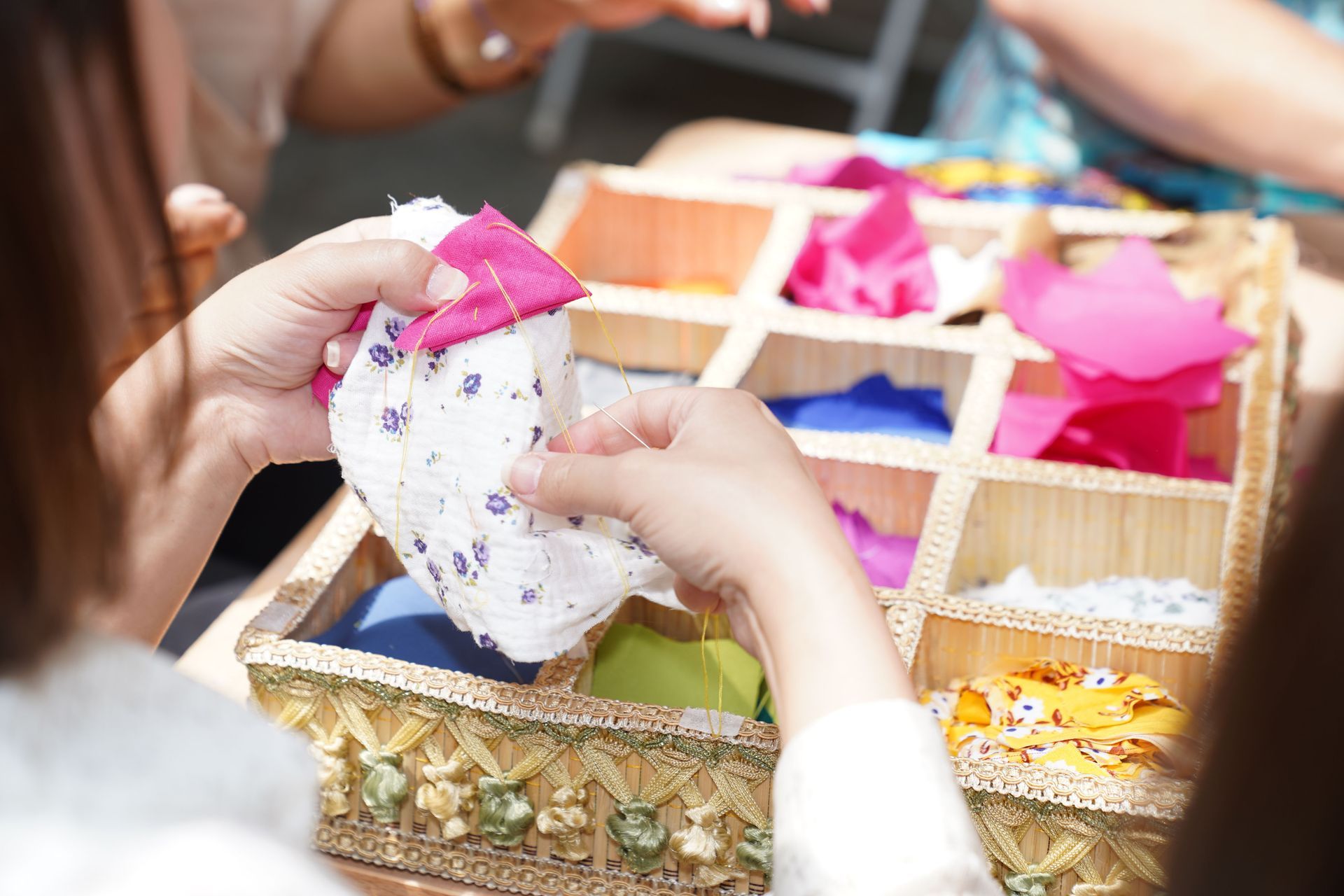
This experience can take many different forms depending upon the community. Whether running a farm stand or a holiday marketplace, adolescents get to learn key skills. They learn to balance profit and loss. They discuss and determine how much money should be reinvested into the business to help it grow or how much money should be reinvested in the greater community. They respectfully listen to their customers’ needs and concerns and incorporate that feedback in useful ways.
In order to have these learning experiences, adolescents need real, meaningful, and purposeful work. Just like young children need to actually prepare food rather than play with a pretend kitchen set, adolescents need actual experiences in creating a business plan, keeping track of income on a spreadsheet, and balancing a budget. They need to practice accounting work so they can build the skills for their own economic independence. They need to have the thrill of handfuls of cash and then face the responsibility of keeping track of those earnings. They need the experience of paying for replacement materials when they have overused key supplies. If they have developed some savings and want to invest the money, they need to find opportunities that align with their values.
Preparing for Adult Life
Too many of our young people enter the world of adult lives without having experienced their role in an economy (perhaps other than being consumers!). Economic independence is a key part of preparing for adult life. We want our adolescents to step into maturity with confidence that they can independently navigate their new responsibilities and roles. If we give adolescents the opportunity to learn how to have a sound basis for their economic decisions, imagine where they will be when they are adults and making decisions that affect broader aspects of society!