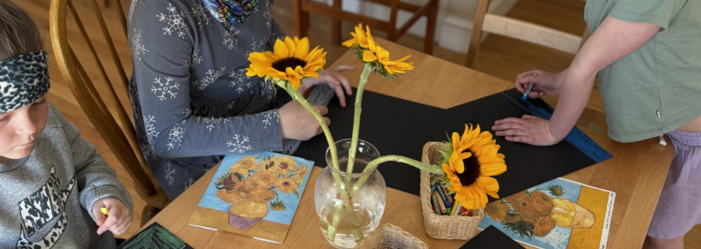
Cape Cod Farm-to-Table Summer Camp: Where Kids Discover the Journey From Soil to Table
Cape Cod Farm-to-Table Summer Camp: Where Kids Discover the Journey From Soil to Table
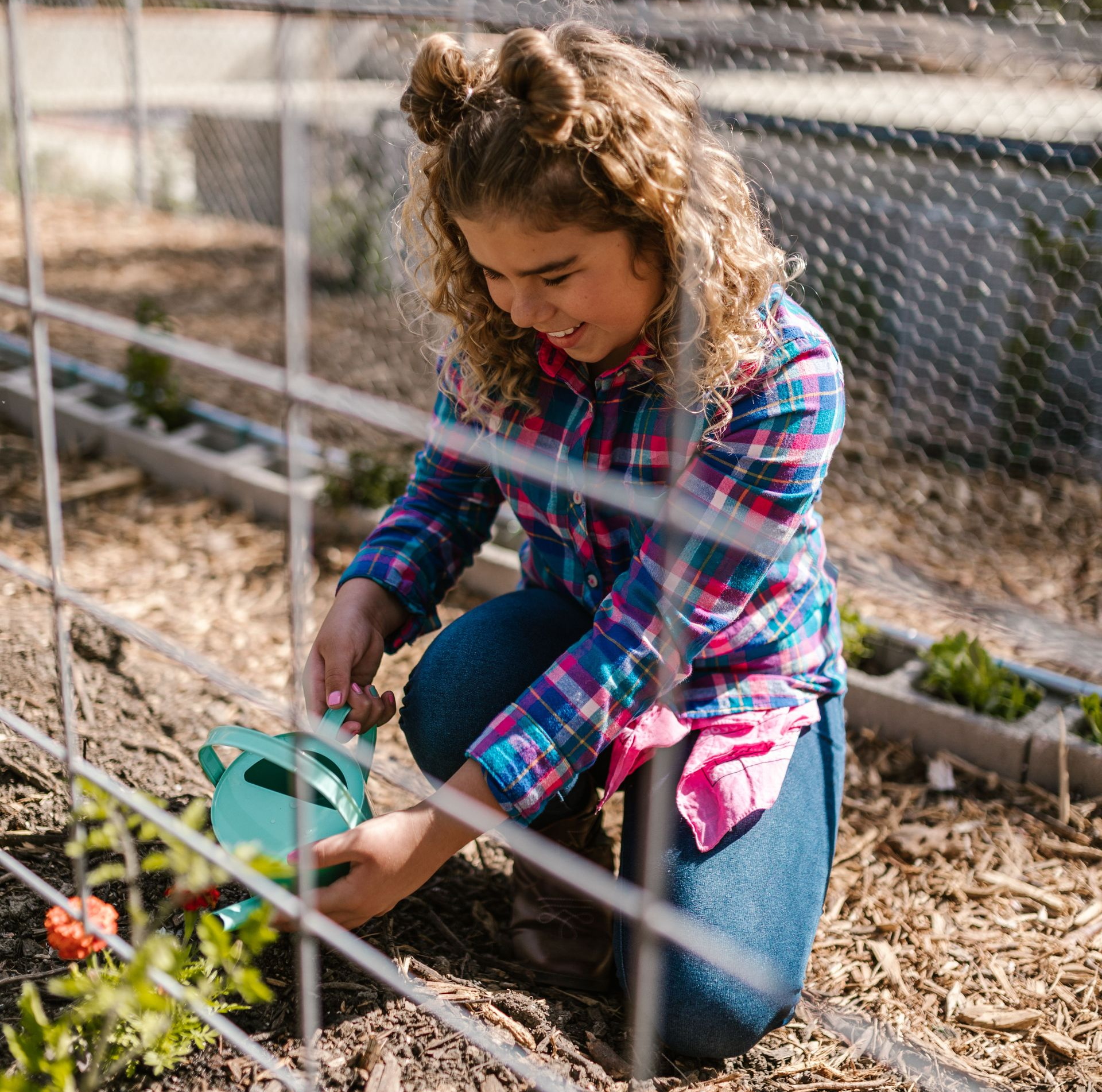
Picture your child harvesting fresh herbs from the garden, preparing a simple meal from scratch, chatting with a local Cape Cod farmer, and confidently selling something they helped grow and make at a real community Farm Stand. By the end of the week, they'll have a deeper appreciation for where food comes from and a new confidence in what they can accomplish through a Cape Cod Farm-to-Table Summer Camp.
Cape Cod is known for its farms, farmers' markets, and fresh seasonal produce, but many children have little opportunity to see how food moves from the soil to their plates. From Farm to Table was created to change that. Throughout this immersive week, children will harvest from the Sandwich Montessori School garden, cook with fresh local ingredients, and discover that food doesn't simply appear at the grocery store - it is grown, cared for, prepared, and shared with a community.
Why Cape Cod Parents Are Choosing a Farm-to-Table Summer Camp That Asks Where Food Really Comes From
Parents are choosing our Farm-to-Table summer camp because it helps children develop a deeper understanding of the food they encounter every day. In a world where many children have little connection to how food is grown, harvested, and prepared, this experience helps them develop a greater appreciation for what they eat, where it comes from, and the people who produce it. The result is often a child who is more curious, more confident, and more willing to engage with food in meaningful ways.
Farm-to-Table Is Already Part of Life on Cape Cod
Drive almost any road on Cape Cod in the summer and you'll pass a farm stand. Some are tucked at the end of a farm driveway with a hand-painted sign. Others anchor the center of a town, stacked with fresh corn, tomatoes, herbs, and flowers grown just down the road. Cape Cod has a long and living tradition of local agriculture, and families here are closer to where their food comes from than almost anywhere else in New England.
From Farm to Table builds directly on that tradition. The visiting farmer who joins the program on Day 2 is part of this same community - someone who grows food on Cape Cod soil and brings that knowledge, those ingredients, and that story directly into the classroom. When children learn that the herbs they're harvesting from the SMS garden and the produce arriving from a local farm are part of the same local food culture they pass on the way to the beach, the whole experience becomes more real. They're not learning about farm-to-table in the abstract. They're living a version of it that exists right outside the door.
What a Week of Real Food Will Actually Do for Your Child
Throughout the week, children experience every step of that journey firsthand. They harvest vegetables and herbs from the Sandwich Montessori School garden, meet a local Cape Cod farmer, prepare simple recipes using fresh local ingredients, and help run a real community farm stand. By participating in every stage of the process, they begin to understand the connection between the soil, the farmer, the cook, and the community, and discover that food doesn't simply appear on a grocery store shelf - it is grown, cared for, prepared, and shared.
A week of real food changes the way children think about what they eat. By harvesting ingredients from the SMS garden, learning from a visiting Cape Cod farmer, preparing meals from scratch, and sharing what they've created with others, children gain a firsthand understanding of the journey food takes before it reaches their plates. They begin to see that food doesn't simply appear at the grocery store — it is grown, tended, harvested, prepared, and shared by real people. Most importantly, they discover that they can be part of that journey too.
A New Relationship With What They Eat
This hands-on experience often changes the way children think about what they eat. They become more curious about ingredients, more willing to try new foods, and more interested in helping with meals at home. When children have harvested the herbs, mixed the dressing, or helped prepare the vegetables themselves, food becomes something they understand and take pride in rather than something that simply appears on their plate.
Real Cooking Skills
Many children can follow a recipe. Far fewer understand how ingredients work together or feel confident creating something from scratch. Throughout the week, children learn practical kitchen skills by harvesting fresh ingredients, preparing simple recipes, measuring, mixing, tasting, and making decisions about the food they create.
By Friday, parents can expect more than a child who helped make a few snacks. Children leave with the confidence to prepare simple foods on their own, talk knowledgeably about ingredients, and explain how a recipe comes together from start to finish. Because every recipe is written in their own words in their farm journal, they also leave with a personal collection of foods they can recreate and share with their families at home.
Confidence in Front of Real Customers at the Farm Stand
Many summer programs end with a showcase. This week ends with something far more meaningful: real conversations with real customers. On Friday afternoon, children step into the role of farmer, maker, and vendor as they open the SMS Farm Stand to families and community members. They greet customers, explain how products are grown or made, answer questions, discuss ingredients, and assist with sales.
Many of the changes that begin during the week continue long after the program ends. Children become more curious about ingredients, willing to try unfamiliar foods, and interested in helping in the kitchen or garden at home.
How the Week Unfolds - From the SMS Garden to a Community Farm Stand
From Farm to Table follows a natural progression that helps children understand every stage of the food journey. The week begins in the SMS garden, where children explore how food grows and what plants need to thrive. As the days unfold, they learn from a visiting Cape Cod farmer, harvest fresh ingredients, prepare foods from scratch, and begin transforming their work into products for a real Farm Stand. By Friday afternoon, they are ready to share what they have grown, made, and learned with families and members of the Cape Cod community.
Days 1 & 2 - Soil, Seeds, and a Visiting Cape Cod Farmer
The week begins in the SMS garden. Children explore the campus's growing spaces, observe what is already thriving, and begin to ask an important question: What does food need to grow? They test the soil, plant their own microgreens to take home, and start a farm journal to record observations, sketches, recipes, and reflections throughout the week.
On Day 2, the learning becomes even more personal as a visiting Cape Cod farmer joins the program. Children meet someone who grows food for a living, learn which foods are local and seasonal, and discover what farming on Cape Cod is really like. They explore fresh produce, identify herbs from the garden, and prepare a simple dish using ingredients supplied by the farmer. By the end of the second day, children have begun to connect the food on their plates to the people and places that produce it.
Days 3 & 4 - From-Scratch Cooking and Farm Stand Preparation
By mid-week, children are ready to move from harvesting to creating. Using ingredients from the SMS garden and the farmer's produce, they prepare simple foods from scratch, such as herb-infused dressings, kale chips, compound butter, and quick-pickled vegetables. Rather than following recipe cards, children document each recipe in their own words as they learn how fresh ingredients can be transformed into something delicious and nourishing.
On Thursday, attention turns to the Farm Stand. Children package products, create handwritten labels, and help determine fair prices for the items they will sell. They also learn how to greet customers, explain what they have made, and prepare for the real conversations that will take place the following day. What began as seeds, herbs, and vegetables is now becoming something ready to share with the community.
Day 5 - Farm Stand Day (Open to the Cape Cod Community)
Friday is the culmination of the entire experience. Children spend the morning making final preparations, packaging products, setting up displays, and rehearsing how they will share their knowledge with visitors. In the afternoon, the SMS Farm Stand opens to families and members of the Cape Cod community.
As customers arrive, children step into the roles of farmers, cooks, and vendors at their very own Farm Stand. They explain how products were grown, describe ingredients, answer questions, and help complete sales. As proceeds begin to come in, children see firsthand how their efforts support the garden they have worked in all week. Every purchase helps fund future growing seasons, allowing the SMS garden to continue providing hands-on learning opportunities for future campers.
By the close of the SMS Farm Stand, children have experienced every step of the process, from planting and harvesting to preparing products and serving customers. For many, seeing community members purchase and enjoy the products they helped create is a memorable end to the week.
The SMS Garden - Planted Weeks Ago, Just for This Week
One of the most unique aspects of the Cape Cod Farm to Table Summer Camp begins long before children arrive on Monday morning. Weeks earlier, the SMS garden is carefully planted and tended so that children can experience a thriving growing space during their time at camp. Rather than planting seeds and imagining what might happen in the future, children step into a garden already alive with herbs, greens, vegetables, and edible flowers, ready to be explored, harvested, and enjoyed.
For parents, this means children can immediately begin making meaningful connections between the garden and the kitchen. They can identify fresh herbs growing in the soil, harvest ingredients that will later appear in recipes, and observe firsthand how plants change and grow throughout the season. At the same time, each child plants their own tray of microgreens to take home, giving them the opportunity to continue the learning long after the week ends.
The garden is more than a backdrop for the program - it is the foundation of the entire experience. Every recipe, harvest, observation, and farm stand product begins with something growing in the SMS garden. By spending time in a space prepared specifically for them, children gain a deeper appreciation for the care, patience, and planning that food requires long before it reaches the table.
Three Ways to Join From Farm to Table This Summer
Whether your child wants to spend part of the day in the garden and kitchen or immerse themselves in the full farm-to-table experience, there is an option that fits your family's schedule. All three enrollment paths connect children to the week's central journey: growing, harvesting, cooking, and understanding where food comes from.
Morning Studio - $325 (8:30 AM – 12:30 PM)
The Morning Studio is the heart of the From Farm to Table experience. Children spend their mornings in the SMS garden and kitchen, harvesting ingredients, learning from a visiting Cape Cod farmer, preparing food from scratch, and documenting their discoveries in their farm journals. This option is ideal for families seeking a rich, hands-on experience that combines gardening, cooking, science, and practical life skills.
Afternoon Brain Lab - $200 (12:30 – 3:00 PM)
The Afternoon Brain Lab takes a deeper dive into food science, agriculture, and innovation. Children tackle hands-on challenges, investigate how plants grow, experiment with ingredients, and explore the science behind what happens in the garden and kitchen. Activities may include soil investigations, food innovation challenges, and creative problem-solving projects inspired by the morning's work.
Full Immersion - $525 (8:30 AM – 3:00 PM)
For children who want the complete experience, Full Immersion combines both the Morning Studio and Afternoon Brain Lab. Students spend the entire day moving between the garden, kitchen, and learning studio as they build toward Friday's Community Farm Stand. From planting microgreens and identifying herbs to creating products, designing labels, and serving customers, Full Immersion allows children to experience every stage of the journey from soil to stand.
Dates, Location, and What's Included
From Farm to Table runs August 3–7, 2026, at Sandwich Montessori School in Sandwich, MA and is open to children ages 7–14. Throughout the week, children harvest from the SMS garden, cook with fresh ingredients, learn from a visiting Cape Cod farmer, and prepare for Friday's Community Farm Stand.
Every child takes home a pot of microgreens they planted, a jar of something they made, and their farm journal filled with recipes, observations, sketches, and reflections from the week. Families can also take pride in knowing that all proceeds from the Friday Farm Stand are reinvested into the SMS garden to support future growing seasons.
Visiting Cape Cod the Week of August 3rd? This Fits Right Into Your Trip.
If your family is spending a week on Cape Cod and you're looking for something meaningful for your child to do, From Farm to Table is worth a look. SMS is flexible and genuinely happy to welcome visiting families - whether your child joins for the Morning Studio (8:30 AM–12:30 PM), the Afternoon Brain Lab (12:30–3:00 PM), or both.
That means your child can spend the morning harvesting from a real garden and cooking with a Cape Cod farmer, then meet you for an afternoon at the beach. Or they can enjoy a free morning exploring the Cape and drop into an afternoon of food science and farm stand prep. Either way, the rest of your day stays yours.
There's something especially fitting about a farm-to-table experience on Cape Cod — a place where farm stands line the roadsides all summer long. Your child will drive past those stands differently on the way home.
Questions Parents Ask Before Signing Up
What exactly does my child take home?
More than most families expect. Every child leaves on Friday with the pot of microgreens they planted on Day 1, a jar of something they made during the week, and their farm journal - a personal record filled with recipes written in their own words, sketches, observations, and reflections from each day. The farm journal alone is something many families hold onto for years. On top of that, children leave with the practical ability to recreate the recipes they learned and a whole new way of thinking about the food they eat every day.
Register for From Farm to Table - August 3–7
From Farm to Table runs August 3–7, 2026, and space is limited. Register here to save your child's spot.
From Farm to Table is one of six themed experiences in the SMS Summer Program. Explore the full lineup of summer experiences, session dates, and enrollment options to find the program that best matches your child's interests.