
10 Titles That Support the Montessori Biology Curriculum
Sandwich Montessori Team • May 17, 2021
10 Titles That Support the Montessori Biology Curriculum
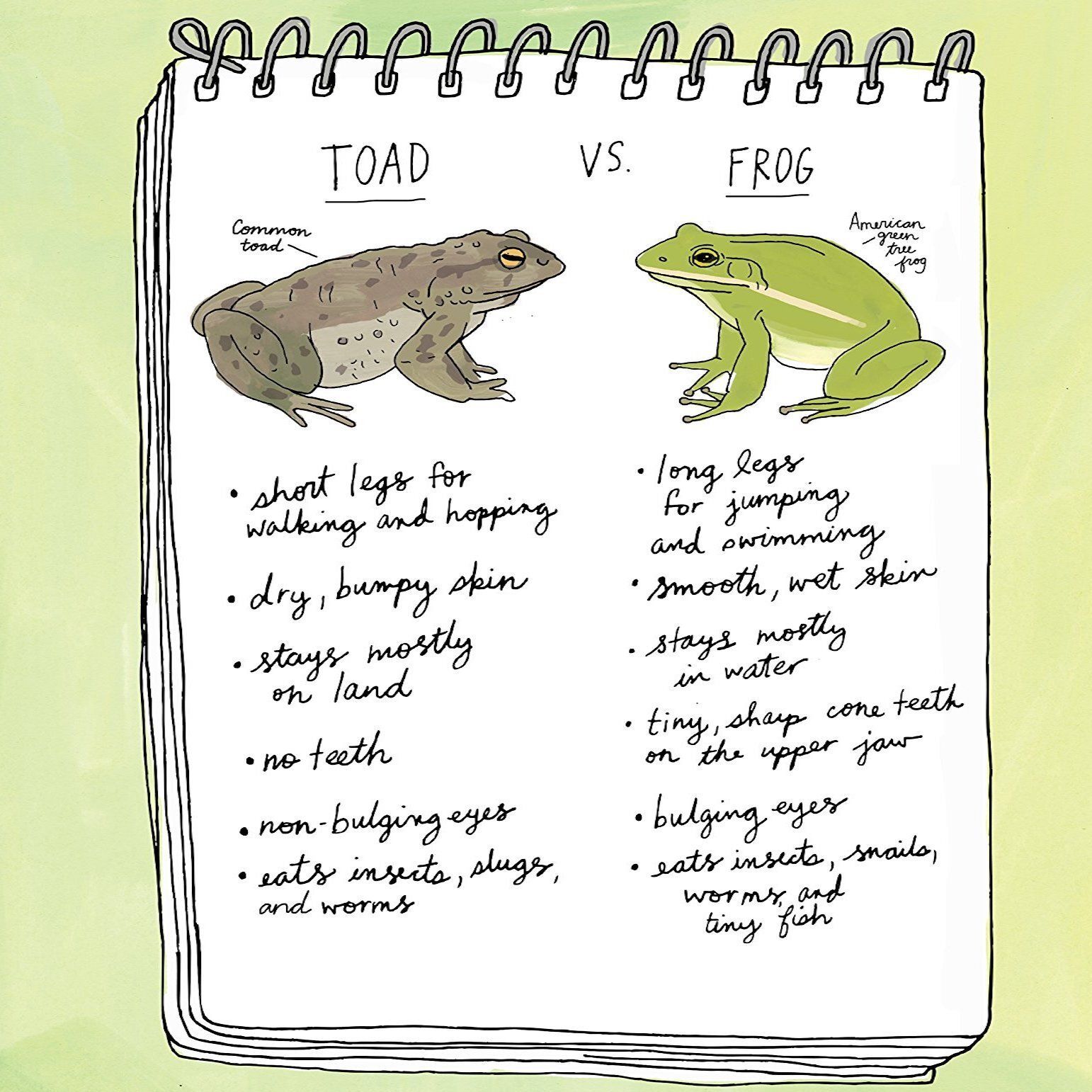
Kids love animals. They are fascinating with domesticated and wild ones alike, and they soak up everything they can possibly learn about them. That’s why we know it’s important to teach our young children about biology; they are already craving the information, after all. Why wait to start until they’re in high school?
In Montessori primary classrooms, children learn all about the differences between living and nonliving things. They learn about vertebrates and invertebrates, and about animals in different biomes around the world. They explore the basics of caring for plants and often enjoy gardening. During the elementary years this work explodes, including classification of living things with a focus on the five classes of vertebrates, as well as an in-depth study of botany. As Montessori students progress through the levels, the study continues to deepen.
Books are an excellent way to support children’s interests, and this includes the study of biology. Today we share a wide variety of titles for kids of all ages. We hope you and your family find something to enjoy together!
About... Vertebrates Set by Cathryn Sill, illustrated by John Sill
Very simple sentences will appeal to younger children and emerging readers. This set includes one book each for fish, amphibians, reptiles, birds, and mammals and factual information such as: “Baby mammals drink milk from their mothers.”
Pollination Set by Candice Ransom and Jennifer Boothroyd
This set is very similar to the above set about vertebrates. There are five books in total, and titles include Parts of a Flower, Self-Pollination, Cross-Pollination, Insect Pollinators, and Animal Pollinators. Children in the primary grades through approximately first grade would enjoy exploring these books.
Nature Anatomy by Julia Rothman and John Niekrasz
This fantastic reference book echoes the experience of Montessori nomenclature cards. The pages cover a wide variety of living things with gorgeous illustrations that are carefully labeled. The information inside goes hand in hand with the Montessori curriculum, and children will pour over each page.
Bones by Steve Jenkins
This Caldecott Award winner is just plain fun. Pull-out pages with large skeletal drawings, detailed illustrations of many different types of bones, and fascinating, kid-friendly text make it a favorite among elementary-aged children.
From Lava to Life: The Universe Tells Our Earth Story by Jennifer Morgan, illustrated by Dana Lynne Andersen
This second in a trilogy, and the continuation of the beloved book Born With a Bang, From Lava to Life tells about the beginning of life on earth and the evolution of many organisms on our planet. Narrated by the universe, it fits perfectly alongside the Montessori cosmic education curriculum and the great lessons.
Mammals Who Morph: The Universe Tells Our Evolution Story by Jennifer Morgan, illustrated by Dana Lynne Andersen
Following From Lava to Life, Mammals Who Morph is the final book in Morgan’s trilogy. An excellent addition to any lower or upper elementary child’s personal library, in this tale the universe teaches readers about the evolution of mammals - including humans.
Wildflowers Fandex
While this fandex isn’t a traditional book, sometimes it can be fun to switch things up. Just because reading comes in different formats, that doesn’t make it any less valuable! This portable field guide-style reference tool is fun for children of all ages, whether they read it inside on a cold day or take it along on a nature walk to identify the flowers they find.
Life Cycles: Everything From Start to Finish
Another great text for lower elementary-aged children, each two-page spread illustrates and describes the life cycle of different living things. There are also pages early in the book that discuss the important ‘life cycles’ of certain non-living things, such as the creation of the universe and the formation of Earth’s physical features.
Super Simple Biology: The Ultimate Bitesize Study Guide
We tend to think you can’t lose when it comes to DK nonfiction books, and this one is no exception. Best for adolescents, its in-depth yet simple explanations about biology will help those who are learning, or delight those who are already interested. Charts, diagrams, and accurate illustrations help highlight the information the text aims to teach.
The Biology Coloring Book by Robert D. Griffin, illustrated by Cinthea Vadala
This is exactly the type of learning material used by high school and college biology students, making it perfect for older Montessori students. Filled with interesting and helpful information, readers use different colors to help remember the various parts and systems of living things.

Still not sold on Montessori? Get honest answers about the real benefits of Montessori education: academic rigor, independence, discipline, and more.

Discover a flexible Montessori Middle School on Cape Cod for 7th & 8th graders. Study on campus or online from anywhere. Explore courses and enrollment options.
Harvest, cook, and run a real farm stand. From Farm to Table is a hands-on Cape Cod summer camp for kids ages 7–14. August 3–7 at Sandwich Montessori School.
Is your child the kid who always asks 'how does that work? Inventors Arena is a hands-on STEM camp on Cape Cod for curious kids ages 7–14. July 27–31.
Natural dyeing, hand stitching, and upcycling a thrift-store find. Stitch, Dye & Design is a hands-on maker camp on Cape Cod for ages 7–14. July 20–24.
Watercolor, printmaking, clay, and a Friday gallery show. Create Like an Artist is a fine art camp on Cape Cod for kids ages 7–14. Led by a practicing artist.
Discover Minecraft Summer Camp on Cape Cod at Sandwich Montessori School. Ages 7–14 build, collaborate, and solve engineering challenges through Minecraft.

How to pick the right summer camp for your child on Cape Cod!

Discover the Montessori approach to play and see how purposeful, hands-on work supports independence, focus, and joyful learning.
Discover spring break activities for families with simple, screen-free ideas that inspire creativity, connection, and outdoor fun at home.