
The Timeline of Life: A Quintessential (and really cool) Montessori Material
Sandwich Montessori Team • May 24, 2021
The Timeline of Life: A Quintessential (and really cool) Montessori Material
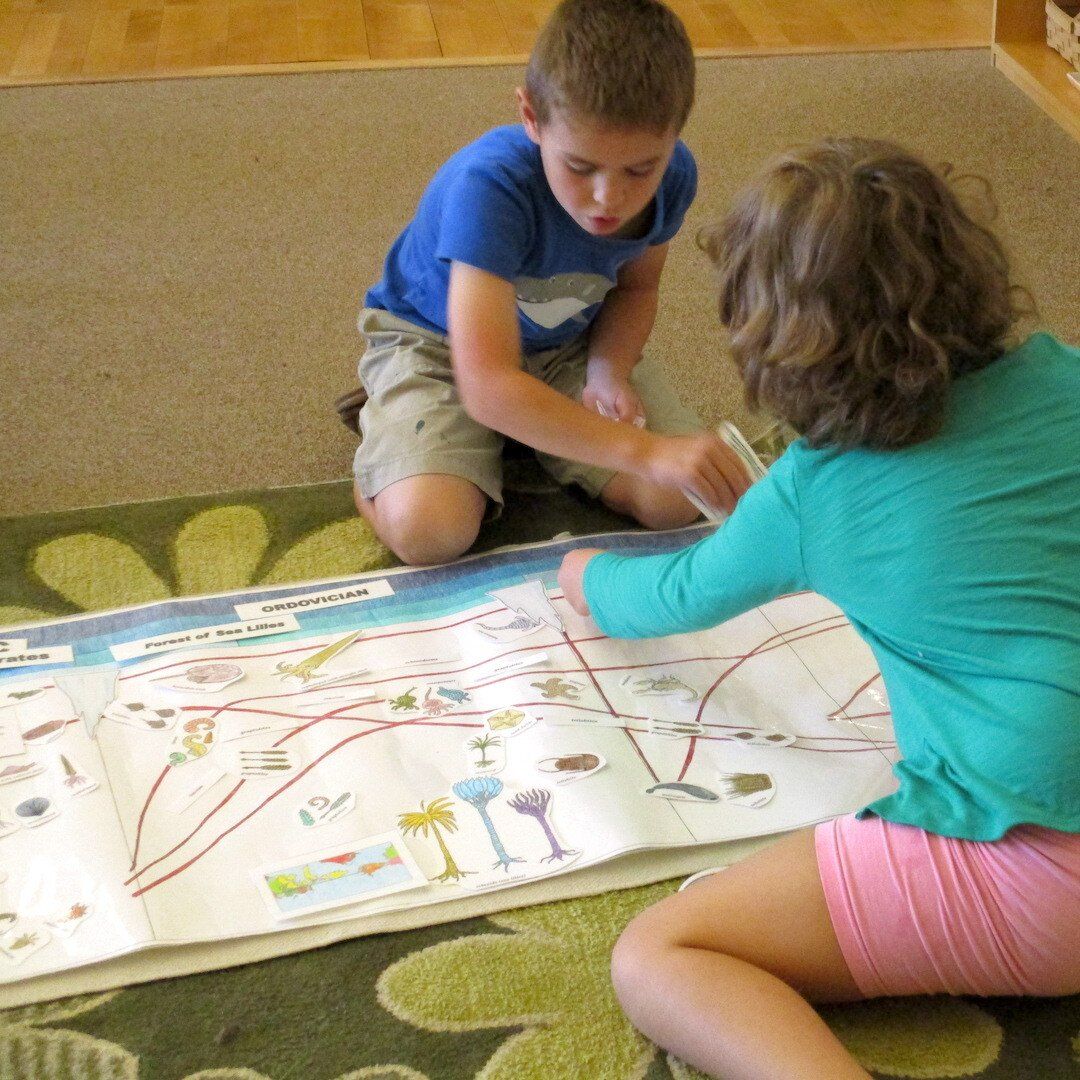
For children in Montessori elementary classrooms, the Timeline of Life is an incredibly exciting material. It’s equally as awe-inspiring for their teachers, and parents who learn about it as well. That’s why we’d like to take a little time to share a little bit about it, and why we all love it so much.
Montessori educators know that children (and even many grown-ups) learn more effectively when they can see and touch whatever they are learning about. If a learning material is visually stunning, we cannot help but get sucked in, and find ourselves driven to discover whatever we can about it.
The Timeline of Life is exactly what it sounds like: a visual timeline that displays the evolution of life on Earth. There are all manner of exotic and familiar creatures, as well as lines showing their rise and fall across the eras, moments of geological significance that served to alter evolution, and notations of periods of mass extinctions. The earliest versions of this material were created by Montessori educators while in their training; they meticulously colored each organism with the hopes of making something beautiful that would last throughout their careers and inspire hundreds of children.
Today trainees receive a gorgeously color-printed copy which they laminate and take great care of over the years. There are several companies that produce the timeline as well. As you might imagine, it is not the type of material that totally stands the test of time; as new archaeological discoveries are made our understanding of evolution changes. This means that every so often, the timeline is remade to reflect the most current scientific understanding.
At the very least, an elementary classroom will have the timeline displayed with lessons each year explaining its contents. Some classrooms have various supporting materials, including blank timelines with laminated organisms that the children can arrange, or real fossils that correspond to each period of time the students are learning about.
Curious about what the timeline covers, exactly? Here’s a quick summary:
As mentioned above, bold lines arc their way across the timeline demonstrating lineage and the rise and fall of prominence of certain major species.
Icicles illustrate moments of great ice ages that spread across the planet.
Mountains perched at the base of timeline, as well as small illustrations of continent formation, show how the shifting of the earth’s crust contributed to evolution.
Also mentioned above, the timeline documents the numerous mass extinctions that have occurred.
Across the top of the timeline we see the significant periods of time in which life has evolved on Earth.
The Paleozoic Era includes the Cambrian Period, the Ordovician Period, the Silurian Period, the Devonian Period, the Carboniferous Period, and the Permian Period. This all took place between about 544 and 245 million years ago. It included significant organisms such as the earliest vertebrates, the trilobites, and a wide variety of ocean-dwelling invertebrates. Plants slowly began to form in, and eventually out of, the water, doing the important work of filtering carbon dioxide out of the air and preparing the atmosphere for different types of life that were to come. Fish ruled the seas and amphibians came into being. Toward the end of this time, insects developed the ability of metamorphosis, which allowed for much greater chances of survival.
The Mesozoic Era was between 245 and 65 million years ago, and included the Triassic Period, The Jurassic Period, and the Cretaceous Period. Of course, this is the much-beloved time of the dinosaurs. These enormous ancient reptiles capture the fascination of most children, and to gain a deeper understanding of how and why they changed over time opens new worlds. During this time conifers developed, and by the end of the era Earth had flowering plants. The very first birds and mammals came into existence during this time, although they were quite different from modern species.
As amazing as the previous two eras were, it’s often the Cenozoic Era (65 million years ago to the present) that makes the biggest impression. Children are able to look back at the timeline and understand that this is only a small portion of Earth’s history due to other lessons and materials they have experienced previously. Across the span of this evolutionary record, it quickly becomes clear that humans occupy a very small portion. To imagine all of humanity throughout time, and then to realize that it has been but a speck in the larger picture, is an incredibly humbling and eye-opening revelation to children.
So, you might be wondering: what is the purpose of teaching children about all of this.
There are the more obvious goals such as an understanding of history and the scientific discoveries we’ve made. Having a historical frame of reference makes our botany and zoology curriculums all the more relevant to children. But perhaps the most important learning we hope our students glean is what we mentioned above.
The absolutely marvelous manner in which living things have evolved alongside the earth is a powerful concept to understand. It is just one more way we can impart the idea that everything is interconnected, that our history is one to be celebrated and revered, and that it will be fascinating to watch as our future unfolds.

Still not sold on Montessori? Get honest answers about the real benefits of Montessori education: academic rigor, independence, discipline, and more.

Discover a flexible Montessori Middle School on Cape Cod for 7th & 8th graders. Study on campus or online from anywhere. Explore courses and enrollment options.
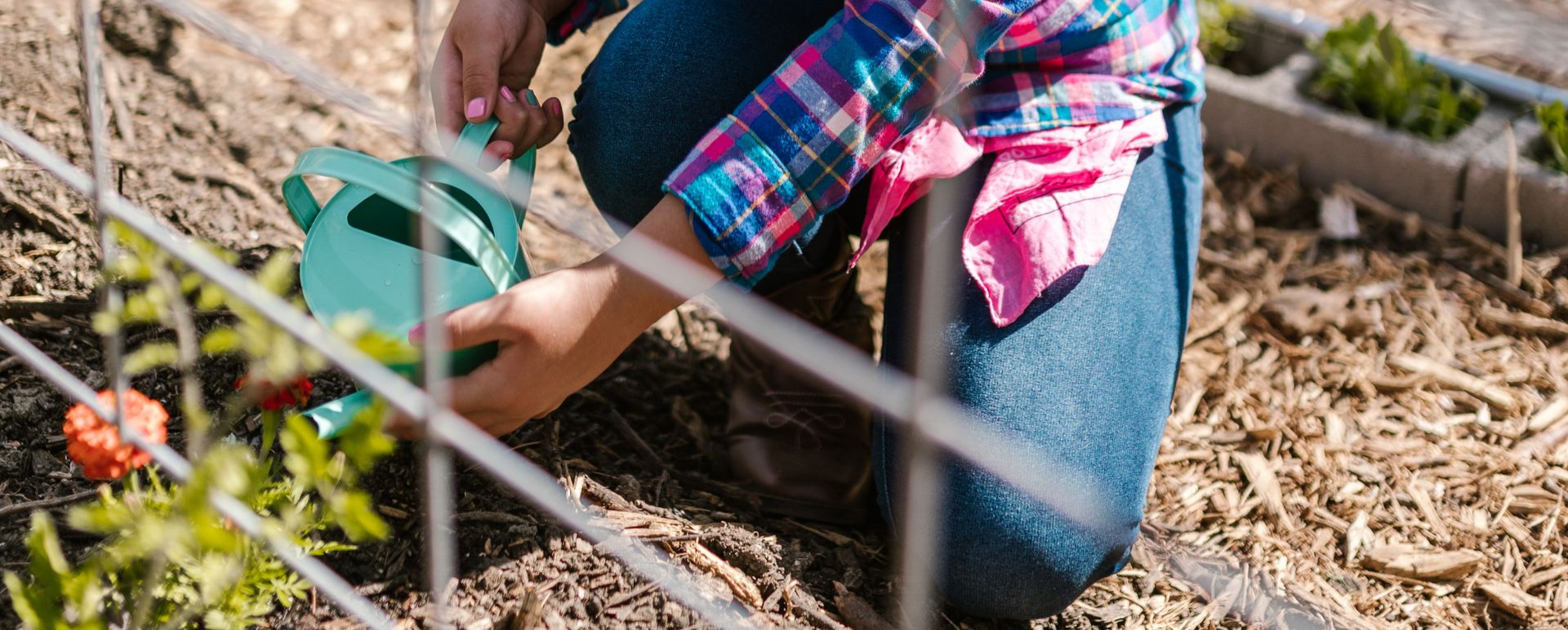
Harvest, cook, and run a real farm stand. From Farm to Table is a hands-on Cape Cod summer camp for kids ages 7–14. August 3–7 at Sandwich Montessori School.
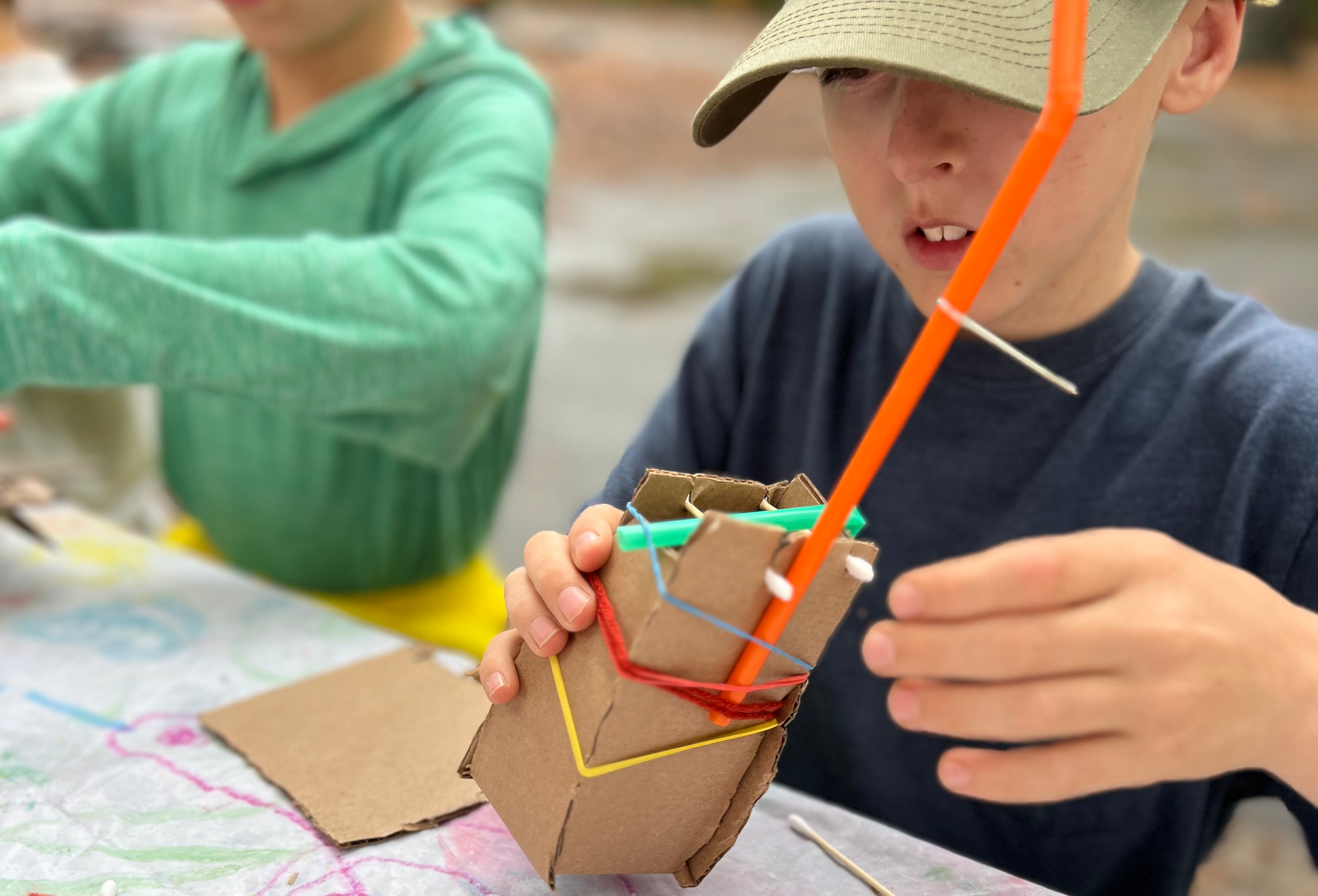
Is your child the kid who always asks 'how does that work? Inventors Arena is a hands-on STEM camp on Cape Cod for curious kids ages 7–14. July 27–31.

Natural dyeing, hand stitching, and upcycling a thrift-store find. Stitch, Dye & Design is a hands-on maker camp on Cape Cod for ages 7–14. July 20–24.
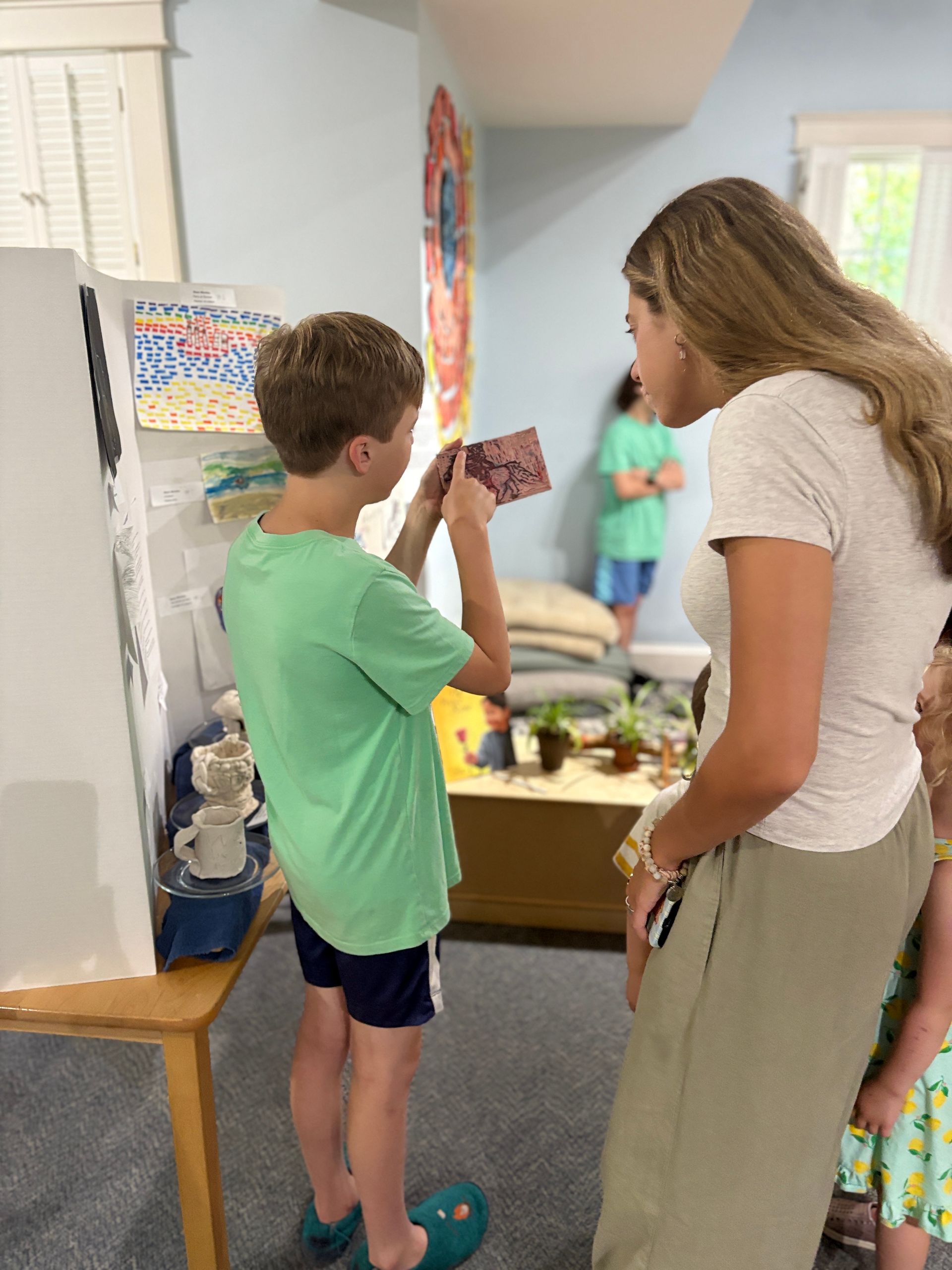
Watercolor, printmaking, clay, and a Friday gallery show. Create Like an Artist is a fine art camp on Cape Cod for kids ages 7–14. Led by a practicing artist.

Discover Minecraft Summer Camp on Cape Cod at Sandwich Montessori School. Ages 7–14 build, collaborate, and solve engineering challenges through Minecraft.

How to pick the right summer camp for your child on Cape Cod!

Discover the Montessori approach to play and see how purposeful, hands-on work supports independence, focus, and joyful learning.
Discover spring break activities for families with simple, screen-free ideas that inspire creativity, connection, and outdoor fun at home.