Benefits of Montessori Education: What Every Skeptical Parent Wants to Know
Benefits of Montessori Education: What Every Skeptical Parent Wants to Know
If you're reading this, there's a good chance someone handed it to you.
Maybe it's your wife. Maybe it's your husband. Maybe it's your partner who has been talking about this school for weeks, came home from the open house completely convinced, and keeps trying to explain it in a way that just hasn't quite clicked for you yet.
If that's you, the one who's still not sure, this article is written for you. You're not behind for not knowing about Montessori. Most people aren't familiar with it before they have kids, and even fewer grew up going to a Montessori school. It is genuinely different from what most of us experienced, and that difference is exactly what makes it hard to evaluate from the outside.
Here's the thing we see at Sandwich Montessori School all the time: one parent comes in completely sold, and the other is politely skeptical. Sometimes it's the dad who's not convinced. Sometimes it's the other partner. Sometimes one person is ready to enroll tomorrow and the other has a running list of questions they haven't even asked out loud yet.
That dynamic is completely normal, and it's actually a healthy sign that you're both taking this seriously.
What makes it harder is that visiting a Montessori classroom doesn't always clear things up. You walk in and it doesn't look like the school you remember. Kids are moving around. They're choosing their own work. The teacher isn't standing at the front of the room directing everyone. And if you grew up sitting in rows and taking tests, your gut reaction might be:
Where's the structure? What are they actually learning?
Those are the right questions to be asking. They're also the ones we're going to answer here.
The benefits of Montessori education are real, they are well-documented, and they're worth understanding before you make a decision either way. This isn't a sales pitch. It's an honest walkthrough of the most common questions we hear from parents who aren't sold yet, and what Montessori actually looks like in practice.
What Are the Benefits of Montessori Education?
At its heart, Montessori helps children do more for themselves while building confidence, responsibility, concentration, practical life skills, and strong academic foundations through hands-on learning. Children also learn to solve problems, think critically, communicate, cooperate, and contribute to their community. Over time, these experiences are what nurture genuine curiosity and a love of learning.
That's the summary. The rest of this article is what that actually looks like day to day, because "hands-on learning" and "love of learning" are phrases that can mean almost anything, and you deserve more than that. For a broader overview of what sets Montessori apart from other approaches, the
Why Montessori page covers the philosophy in depth.
Famous People Who Attended Montessori Schools
If you're the skeptical parent, here's a piece of information that tends to land differently than any explanation of philosophy: Montessori education has produced some of the most creative, entrepreneurial, and independent thinkers of the last century.
Jeff Bezos, founder of Amazon, attended Montessori school as a young child. In interviews, his parents have described how his teachers often had to move him from one activity to the next because he was too absorbed in what he was working on to stop.
Larry Page and Sergey Brin, the co-founders of Google, have both publicly credited Montessori education with shaping the way they think. In a 2004 interview, Brin said: "We both went to Montessori school, and I think it was part of that training of not following rules and orders, and being self-motivated, questioning what's going on in the world and doing things a little bit differently."
Taylor Swift attended Montessori preschool. So did
Beyoncé.
Prince William and Prince Harry attended Montessori nursery school.
Anne Frank attended a Montessori school in Amsterdam.
Jacqueline Kennedy Onassis was a Montessori student.
Jimmy Wales, the founder of Wikipedia, has credited his Montessori education as a significant influence on his thinking.
The common thread across all of these people isn't just success. It's curiosity, self-direction, and the ability to think differently about hard problems. Those aren't traits that come from memorizing facts for a test. They come from years of being trusted to explore, question, and figure things out.
That's what Montessori is building toward.
What Is Montessori Actually?
Montessori Isn't Just a Different Kind of Preschool
This is one of the most common misconceptions we run into. People hear "Montessori" and assume it's a soft, play-based approach for very young children that eventually transitions into a regular school experience. That's not what Montessori is.
At Sandwich Montessori School, students learn in mixed-age environments across all levels, from toddlers all the way through middle school. Younger students have the opportunity to observe older classmates, while older students develop leadership and responsibility through that same relationship. Extended work periods allow time for genuine concentration and teach children to care for a shared environment. Even caring for the classroom is part of the learning. Children gradually learn to put materials away, care for their surroundings, and understand that they are part of a community where everyone has a role.
The three-year cycle you'll hear about on a tour is a deliberate structure, not an absence of structure. The mixed-age classroom is not chaos; it's a carefully designed environment.
What a Montessori Classroom Actually Looks Like
This is the part that throws a lot of parents off on a first visit, and it's worth naming directly.
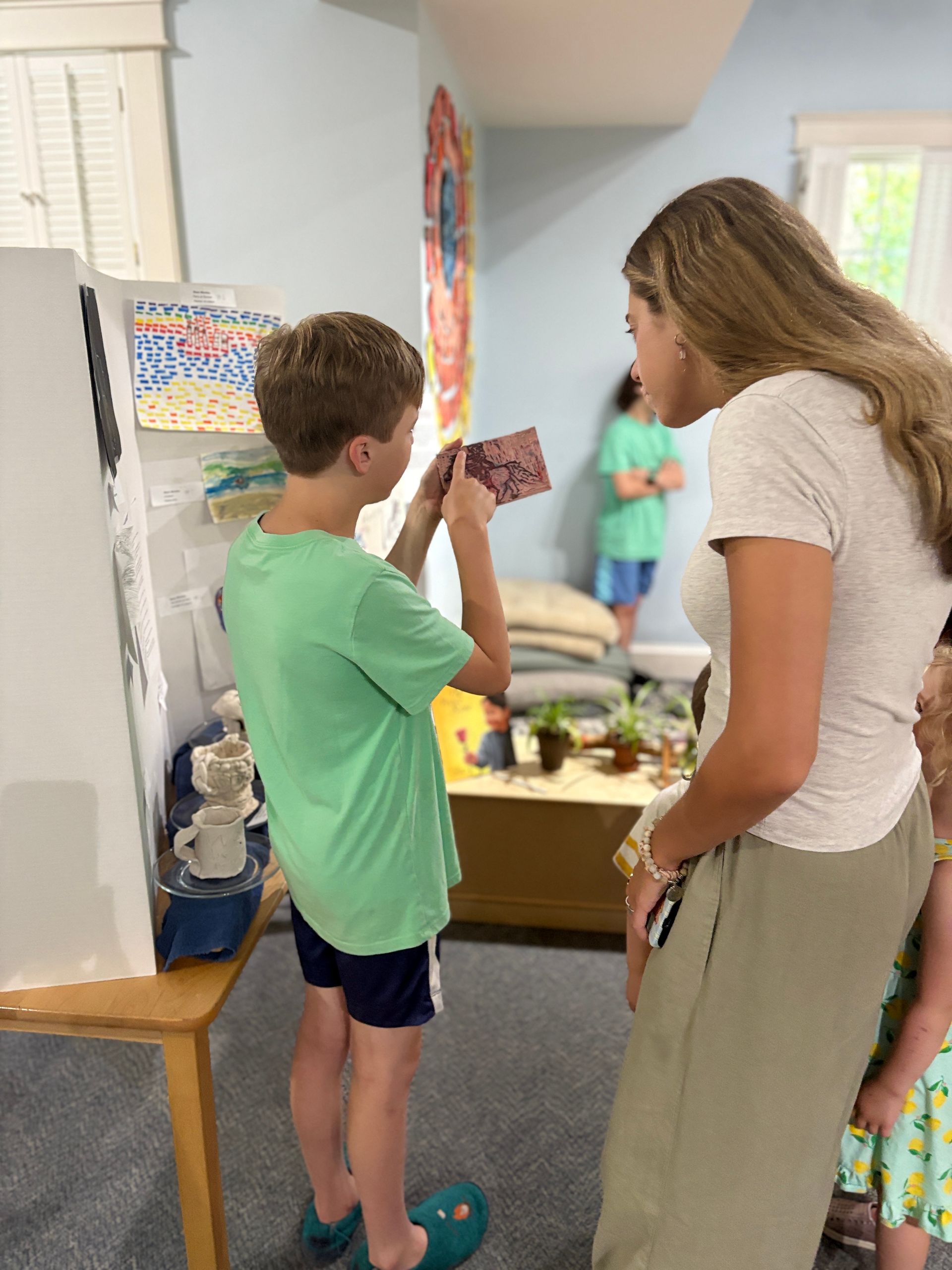
Rather than seeing every child working on the same assignment at the same time, you might see some working independently, others alongside a classmate, and others choosing from hands-on materials that invite them to explore and practice new skills. A teacher may give an individual lesson at one table while a small group works together nearby, and other children focus deeply on their own activities.
A note for the skeptical parent: What can be hard to see on a tour is the depth of what's happening underneath the surface. A child who appears to be "just playing" with materials is often working through a concept (place value, phonics, geometry) using something tangible before moving to abstract thinking. It doesn't look like the school you went to. That's intentional, not accidental.
If Kids Choose Their Work, Do They Just Do Whatever They Want?
Freedom Within Limits
The short answer is no. Montessori is not a free-for-all.
Children have freedom within limits, making meaningful choices within a carefully prepared environment. Teachers observe each child, introduce lessons, guide progress, and establish clear expectations. As a result, children gradually learn to manage their choices.
The word "freedom" in a Montessori context doesn't mean "anything goes." It means children are trusted to make purposeful choices within a prepared structure, and they're taught to do that well.
Choice Comes With Responsibility
Choice also comes with responsibility. Children learn to use materials appropriately, stay focused, care for the classroom, and consider others. As they grow, they take increasing responsibility for their work and role in the community. Montessori isn't handing children freedom. It's teaching them how to use freedom responsibly.
For many parents, this section alone addresses their biggest concern. If your worry is "my kid will just mess around," the answer is that the Montessori environment is designed specifically to prevent that, not through constant adult direction, but through building a child's capacity to self-direct with purpose.
But Are They Actually Learning Reading, Writing, and Math?
Hands-On Learning Builds Toward Abstract Thinking
Yes, and this is one of the main benefits of Montessori education that tends to be hardest to see on a classroom visit.
Children build strong academic foundations in Montessori, but the path looks different from what most parents remember from school. Rather than introducing every concept through a worksheet, Montessori materials allow children to see, touch, move, and explore concepts as they develop an understanding of how they work.
A child may use concrete materials to explore quantity and the decimal system before moving toward abstract mathematical thinking. Early language experiences build vocabulary and phonological awareness through conversation, songs, stories, and read-alouds before moving to reading and writing.
The honest note here: If you walked through the classroom and didn't see anyone sitting quietly doing a math worksheet, that's by design, not because math isn't being taught. The concepts are there. The sequence is there. It just doesn't look like the learning you remember, which is exactly why this is the question we hear most often from skeptical parents.
Academic Rigor Doesn't Have to Look Like Worksheets
Academic rigor can look like a student working deeply on a challenging mathematical problem, writing a research report inspired by a Great Lesson, investigating a genuine question, or applying learning to a real-world project. At Sandwich Montessori School, students connect mathematics, literature, STEM, history, astronomy, and civics. The goal is to understand, think critically, and use knowledge meaningfully, not to perform on a test and move on.
How Does Montessori Prepare My Child for the Real World?
Solving Problems Instead of Waiting for an Adult
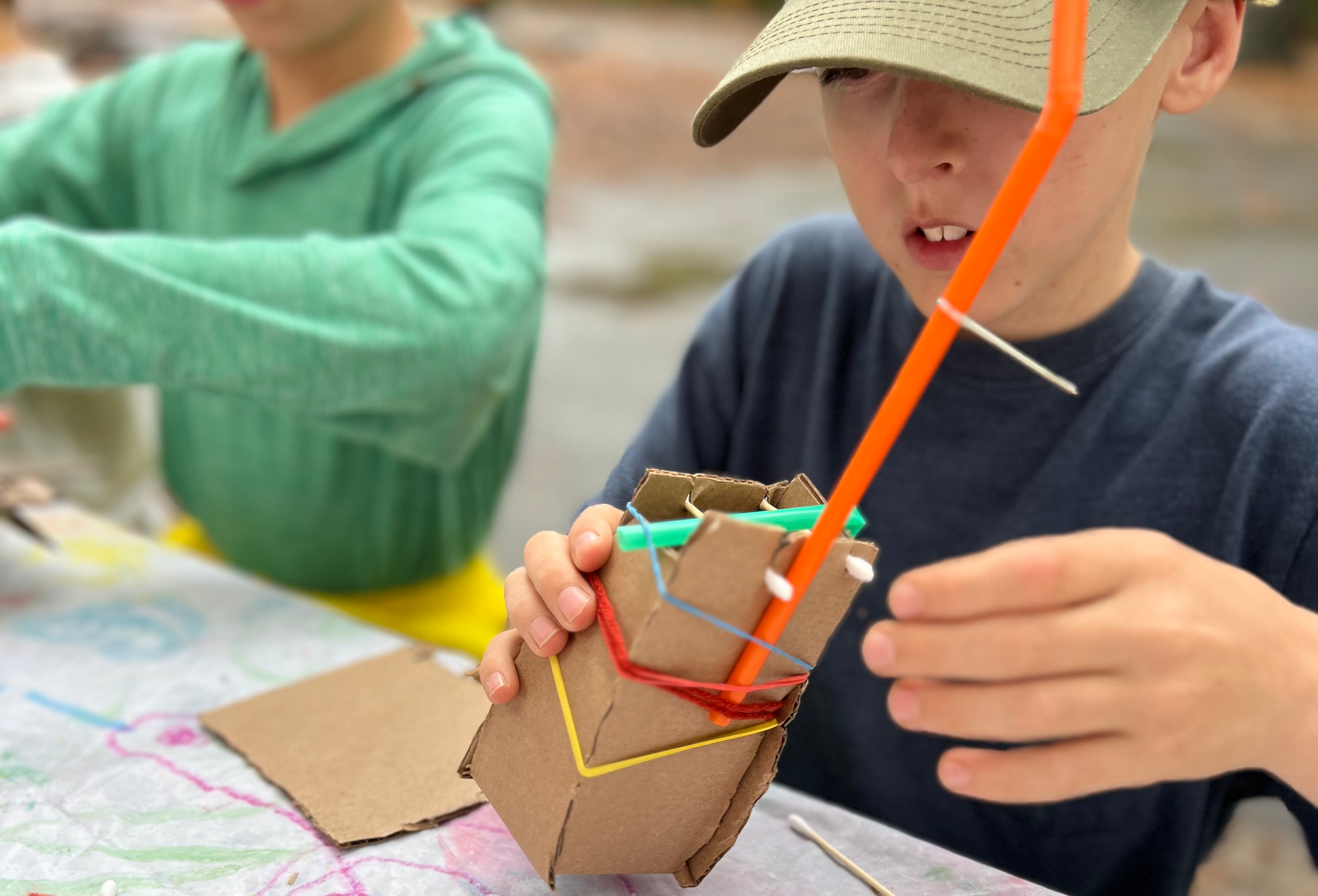
Children encounter problems every day, and one of the core benefits of Montessori education is giving them practice working through those problems rather than having an adult step in immediately. When a material doesn't work, a project needs a different approach, or a child gets stuck, Montessori teachers give children time to think, try another strategy, and ask for help instead of immediately providing the answer. These experiences build something important: I can figure things out.
Managing Time and Responsibilities
Extended work periods help children develop concentration and learn to manage their work, while classroom routines build consistent responsibility. As children grow, they learn to manage longer-term projects, follow through on commitments, and take ownership of their learning. These are skills that translate directly to high school, college, and beyond.
Communicating and Working With Others
Being capable doesn't mean doing everything alone. Children also need to listen, communicate, cooperate, and contribute. In Sandwich Montessori's mixed-age environments, children have daily opportunities to learn from one another, teach one another, and work through social dynamics in a real community context.
Taking Care of Themselves and Their Environment
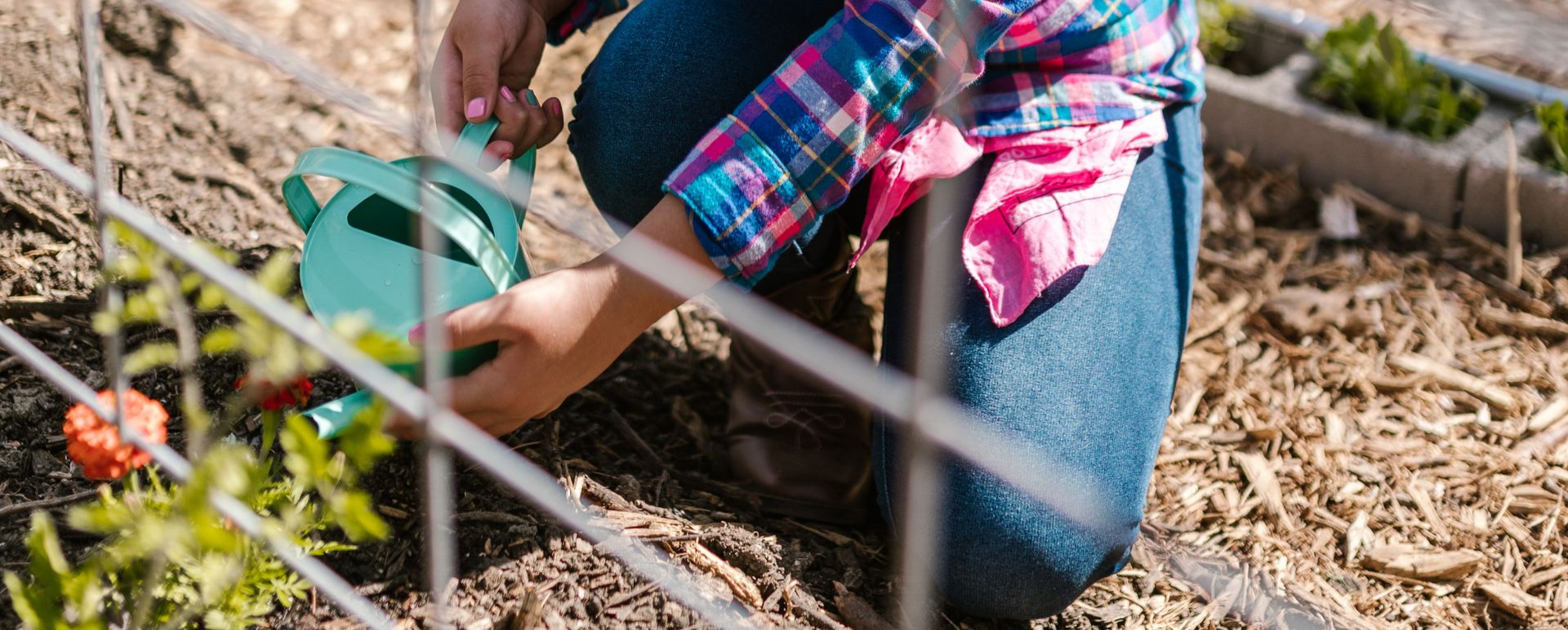
Some important lessons look remarkably ordinary. A toddler washes their hands, puts away their work, waters a plant, or helps clean up after a meal. An older child cares for materials, works in the garden, or helps prepare food. Through these everyday experiences, children learn to care for themselves, their environment, and their community, and those habits tend to carry into family life at home.
What About Discipline?
Montessori Isn't Permissive Parenting or Teaching
If children have freedom and make choices, a reasonable question follows: who is setting the boundaries? This is a fair concern, and it comes up often.
Montessori is not permissive parenting or teaching. A Montessori classroom has routines, expectations, responsibilities, and clear boundaries for how children treat one another and care for their environment. Teachers guide children through those expectations and model respectful behavior consistently.
Natural Consequences, Boundaries, and Respect
Children also experience natural consequences. If a child spills something, they help clean it up. If they leave materials out, they need to put them away. Children learn that their actions affect others and that the community depends on everyone doing their part. Through consistent boundaries and genuine respect for others, children gradually develop self-discipline, which is one of the most lasting benefits of Montessori education.
Will My Child Learn How to Handle Failure?
Adults Don't Immediately Step In and Fix Everything
Every parent has watched their child struggle and felt the instinct to help right away. Sometimes that's exactly what a child needs. But sometimes the most helpful thing an adult can do is pause and let the child try on their own. Montessori teachers observe and guide without automatically solving every problem, giving children room to try another approach or ask for help on their own terms.
Struggle Can Be Part of Learning
Learning something new doesn't always feel easy. Montessori gives children regular opportunities to make mistakes, try again, and work toward mastery. They begin to discover that difficulty doesn't mean "I can't do this." Sometimes it means "I haven't figured it out yet." That shift is what builds resilience, perseverance, and genuine confidence, not the kind that comes from being told "great job," but the kind that comes from actually working through something hard.
Won't My Child Need to Learn to Follow Directions?
Of course they will. Independence in a Montessori classroom does not mean children can ignore directions. Children are part of a community with routines, expectations, responsibilities, and other people to consider. Like in any school, Montessori teachers give clear instructions and help children understand what is expected.
The difference is in the longer-term goal. Montessori isn't simply teaching children to comply with an adult's instructions. It's helping them understand
why expectations exist and how to manage themselves within them. Children learn to listen, respect others' concentration, complete responsibilities, and follow routines with fewer reminders, because they understand why those things matter, not just because they were told to.
Does Montessori Make Parenting Harder at Home?
You Don't Need to Turn Your House into a Montessori Classroom
You don't need to buy special materials or redesign your home. Bringing Montessori principles into family life can be simple. Start by giving your child opportunities to dress themselves, prepare a snack, help with a meal, put away their belongings, clean up a spill, or work through an age-appropriate problem before an adult steps in.
Independence Can Actually Make Family Life Easier
At first, letting children do more for themselves takes patience. It may be faster to do things for them. But when children build those skills, they gain real confidence, and families gain children who increasingly want to participate in daily life rather than be served by it. Many Montessori families describe the shift as one of the more unexpected and welcome changes they notice as the school year progresses.
Do Both of Us Have to Be Completely Sold on Montessori?
Not necessarily. You don't have to walk into your first Montessori tour already understanding or agreeing with every part of the Montessori philosophy. If one partner is excited about Montessori while the other still has questions, that's okay. Asking questions is part of making a good decision for your child.
If you're the parent who isn't quite there yet, the most useful thing you can do is not try to get there through research alone. Reading about Montessori helps, but it's not the same as seeing it. Talking about it helps, but it's not the same as asking a teacher directly.
You can also browse the
Montessori FAQ on our website, or visit the
Choosing a School page for guidance on what to actually look for when comparing your options.
Ask the Questions You Actually Have
Don't worry about learning the terminology before you visit. Ask what your child will actually do, how they will learn, how expectations are handled, and how the school supports independence. There are no wrong questions on a tour, and a school that gets defensive about your questions is a school worth being skeptical of.
Think About the Skills You Want Your Child to Have at 18
Step back from the terminology and think about the bigger picture. Do you want your child to be independent, responsible, curious, confident, able to solve problems, willing to try something difficult, and capable of contributing to their family, school, and community?
Then look at how the school works toward those outcomes. At Sandwich Montessori School, those skills develop gradually: from the toddler caring for their environment, to the elementary student managing a long-term project, to the middle school student taking ownership of meaningful work and exploring genuine interests.
See Montessori in Action Before Deciding
Sometimes the easiest way to answer your questions is to see Montessori for yourself. Watch the children work. Observe how teachers guide rather than constantly direct. See how independence and structure work together in practice. If you're the partner who isn't quite sold yet, that's exactly what the tour is designed for.
The Best Way to Understand Montessori? Come See It For Yourself
Montessori is genuinely difficult to fully understand from a website or article alone, including this one. Seeing the children and the classroom in action makes the principles much easier to evaluate.
If possible, both partners should come for the tour, especially if one of you still has open questions. You don't need to understand Montessori before you walk through the doors of Sandwich Montessori School. That's what the tour is for. Come with your questions. We'd love to answer them.
Ready to see Montessori in action?
Schedule a tour at Sandwich Montessori School and come experience it for yourself.
Frequently Asked Questions
Will my child struggle to transition to a traditional school after Montessori?
This is one of the most common concerns skeptical parents bring to us, and the research consistently shows the opposite. Montessori students tend to transition well because they have developed strong executive functioning skills: the ability to focus, manage time, regulate emotions, and work independently. These skills serve them in any environment. Many Sandwich Montessori graduates go on to excel in leading private and public high schools. The foundational skills they build here transfer.
Is Montessori too unstructured for kids who need more routine or have learning differences?
Montessori is actually highly structured; the structure just doesn't look the way most people expect it to. The classroom environment is carefully prepared, expectations are consistent, and routines are clear. For children who learn differently, including those with ADHD or sensory needs, Montessori's individualized approach can be a significant advantage. Rather than asking every child to learn at the same pace in the same way, Montessori meets children where they are and moves forward from there.
What if one parent understands Montessori and the other doesn't? Can that cause conflict at home?
It can create friction if one partner feels unheard or pressured. The most useful thing the enthusiastic parent can do is share information and invite conversation rather than make the decision feel one-sided. This article is written for exactly that situation. Coming to a school tour together, asking questions directly to teachers, and seeing the environment firsthand tends to do more than any amount of explaining at home. Most skeptical parents leave our tours with significantly fewer concerns than they arrived with.
At what age should a child start Montessori to get the most benefit?
The earlier a child begins, the more they experience the full three-year cycle of each developmental stage, which is where a lot of the deepest benefits take root. That said, children can join Montessori at any age and benefit meaningfully. If your child is already school-age, it is absolutely not too late. Teachers are experienced at welcoming students who are new to the Montessori approach and helping them settle in.
How do I know if Sandwich Montessori is the right school for my child specifically?
The honest answer is that you probably won't know from a website. The school tour is genuinely the most useful tool for making that decision. You'll see the environment, meet the teachers, ask your specific questions, and get a feel for whether this is a community your family would fit into. We also encourage parents to read our testimonials from current and former families. Hearing from parents who had the same questions you have is often the most convincing thing of all.