Kindergarten: The Icing On the Cake
Kindergarten: The Icing On the Cake
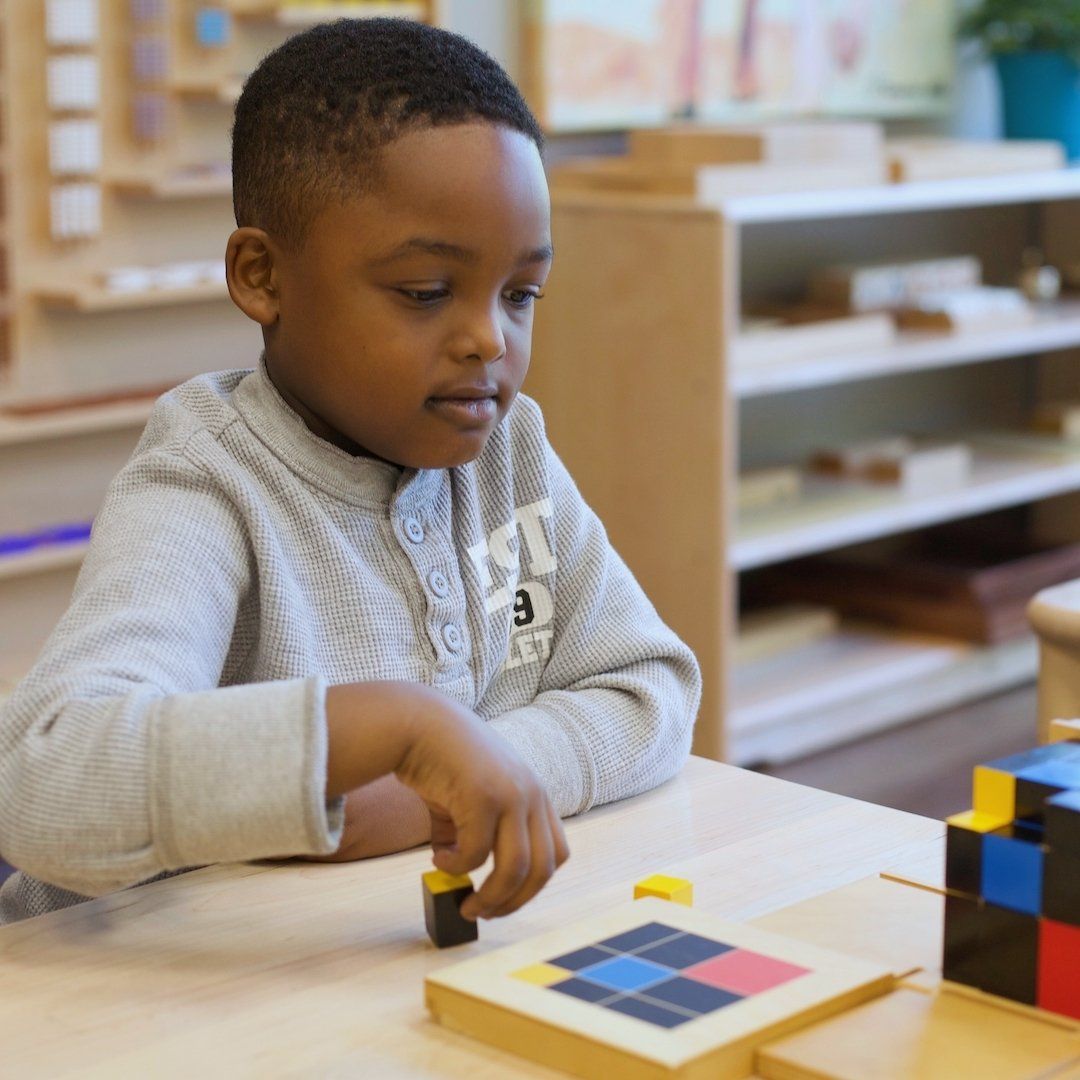
This post is for the primary families (although the families of older students who read it will readily agree and support the points below - ask them when you have a chance!). Some of you were originally drawn to Montessori because you’ve read about how different and special the approach is. Some of you were looking for a high-quality daycare or preschool and stumbled upon us.
There are a plethora of reasons families choose to send their children to Montessori schools. The vast majority of those families are thrilled with their decision once they see how their child is nurtured, encouraged, and celebrated in our environments.
Something interesting tends to happen sometime around when the child approaches kindergarten and first grade.
Families feel the pull of traditional schooling. They begin to worry that the differences that make Montessori so wonderful just won’t cut it when it comes to preparing their older child for life. They may have excellent public school options available to them.
It can be hard to go against what you did as a child, or what your family or friends are doing for their children. And we fully recognize that the decision is incredibly personal.
What we can tell you is that many families who choose to leave Montessori before their child enters kindergarten end up returning.
We can also tell you the three-year cycles in our environments are intentional, and there are some great reasons to give your child the gift of that third year.
Feeling on the fence? Hopefully we can help clarify some of the reasons we think kids do best when they have the opportunity to complete their primary cycle.
Mastery of Skills
The third year in a primary classroom is a chance for students to really shine academically. Everything they have been working on comes full circle and their understanding of concepts solidifies in a way it couldn’t have until now.
Much of what we teach in the earlier years of our primary environments is indirect and direct preparation for the lessons our third years receive and the materials they work with.
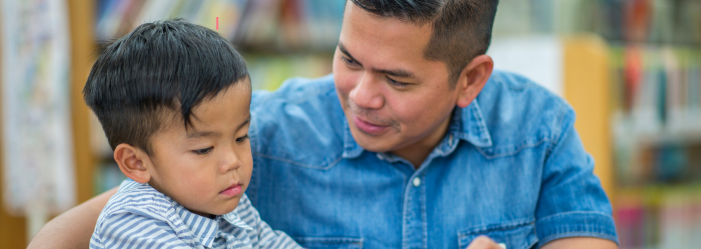
Not only are our kindergarten children understanding concepts in new ways, but they can actually demonstrate this knowledge. Educators from all backgrounds will agree that when a person is able to teach someone a skill, they have themselves demonstrated mastery of the skill. Our classrooms are designed so that older students help to teach younger ones. This teaching serves multiple purposes, one of which is to demonstrate their own understanding.
One of the many benefits of the multi-age classroom, our kindergarteners really enjoy taking on the role of giving lessons to their younger peers.
Opportunities for Leadership
Teaching lessons to younger children isn’t just about academic mastery; it’s also a chance for kids to experience leadership.
We believe that solid leadership isn’t really about power. It’s about allowing those with experience to take on a role of guiding others with less experience. So much of this type of leadership is done by modeling, and our kindergartners serve as the very best models for our younger students.
When your child first entered the classroom, they went through a period in which they needed to figure out expectations, routines, and so much more. Children need to learn how to be independent, how to interact with one another and adults, how to care for the environment, and so on. As adults who guide the children, we model and verbalize what children need to learn, but we are wise enough to recognize that they learn more from watching their peers.
Older children relish in this opportunity. It feels good to know that you are helping someone else. It feels good to acknowledge how far you have come, and how you are now able to guide others along their own path. Our third years know about this role because we discuss it with them often. By the time they step into it, they are more than prepared.
Continued Respect for Individuality
You already know that Montessori schools respect each child’s individual path, and that we believe even young people deserve to be treated with dignity. There are many ways in which we differ from conventional institutions, but some that we think are important to highlight are:
- Allowing the child to use the restroom when they need to, without having to ask permission from an adult
- Encouraging children to eat a snack when they are hungry and drink when they feel thirsty
- Creating a structure that allows children to take breaks when they need to, and to focus deeply on their work for long periods of time without being interrupted
- Giving children academic choice within limits (they may be required to complete certain tasks, but it’s okay if they choose the order in which the tasks are done)
- Creating flexible seating choices so that children have options to sit alone or with friends, in a chair or on the floor
Advanced Academic Expectations
Parents in our community often recognize that our curriculum tends to exceed the scope of what is taught elsewhere. We do not push children to learn what is beyond their capabilities, we just know that children are capable of more than most people realize. When given the opportunity, they can amaze us all.
We honor the fact that every single child develops at their own rate, and there is no set time for various skills to be mastered. It is not uncommon, however, for Montessori students to:
- Be reading before they enter kindergarten
- Be working with numbers into the thousands at age four
- Have an understanding of basic grammatical principles at age five
- Engage with basic geometry concepts not typically introduced until years later
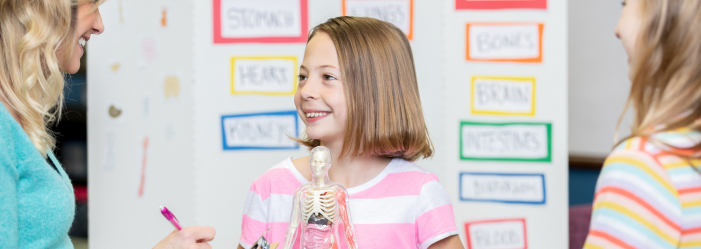
- Enjoy skills and content taught in the areas of biology and geography beginning at age three
- Learn cursive handwriting before entering elementary school
- Begin adding large numbers and have a basic understanding of exchanging for tens
Deep-Dives Into Areas of Personal Interest
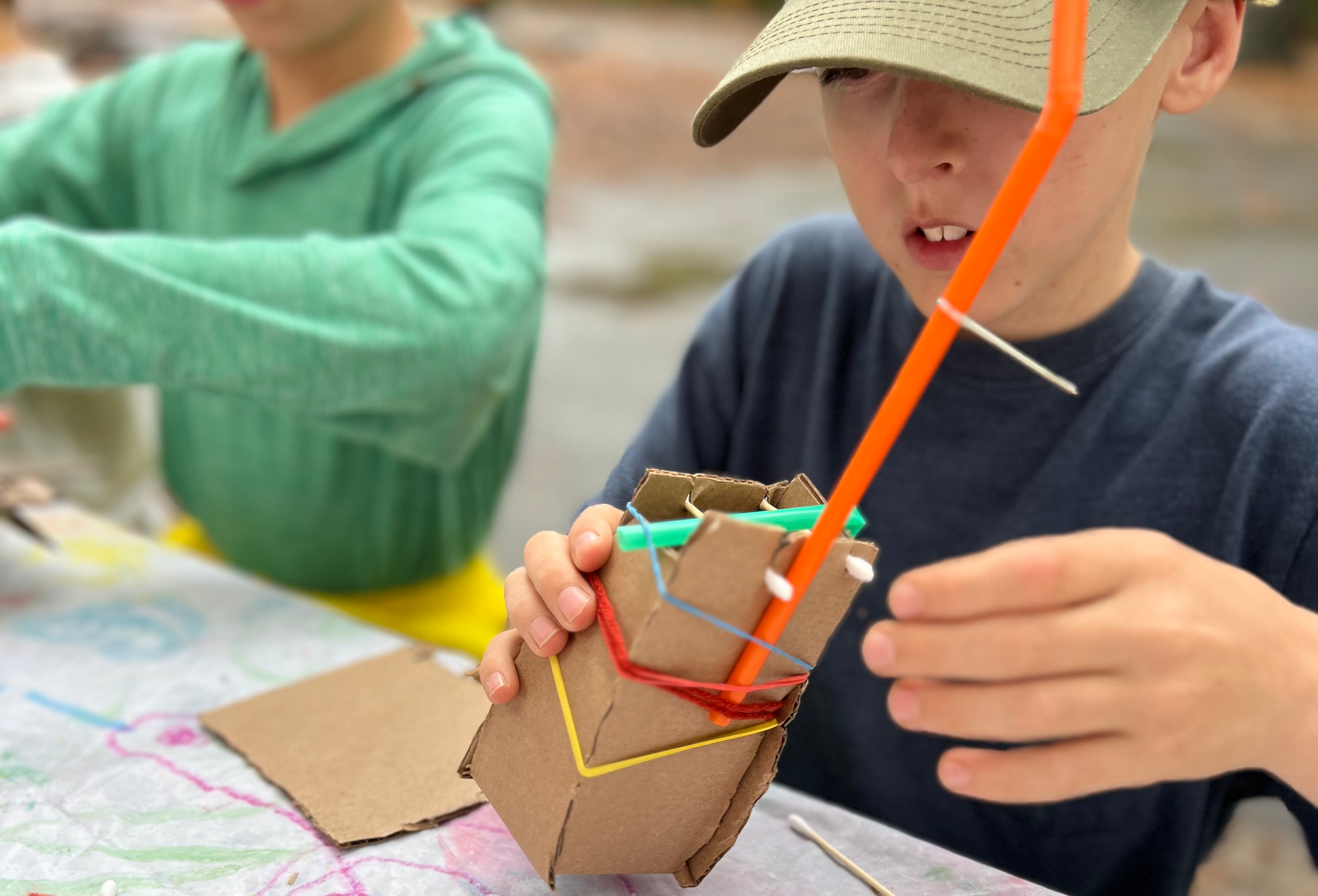
One of the best parts of being in a Montessori classroom is being allowed the time to explore one’s own interests. Because of the flexible nature of the day, kids can practice various skills while learning about what creates a spark for them.
Are they into dinosaurs? We provide books, paper, and art supplies for them to write about and draw diagrams of these ancient creatures.
Are they proud of their family’s culture and heritage? We make space for children and families to give presentations and share their traditions.
Do they dream about being a vet as an adult? Older children may be given more responsibilities to care for class pets, and they often find creative ways to connect the zoology curriculum to the animals they know and love in real life.
In a Montessori classroom, the possibilities really are endless. The experience is unlike anything that can be found in other educational settings, and each year we can give our children a Montessori education is a gift.
Still have questions? Want to connect with parents of older children at the school to ask questions? Please don’t hesitate to reach out and let us know how we can support you and your child.