Our Gifts to Children
The brain of a young child works differently than the brain of an adult. Sensorial experiences shape children’s brains, forming neurological webs that last throughout their life.
The fact that our interactions with young people help shape their future selves opens up an incredible opportunity. Each experience can be a gift. Often the simplest moments can carry the most meaning.
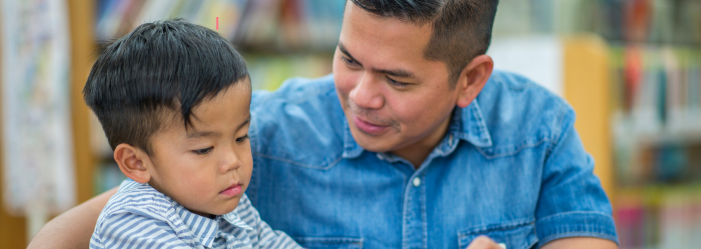
During the rush of this season, we have the opportunity to slow down and really be present with the young children in our lives. By being open to the wonder and delight our children experience, we gain new perspective while also giving the best gift of all: our total attention.
This may mean taking a deep breath and momentarily turning off the chatter of the to-do list, squatting down to a child’s eye level, smiling, and just listening or seeing what they want to share. A helpful holiday mantra can be: Talk less. Listen more.
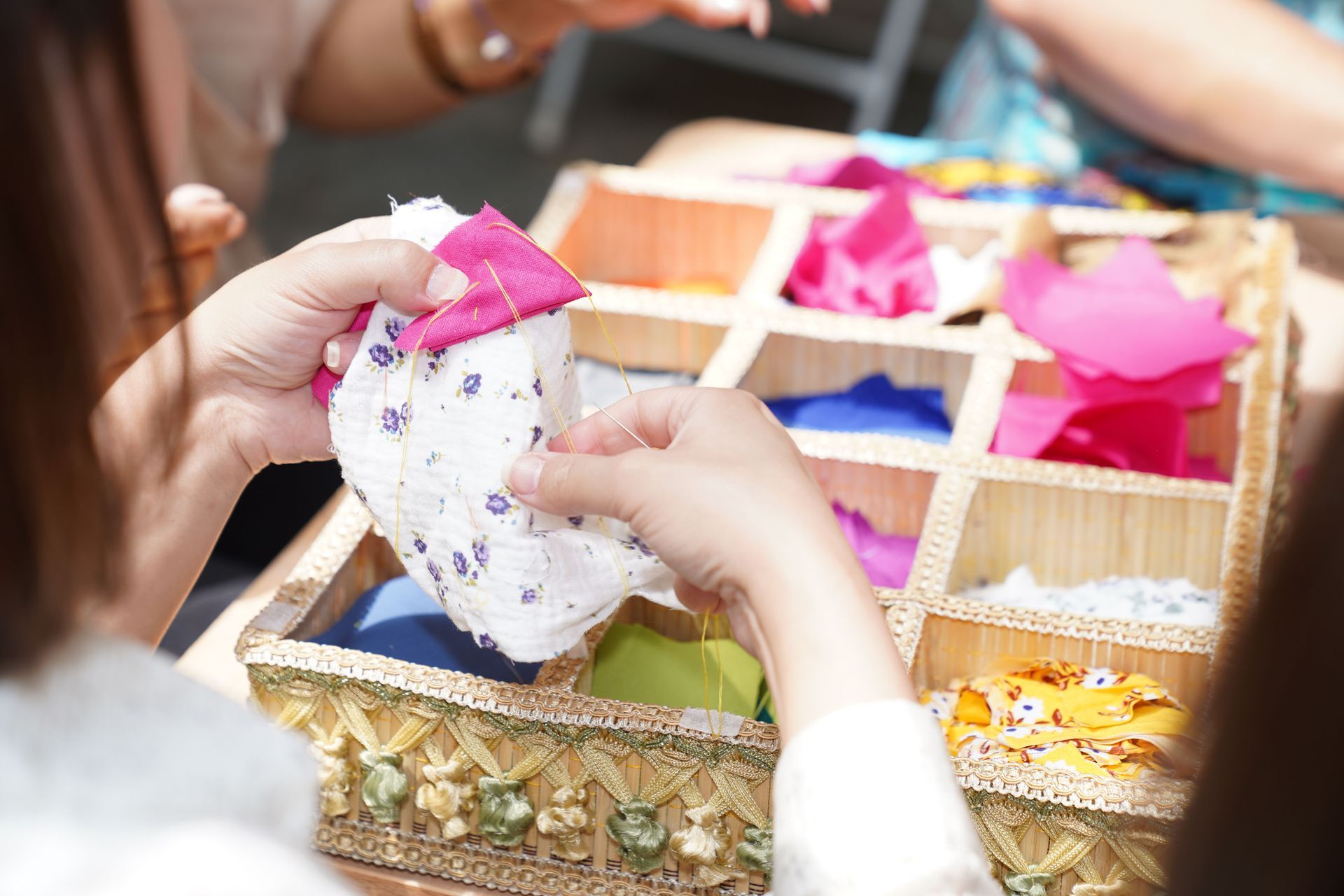
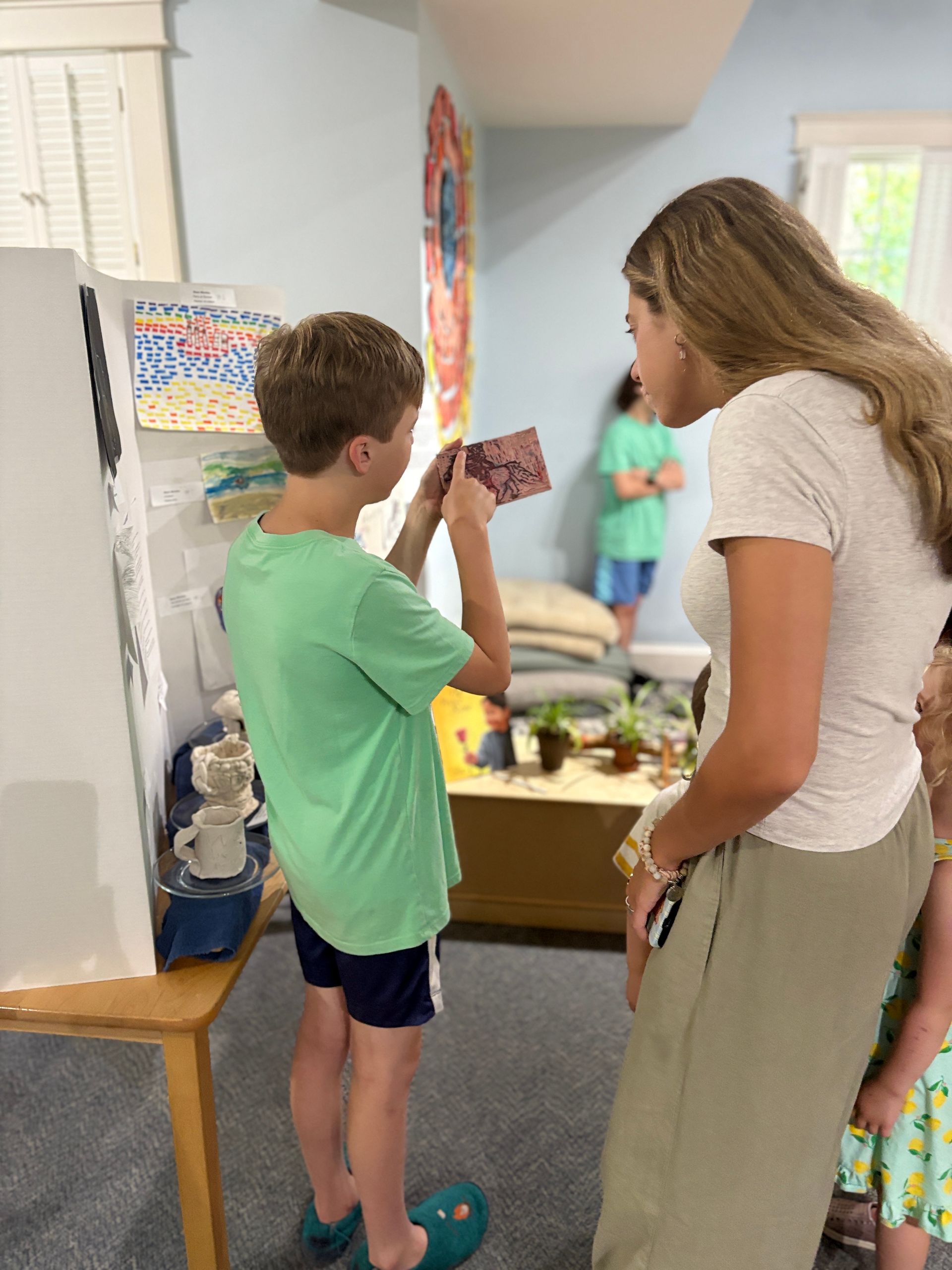
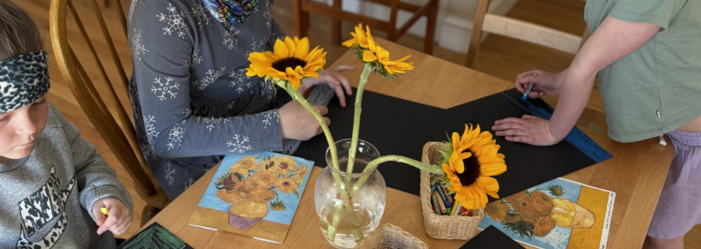
In addition to giving our full attention, whether for 20 seconds or 20 minutes, we can also offer to teach a young person a new skill. The key to these teaching moments is to focus on each distinct step so the skill is simple and attainable. Even very young children can be involved with tasks like setting the table, wrapping gifts, and tending to simple household maintenance. They appreciate being involved with routine activities and they want to contribute in a meaningful way.
Dr. Jane Healy, author of numerous books, including Your Child’s Growing Mind, reminds us that children need the opportunity to repeatedly practice activities that seem second nature to adults: “Self-help skills and household jobs are very important for the child to master–help your child, but encourage him to do it himself even if the job isn’t done exactly your way!”
When encouraging or supporting a child in trying a new skill or participating in a new task, be sure to take the child’s perspective into account. Showing how to do something is often the most effective and verbalized instructions can be kept to a minimum. In fact, it is best to not talk while showing something and to not show something while talking! This allows the child to focus on absorbing one kind of sensory input, thus keeping the information clear in their mind.
These kinds of ordered and clear experiences are key to a child’s development. “Impressions do not merely enter his mind; they form it,” explained Dr. Maria Montessori a physician turned educator who spent intensive time observing children, making scientific notes, and thus coming to an enlightened understanding of childhood development.
Dr. Montessori observed how children respond positively to organization, both in terms of expected routines and physical space. Current research, such as that comparing the HOME inventory (Home Observation for Measurement of the Environment) to longitudinal information collected in the Bayley Mental Development Inventory, shows that organized environments lead to higher intelligence scores.*
We all know that the holiday season throws our routines and even our physical settings a bit askew. With this in mind, children benefit greatly from adults in their lives maintaining a calm sense of order during this busy time.
In order to create a calm, ordered environment, we ourselves need to have balance and clarity in our own lives! Staying present in the moment, breathing deeply, and ultimately taking care of our own needs allows us to offer our best selves to the children around us.
What we offer to our children, in terms of our presence, special activities, or toys, can provide opportunities to aid their development. During this time of gift-giving, for example, we can provide objects that have an intelligent purpose and help children contribute in a meaningful way to the order around them. Child-sized, yet real, items are particularly valuable: cooking tools, building tools, yard tools, and even mops and brooms.
Children don’t stay young for long, and the early years are extremely formative. In her book, Understanding the Human Being: The Importance of the First Three Years of Life, Silvana Quattrocchi Montanaro explains the significance of a young child’s experiences: “Everything that comes from the environment is received, processed and stored in the brain cells with no effort using a form of unconscious absorption. This intense mental activity is always going on, even in prenatal life, and it characterizes ‘the absorbent mind’.”
For those interested in learning more about optimal environments for these “absorbent minds,” schedule a visit to our school. We can share more about setting up home environments that best support child development and show how our learning environments are specifically designed for neurological growth.
Knowing that the young children around us are absorbing everything about their surroundings, this season let’s give them our attention, meaningful ways to contribute to daily tasks, and a calm, ordered environment. As a result, we’re helping some remarkable young people as they develop into capable, caring young adults.
*For more information on this research, check out the book,
Montessori: The Science Behind the Genius
by Angeline Stoll Lillard.