Symbiosis: The Newborn’s First Months
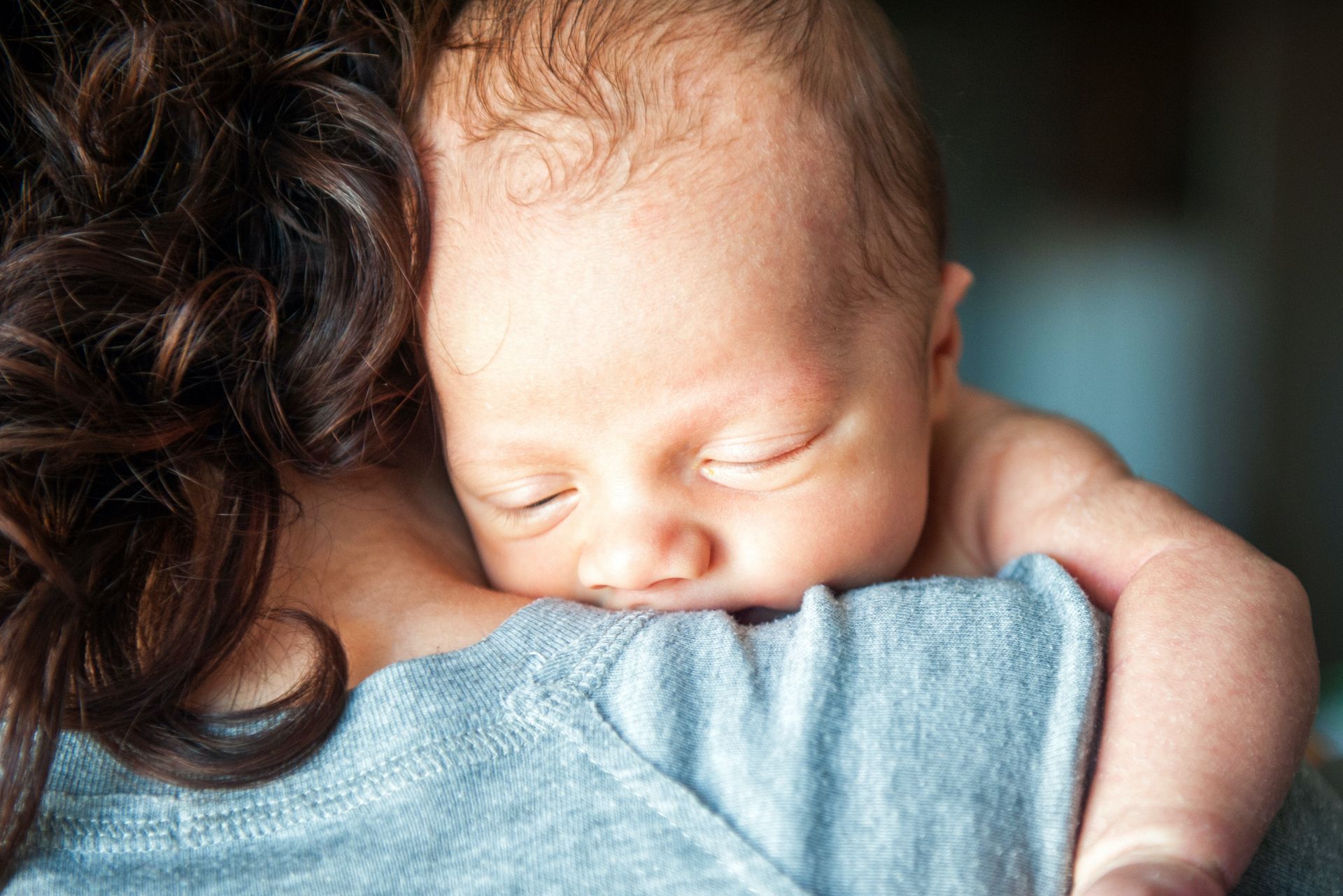
Those first moments after giving birth are some of the most precious. Newborn and mother come together for the first time as separate beings. This relationship is so intimate and incredibly unique because of the symbiotic link between the birth mother and her newborn child.
The word symbiosis comes from the Ancient Greek “σύν” which means "together" and “βίωσις” which means “living.” As a biological term, symbiosis means the union of two different organisms based on mutual benefit. The mother and the newborn both need each other. Their lives are intertwined.
Mutual Benefits
We generally recognize how a newborn is dependent upon their mother. Because of the increased size of their brains, human infants are born before their gestation is complete. Often called the “fourth trimester,” the first three months is a time when babies are still developing dramatically outside of the womb.
A mother’s dependence upon a newborn is perhaps not as obvious. Yet after birth, a mother needs contact with the newborn for her own body to complete the birth process. Immediate breastfeeding stimulates the secretion of oxytocin which helps the mother’s uterus contract, thereby helping the placenta detach and eventually helping the uterus return to normal size. Breastfeeding also reduces the risk of maternal hemorrhage. In addition to the release of oxytocin, breastfeeding induces the pituitary gland to release prolactin. This hormone is not only responsible for lactation but also contributes to hundreds of other bodily processes.
The mother also needs contact with her baby for bonding and her own emotional stability. A process of attachment develops from this contact. The process of birth has been trying for the mother and infant and both need reassurance. Through the closeness of cradling and caressing, the mother and newborn experience mutual benefits.
In addition, the newborn relies on their mother for points of reference to help them adapt to an otherwise unfamiliar environment. When held close, the newborn can hear the mother’s heartbeat and can hear the mother’s voice. Maternal warmth and closeness allow the newborn to feel secure.
Needs of the Newborn
This is a critical time for the mother to establish a bond with her child. And in doing so, she establishes the future relationship between her child and the environment. When a baby can relate to familiar points of reference, they feel secure and their energy can go into their growth and development.
The newborn has five basic and immediate needs:
- direct contact with the mother,
- adherence to biological rhythms,
- temporal, physical, and social order,
- space for unhindered vision and movement, and
- opportunities to explore with all the senses.
The newborn is reliant on the mother (and any other family members) to meet these needs so as to develop into a healthy human being.
During the first six to eight weeks of life–the symbiotic period–there are three aspects of the mother-child relationship that provide opportunities to meet these basic needs: holding, handling, and feeding.
Holding
Holding, with skin-to-skin physical contact between the mother and newborn, is ideal immediately after birth. Being held during the weeks after birth continues to be important for the child’s feeling of acceptance and assurance.
The infant should feel physically secure when held. Ultimately, though, emotional communication when being held is most important for the infant. They need to feel love and acceptance transmitted through touch, which thus provides a sense of trust.
Handling
In addition, the infant needs their mother and caregivers to handle them lovingly while dressing, changing, bathing, and otherwise caring for them. During these times of “handling” when a caregiver uses their hands to care for an infant, it is important for the caregiver to make a meaningful connection. By collaborating and communicating with the infant, caregivers establish yet another form of trust and ultimately social security.
In providing these caregiving routines, it is critical to establish a predictable pattern while also respecting the infant’s biological rhythms. The newborn is trying to adjust to day and night while also establishing a sleeping schedule that meets their needs. Having an order to the daily activities is essential for providing a frame of reference. For example, it is best to have one parent give the baby a bath at the same time each day, such as before bedtime. This process of establishing meeting points provides a sense of predictability and thus security for the child. These daily activities should also include time for the child to move on their own and experience appropriate sensory richness in the environment.
Feeding
Through feeding, the mother and infant develop a powerful sense of togetherness and direct union, thus establishing physical and psychological unity. With this in mind, how breastfeeding happens is significant. Even though a baby needs support in coming to the breast, they should be allowed the freedom to choose when to suckle. This establishes a fundamental basis for their relationship with food. Food can always be offered with love and placed before someone, yet not inside, a person. This establishes healthy boundaries.
Eventually, the mother and infant will be in communication about feeding so that the mother will recognize the child’s signs of hunger and the child will feel secure in their ability to have their needs met. This relationship around feeding forms the basis for the child’s understanding not only of how food is nourishment but also how to relate to others. It also helps when the mother can give her total attention to her nursing infant.
Key Experiences
Through these key experiences of holding, handling, and feeding, the infant forms a fundamental understanding of their environment. With positive experiences during the symbiotic period, the child develops a trust that their needs will be met. They experience how their environment is a place in which they feel safe. This eventually leads to being able to confront new situations with assurance.
The symbiotic period is an important foundational time for the mother and child. The collaborative experience provides mother and child with the physical, psychological, and emotional basis for the next stages. After the six to eight weeks of the symbiotic period, the newborn should have a basic understanding that the external world will be responsive to their needs. The mother will feel secure in this new relationship with her child. Mutual needs and close connections lay the foundation for all the wonderful development to come!
Curious to learn more? Be sure to check out Understanding the Human Being: The Importance of the First Three Years of Life by Silvana Quatrocchi Montanaro. Another informative resource is Touching: The Human Significance of the Skin by Ashley Montagu.