Why Do Families Make the Switch?
Why Do Families Make the Switch?
There are many different reasons why families choose Montessori for their child. Some enroll when their child is young and stay the course. Others discover it a bit later on. Others, still, leave their Montessori school and end up returning a year or two later.
Why do parents gravitate toward this unique method of education? Here are a few of the main reasons we have seen frequently in recent years.
They’re Wary of High-Stakes Testing
Many educators like to think of the field as a pendulum that swings back and forth over the decades. Sometimes regulations and trends tend toward restrictive measures, while other times everything is more flexible.
Right now in the public sector, the focus is on standardization and testing. The results of high-stakes tests given to students can affect school funding, oversight, and the way teachers are made to educate their students. As for the children, they feel the pressure of these tests, and this often gets in the way of joyful learning.
When we hear about teachers feeling forced to “teach to the test”, it’s not a myth. This might not happen everywhere, but it absolutely happens. Many parents, understandably, want a different experience for their children.
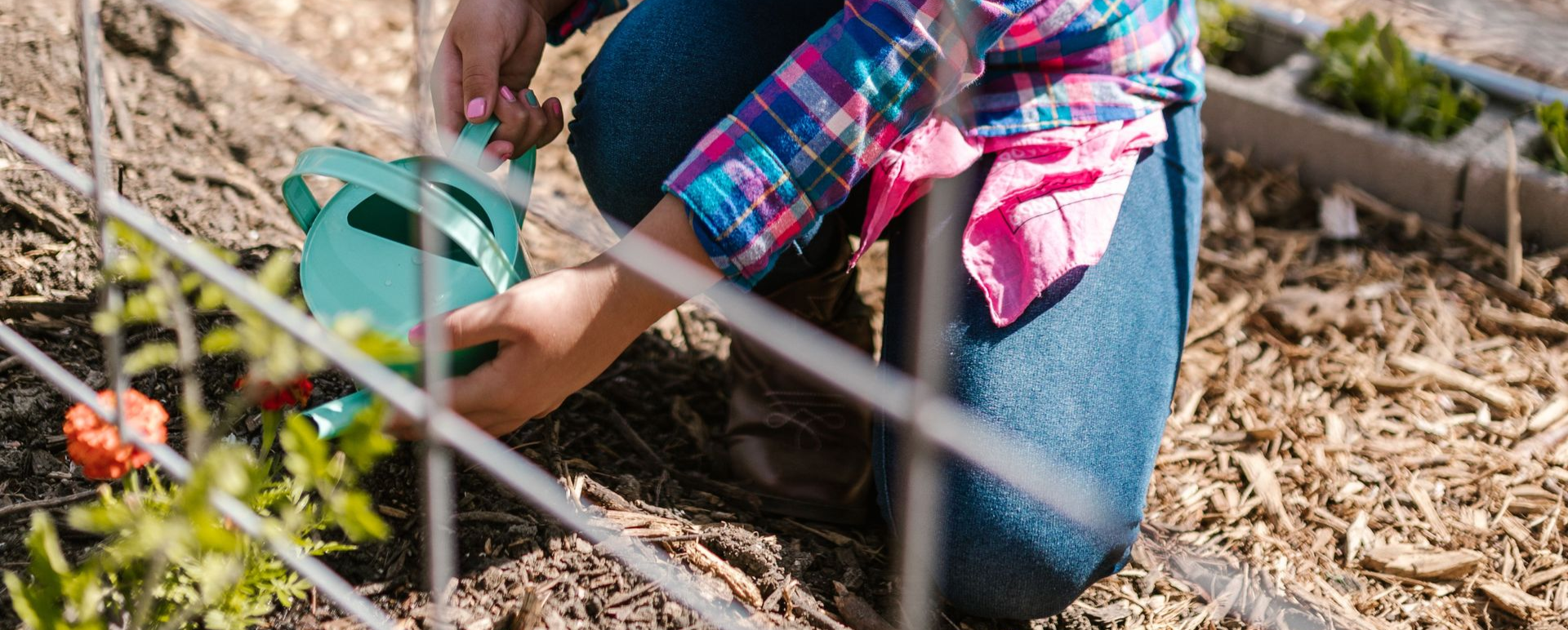
They Value Recess and the Outdoors
With the abovementioned emphasis on standards and pressures of state oversight, certain elements of the school day have fallen to the wayside in some places. It is not uncommon in recent years for a school to discontinue programs in the arts, or to drastically reduce the amount of time dedicated to children’s time outdoors. Many kids have a shocking fifteen minutes of recess time each day.
Research has shown that frequent breaks and adequate access to outdoor green spaces dramatically increases children’s ability to concentrate and engage deeply with their work. Private Montessori schools aren’t typically bound to the same pressures as public schools, so we are able to continue offering our students opportunities we know are best for their development.
They’re Looking for a Different Social Environment
“Social Emotional Learning” has - shockingly - become a negative concept in some areas, with districts outright banning even the mention of this type of work.
To us, learning shouldn’t just be about math and reading. Academics are absolutely important, but so is learning how to be a kind and empathetic human being. Montessori schools are able to take time out of the day to teach in the moment when conflict occurs, as well as include regular, planned lessons that teach children how to care for their emotions and interact with their peers in a healthy manner.
A big part of being successful involves how you interact with others. Our children will grow up to work with people at their jobs, in their communities, and even in their personal relationships. It takes a lot of practice to build the skills needed to handle various relationships in a manner that serves everyone involved.
The elementary years, in particular, can be a tumultuous time for some kids; they gravitate toward their peers, but they don’t always know how to manage conflict. That’s where we come in. We read stories, use role-playing strategies, and teach conflict resolution skills so that our students have all the tools they need to use when something comes up on the playground or in the classroom.
They Want Their Child to Love Learning
School shouldn’t be a necessary evil. It shouldn’t be something children have to endure. It should be a place where adults help children cultivate a deep and passionate joy for learning about the world around them. Children should be encouraged, inspired, and celebrated as they learn at their own pace.
Montessori schools aren’t about forcing children to memorize facts. We want them to feel in awe of the world around them and have the skills to search out information they need or want. We teach the basics in fun ways that kids can’t resist, and we give them a wide variety of science, history, and geographical information. Montessori schools honor the fact that as human beings, we have unique talents and interests, and we make time for each of our students to further explore areas they are drawn to.
The Traditional Classroom Structure Isn’t Working for Their Child
Although many schools are beginning to change, there is still a long way to go. Sitting in rows of desks and listening to a teacher lecture the whole group at a single pace isn’t a model that works for most kids.
Kids need to be able to move around. They need to be able to get help when they’re struggling, and zip ahead when they need more challenges. Education should never be a one-size-fits-all approach, because in reality, one-size fits very few.
In Montessori environments, children are free to sit where they like. This may be at a table, on the floor, by themselves, or with a group of others. Their needs may change from one minute to the next, and that’s perfectly okay.
We believe children - even very young children - should have autonomy over their own bodies and basic needs. If they’re hungry, they should have a snack without having to wait another hour for the scheduled lunch time. If they’re thirsty, they should be able to get themselves a cup and some water. If they need to use the toilet, they shouldn’t need the permission of an adult. We believe there are ways to create structures that allow for children to attend to these basic needs independently and safely. We don’t feel the need to exercise control over these types of things.
Are there other reasons families choose Montessori? Absolutely. These are just a handful of what we hear from parents. If you’re considering Montessori for your child, we encourage you to come to our school and take a look. We would be happy to give you a tour, set you up with a classroom observation session, or meet to discuss your situation and answer any questions you may have.
Choosing a path for your child’s education is deeply personal. Know that we are here to support your family.